Wing Foil Harnesses: Chest or Waist?
Chest Harness vs. Waist Harness, Which One Is Right for You?
Ride Engine has been involved in wing foiling innovation since the early days of the sport. Harnesses have become essential tools for improving efficiency, conserving energy, and extending your sessions on the water. But not all harnesses are created equal, and choosing between a chest harness and a waist harness depends on your riding style, local conditions, and how you like to connect with your wing.
Here is a breakdown of the key differences and advantages of both styles to help you decide which option suits your riding best.

Chest Harness: Higher Connection, More Versatility
What is it?
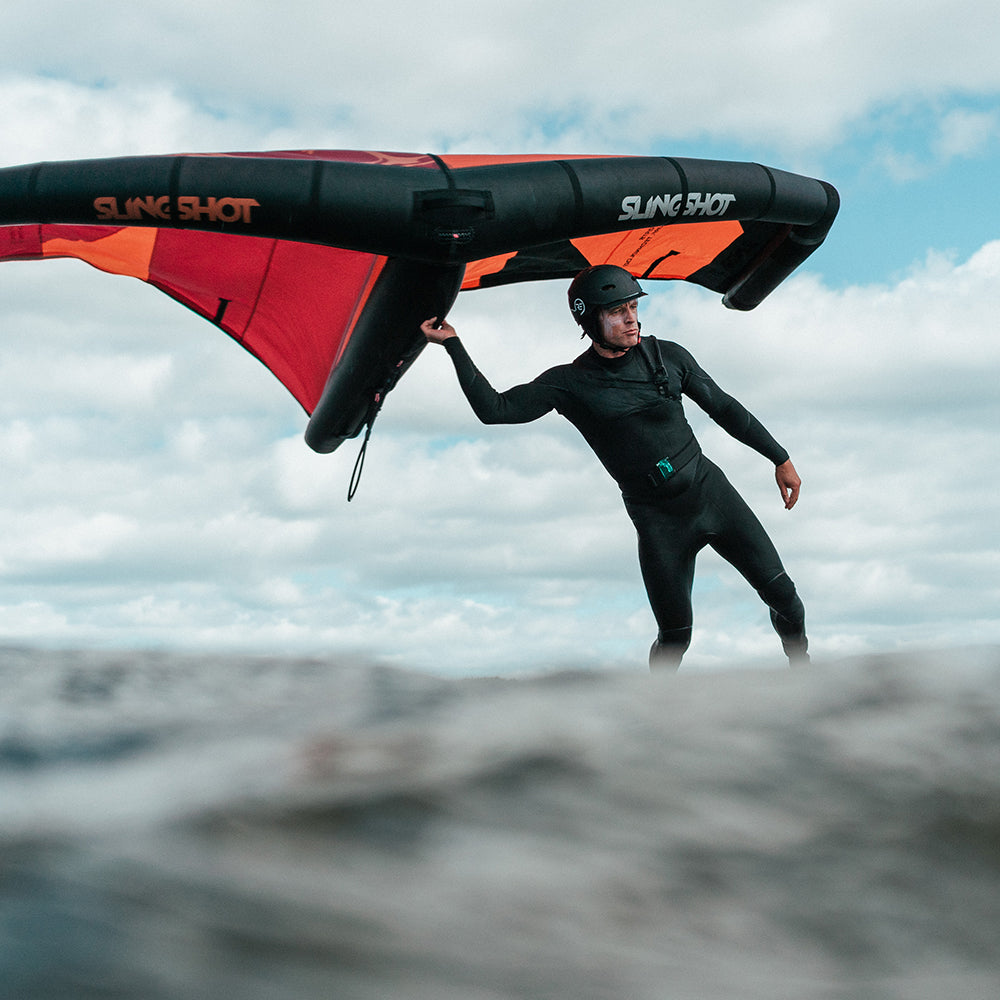
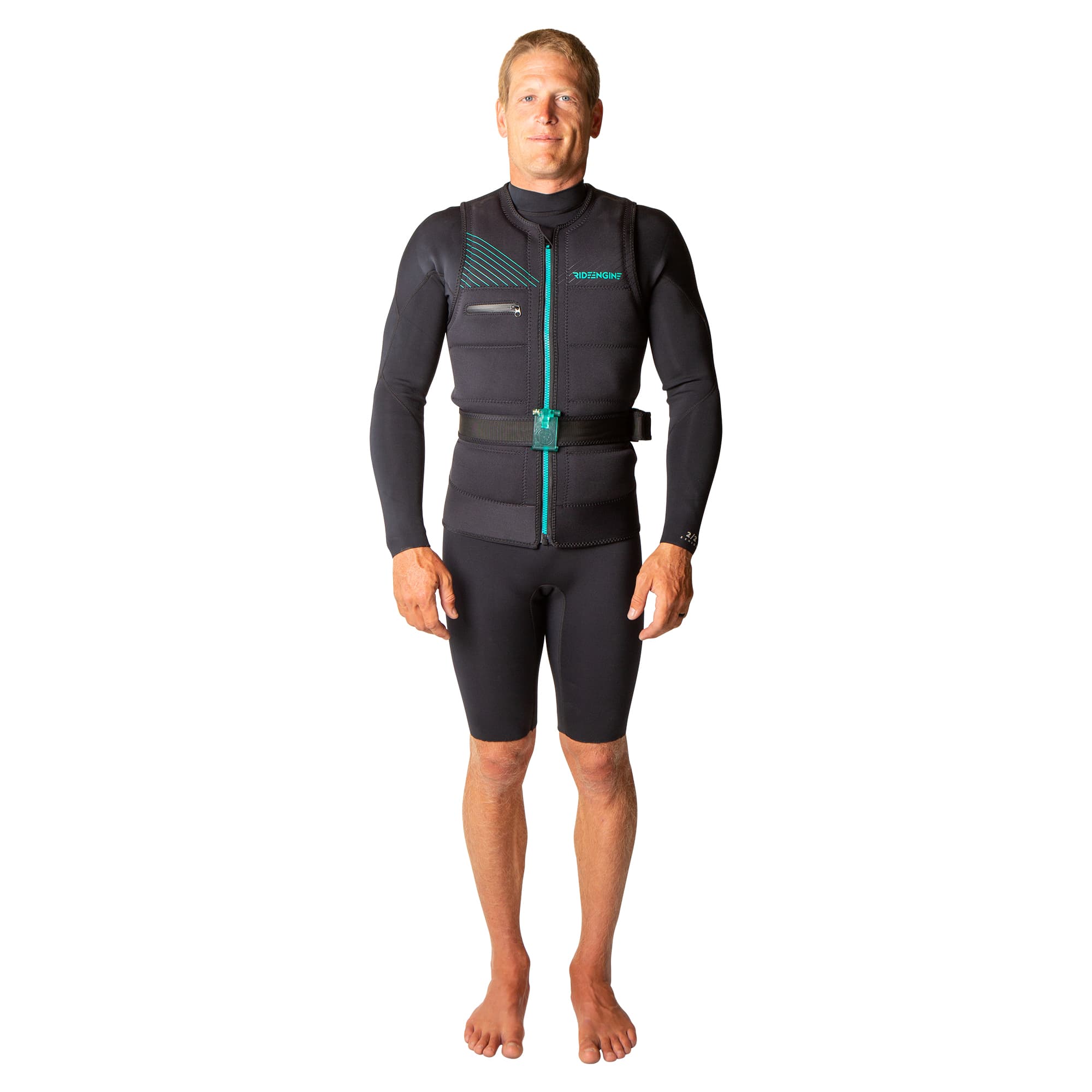
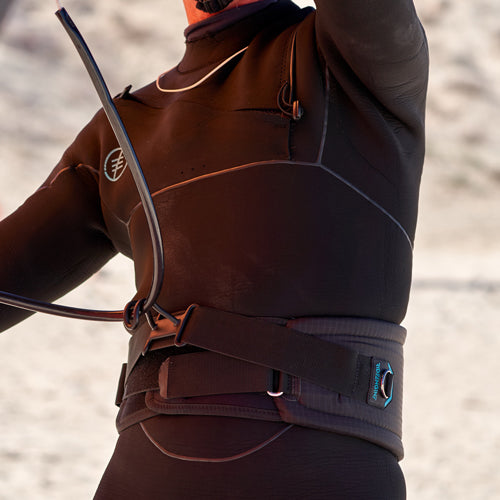
A chest harness sits higher on the torso, more across the sternum or upper ribs. Inspired by chest windsurfing harnesses, this design allows for more versatility in wing foiling and beyond.
Advantages of a Chest Harness
Hassle-Free Interaction
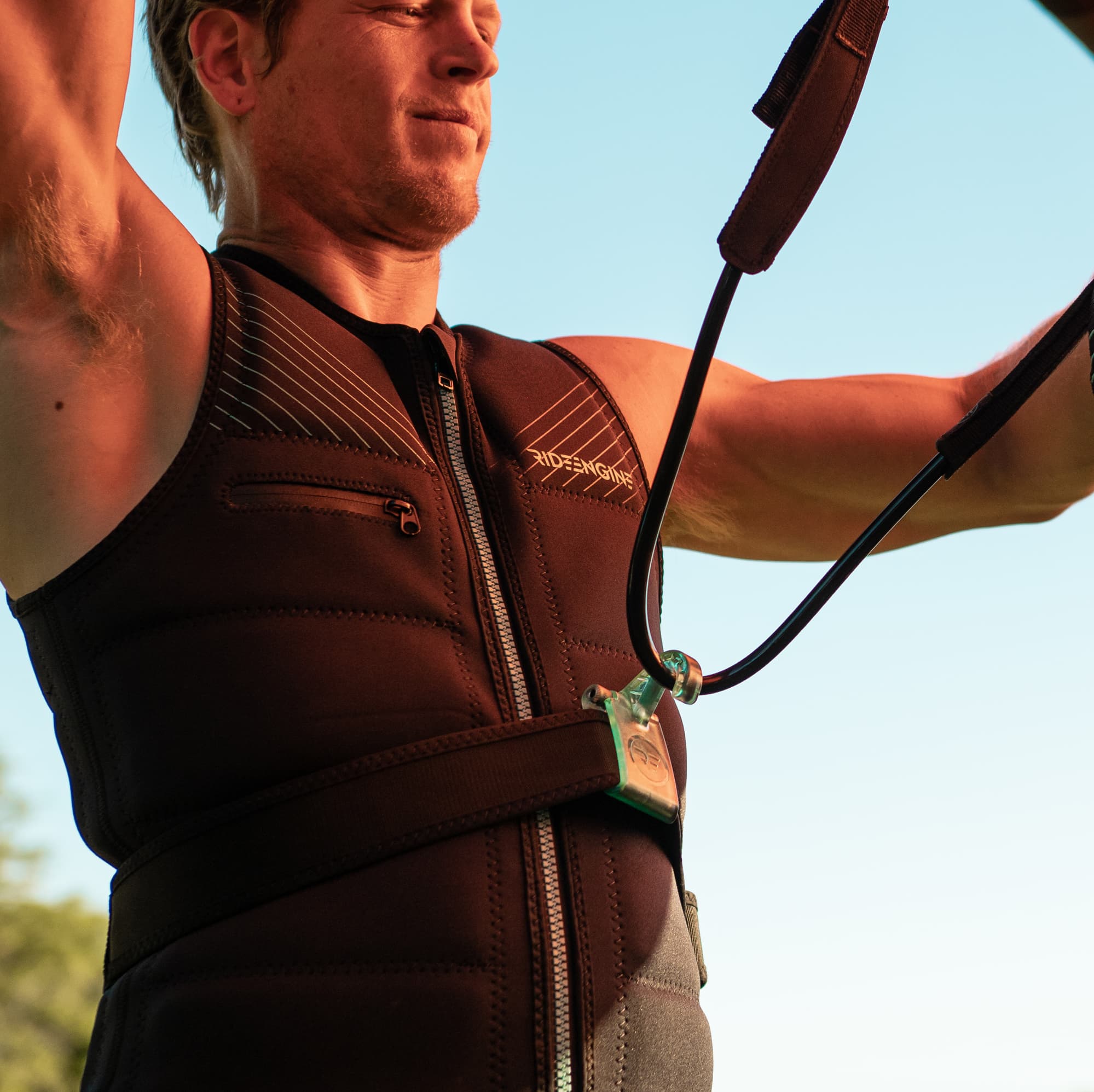
The higher hook point allows you to use a shorter harness line on the wing. This can reduce line slap and help limit unintentional hook-ins.
Improved Freedom
With the harness positioned higher on the body, your lower body stays more open and mobile. This is especially useful for wing foilers riding surf, chasing swell, or moving dynamically on foil.
More Leash and Parawing Belt Options
By keeping the waist clear, a chest harness leaves room for a wing leash, board leash, or parawing stow belt. As more parawingers discover the benefits of using a harness for upwind to downwind runs, the chest harness becomes a great solution for support while keeping the waist area free.

Versatility
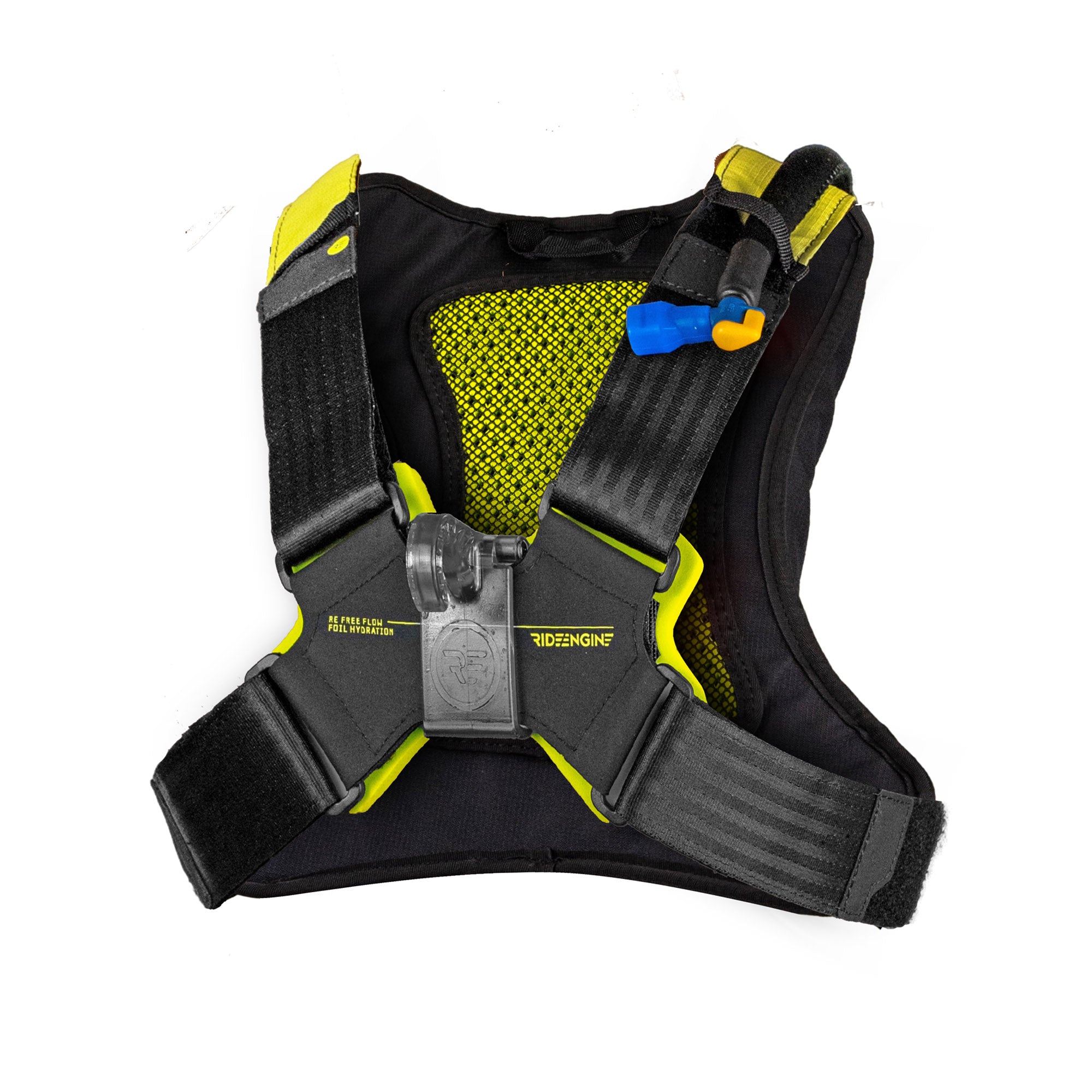
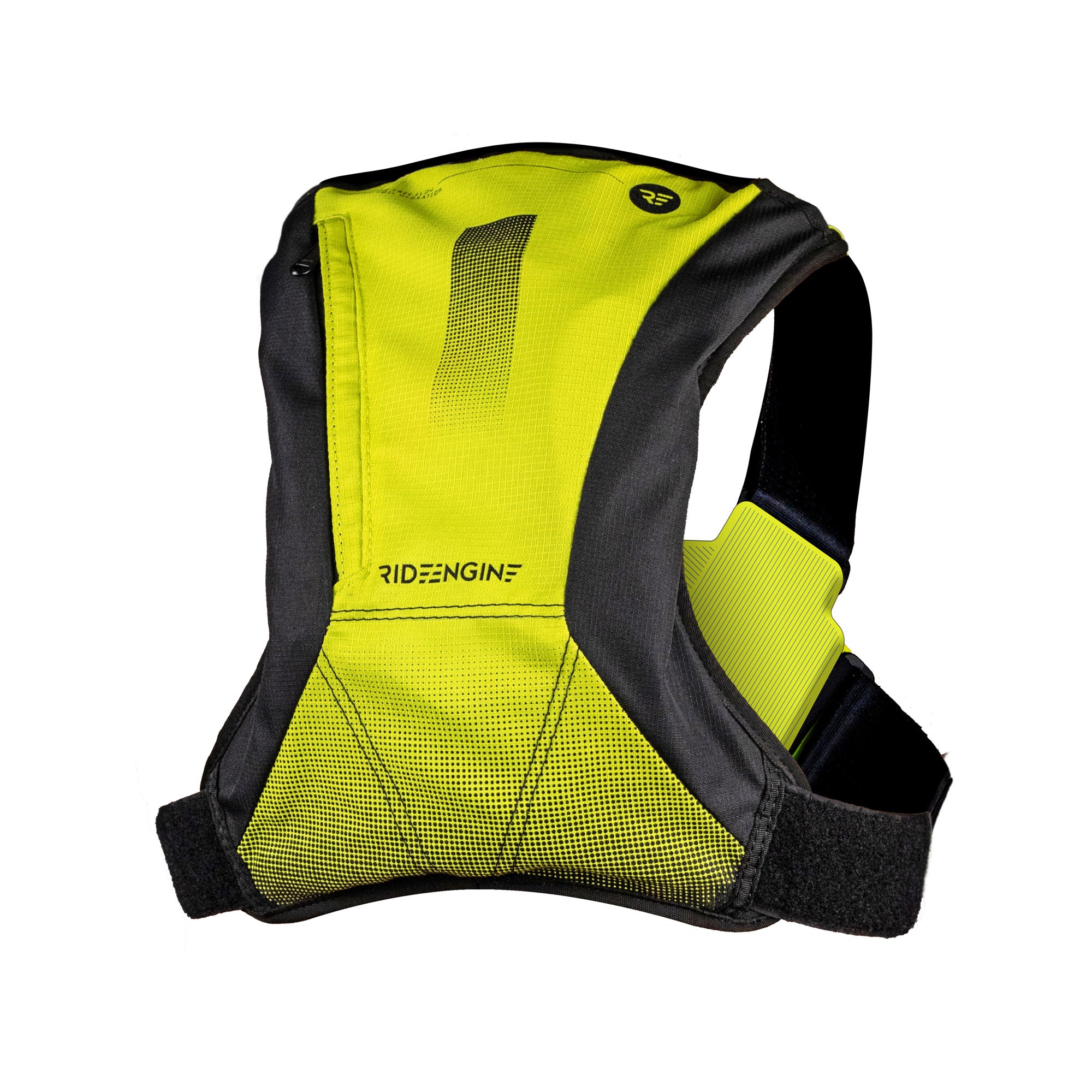
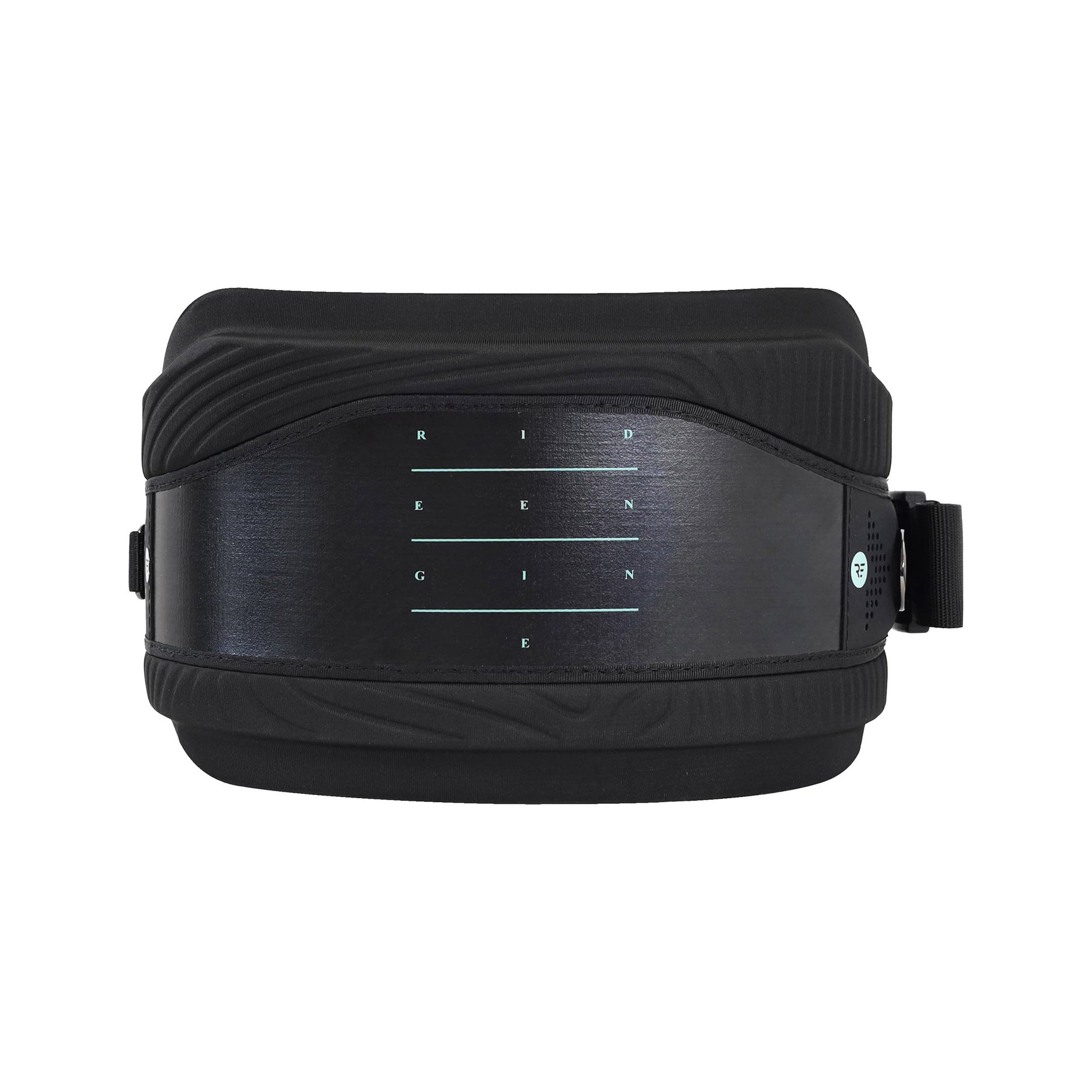
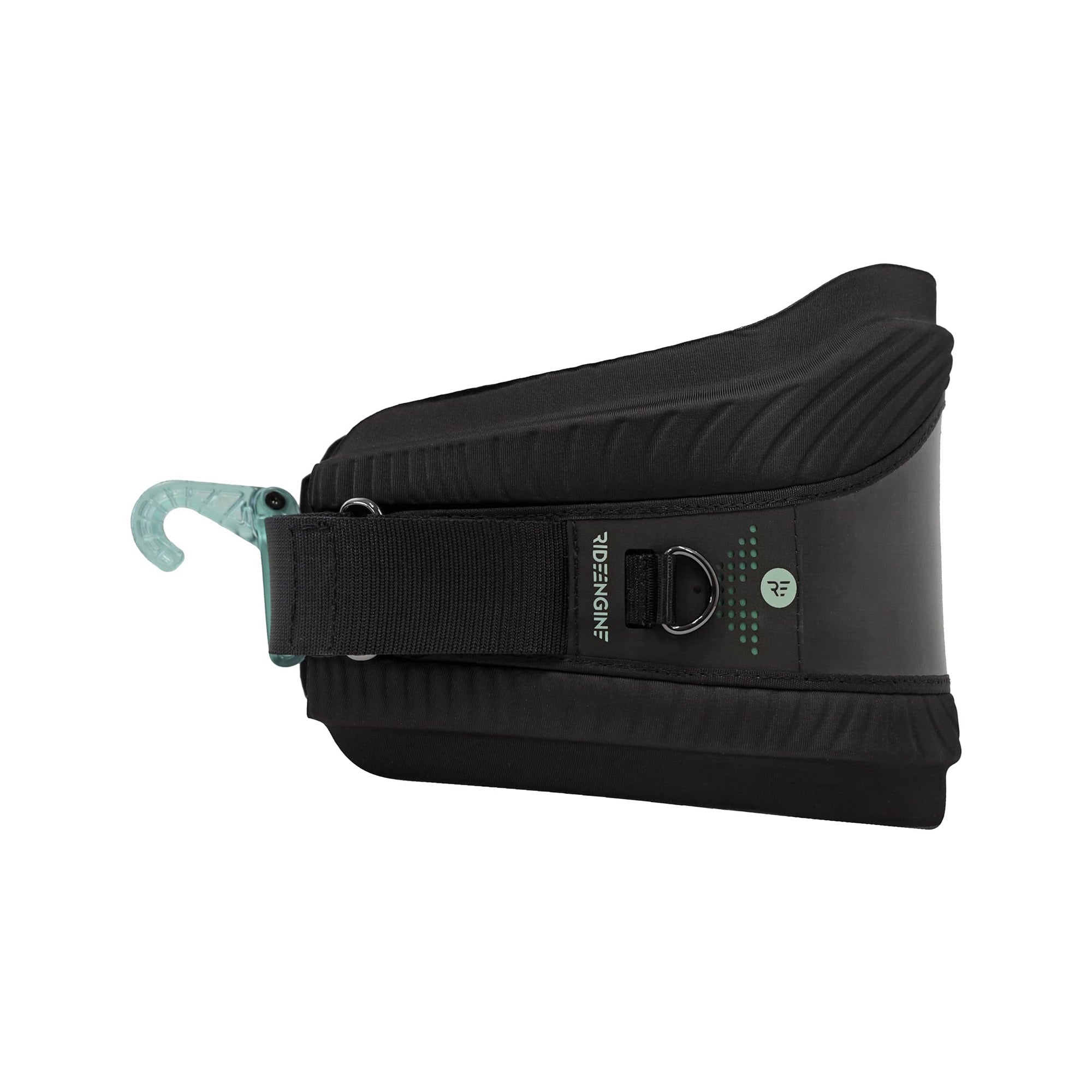
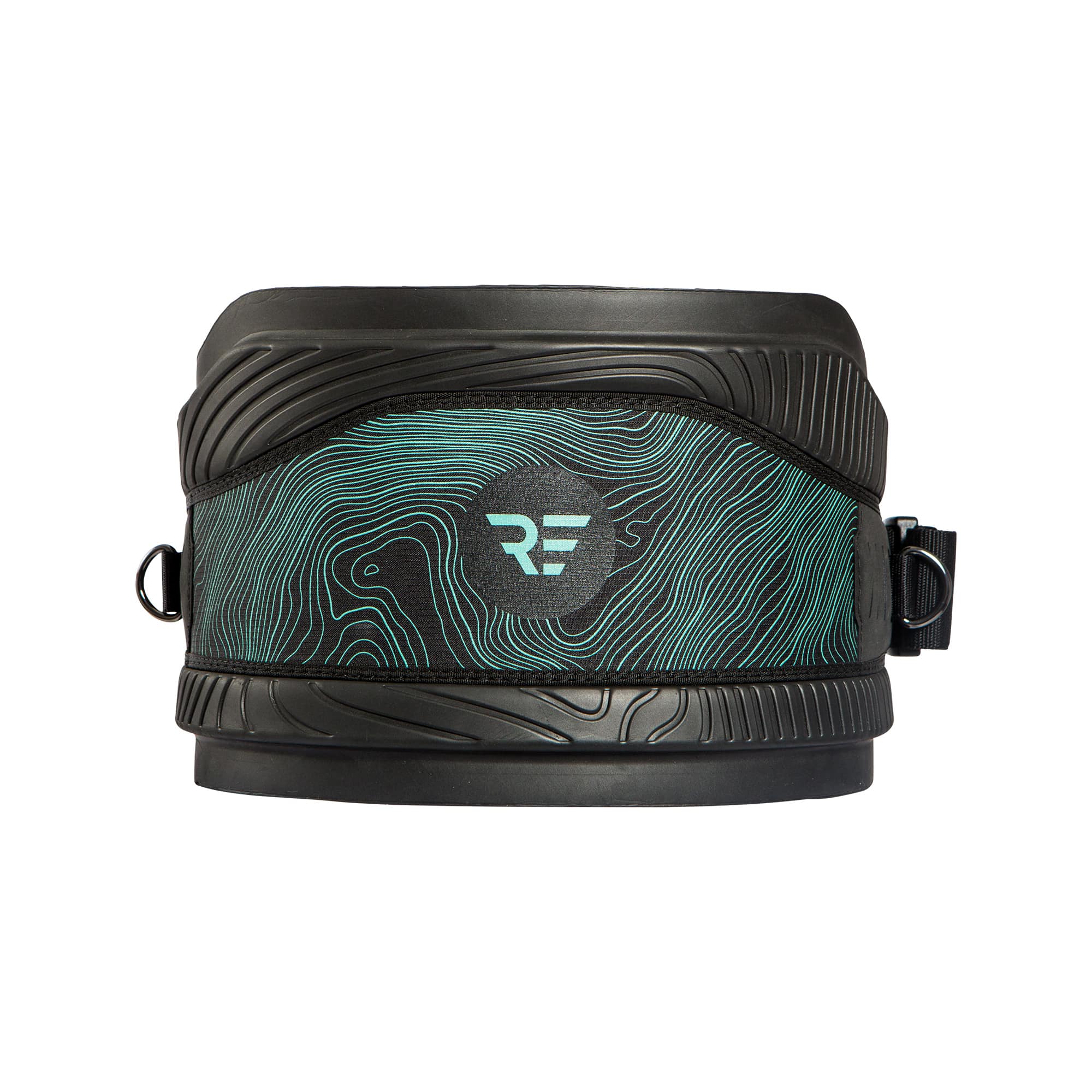
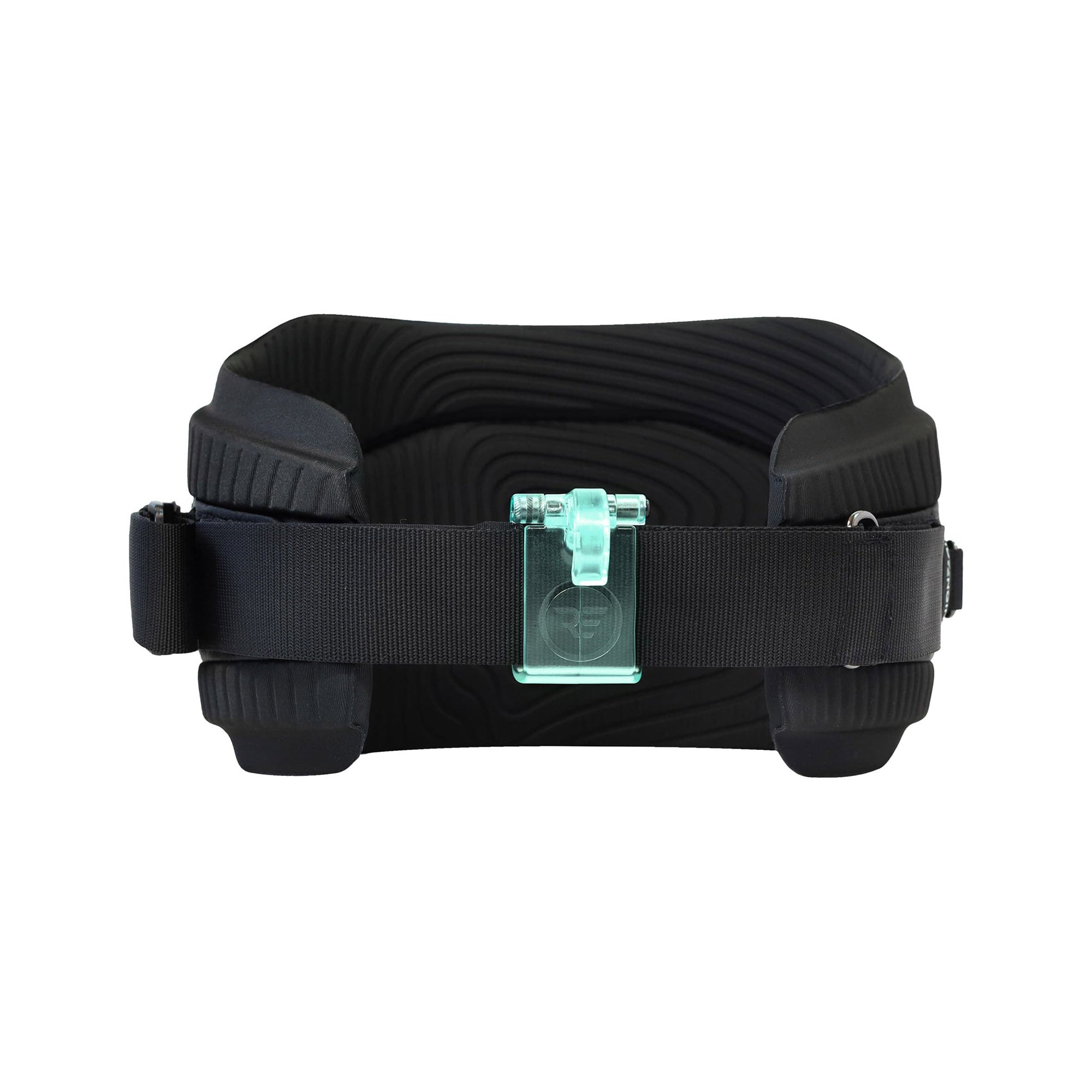
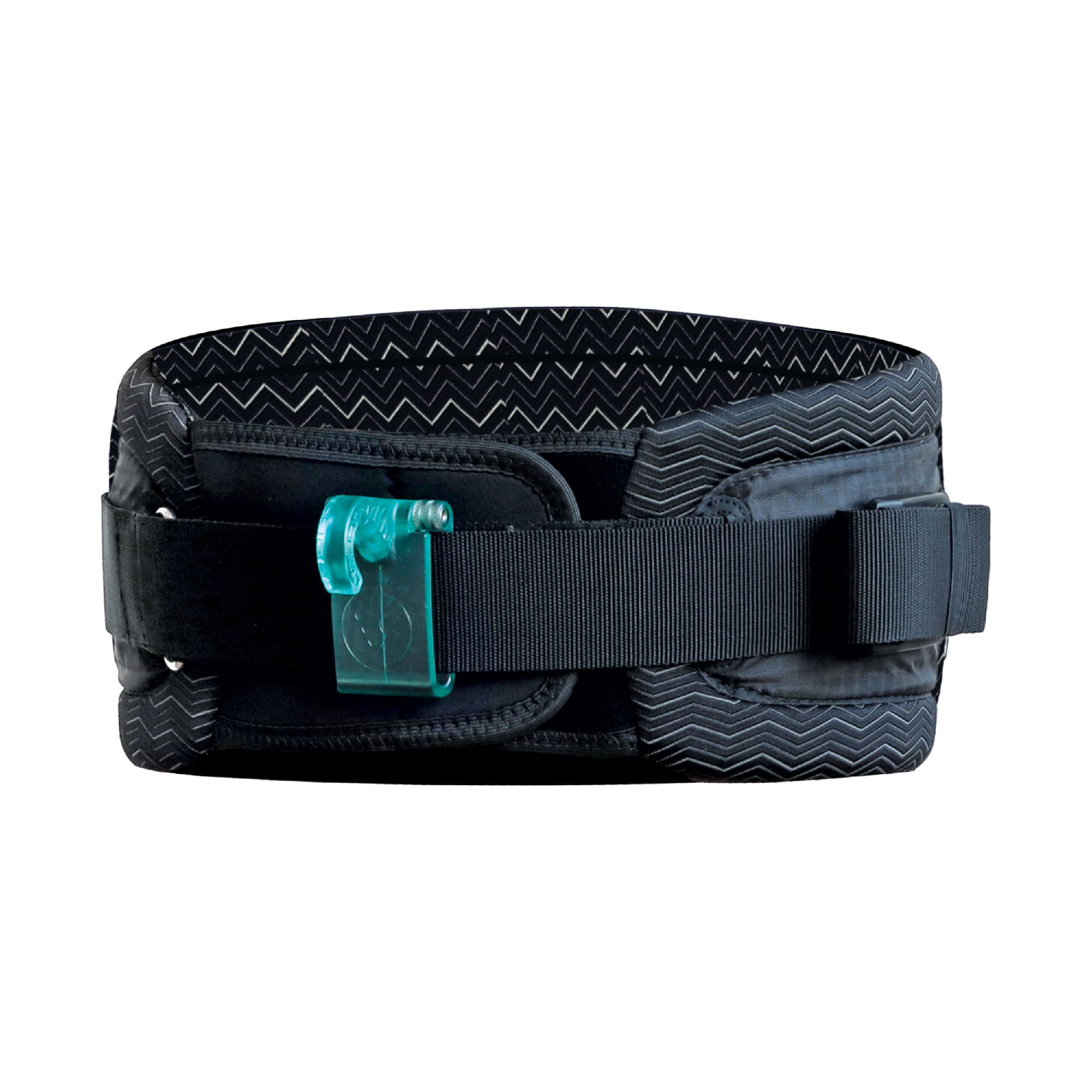
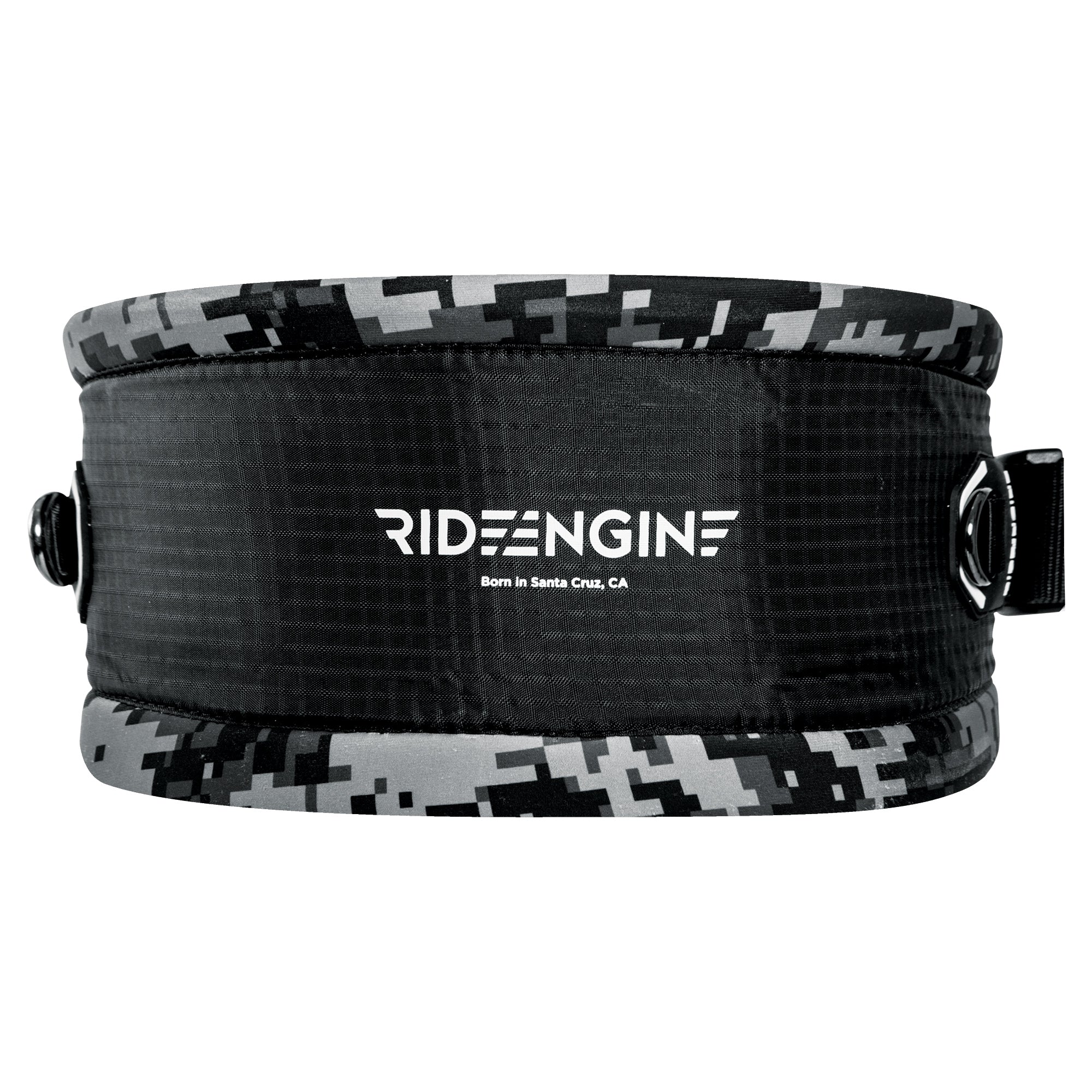
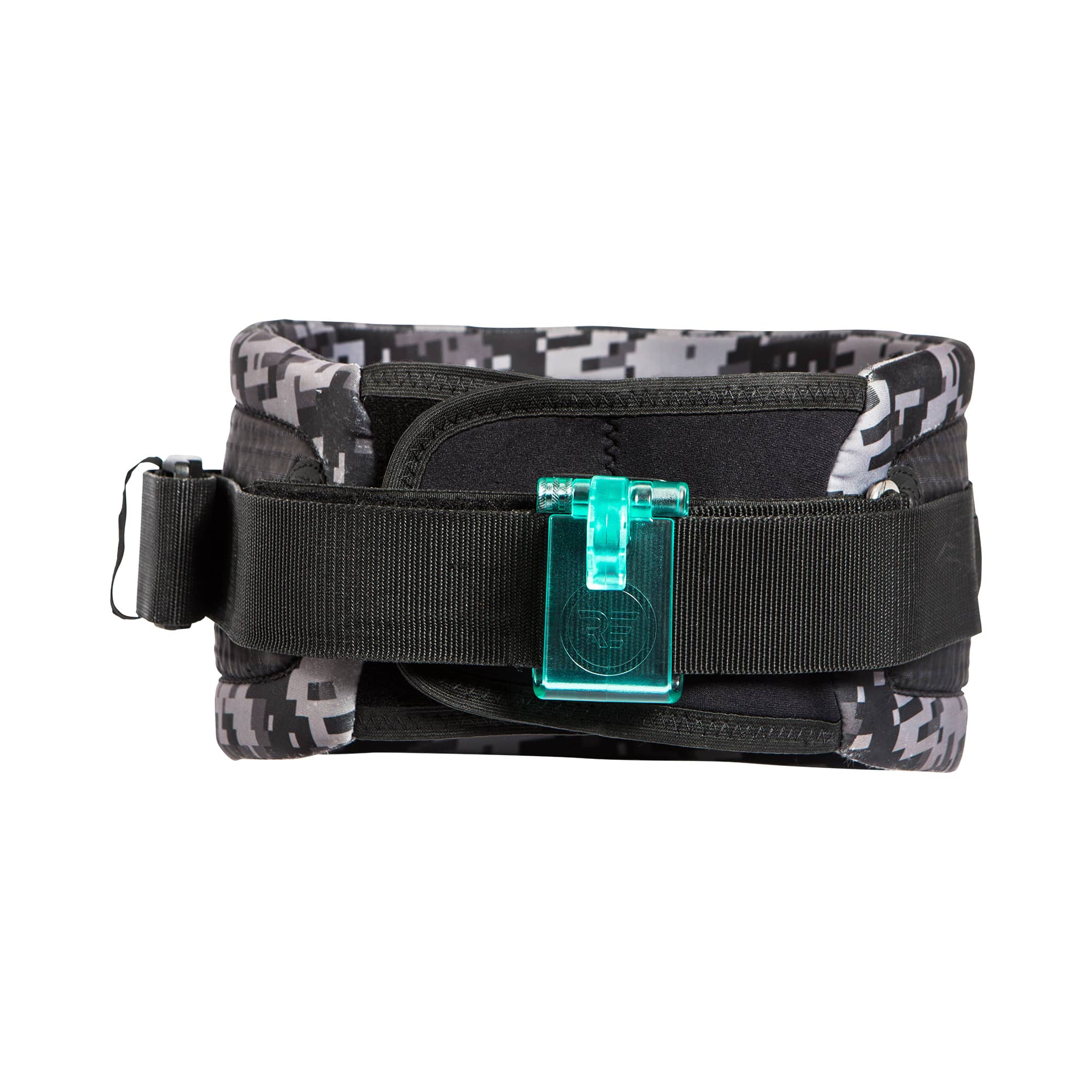
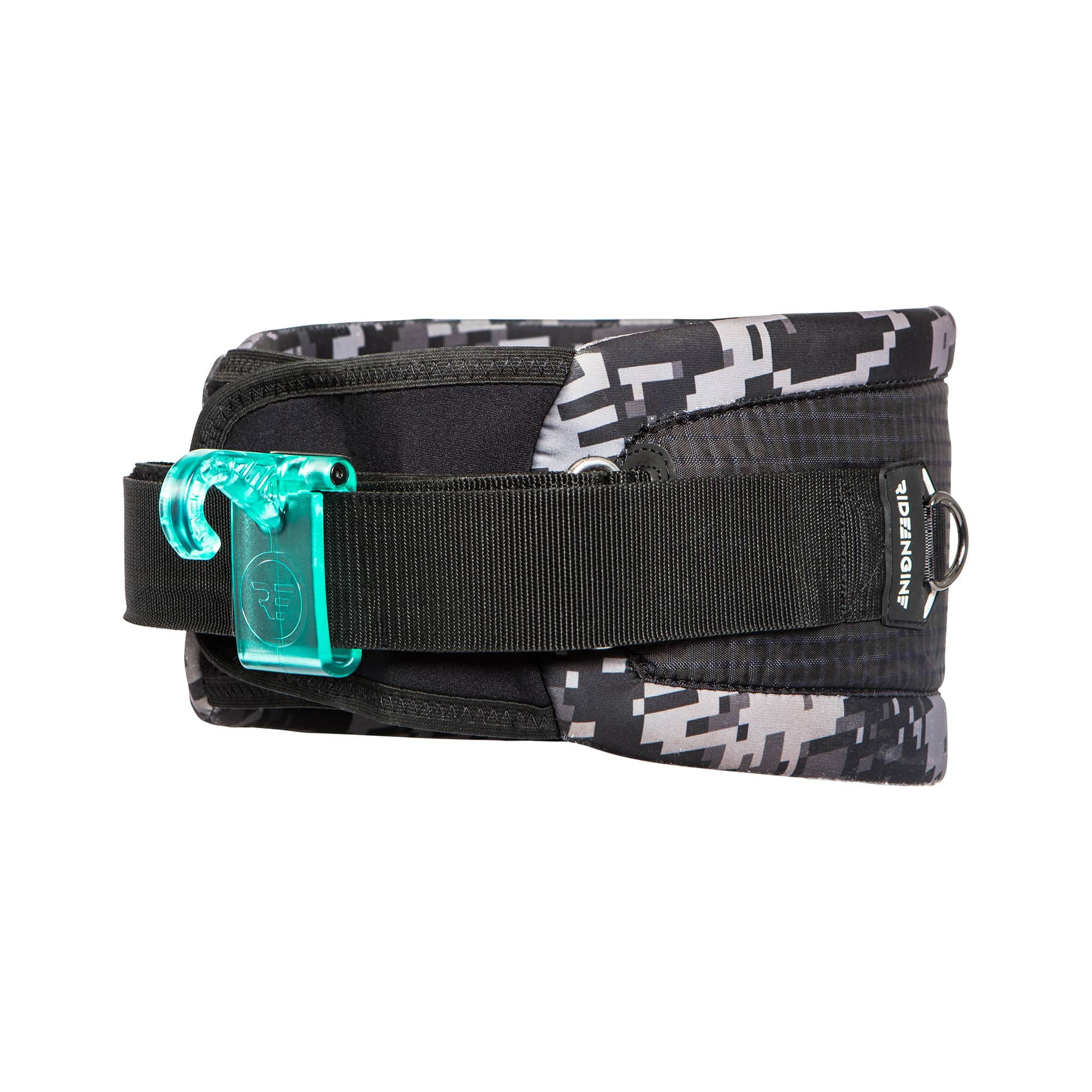
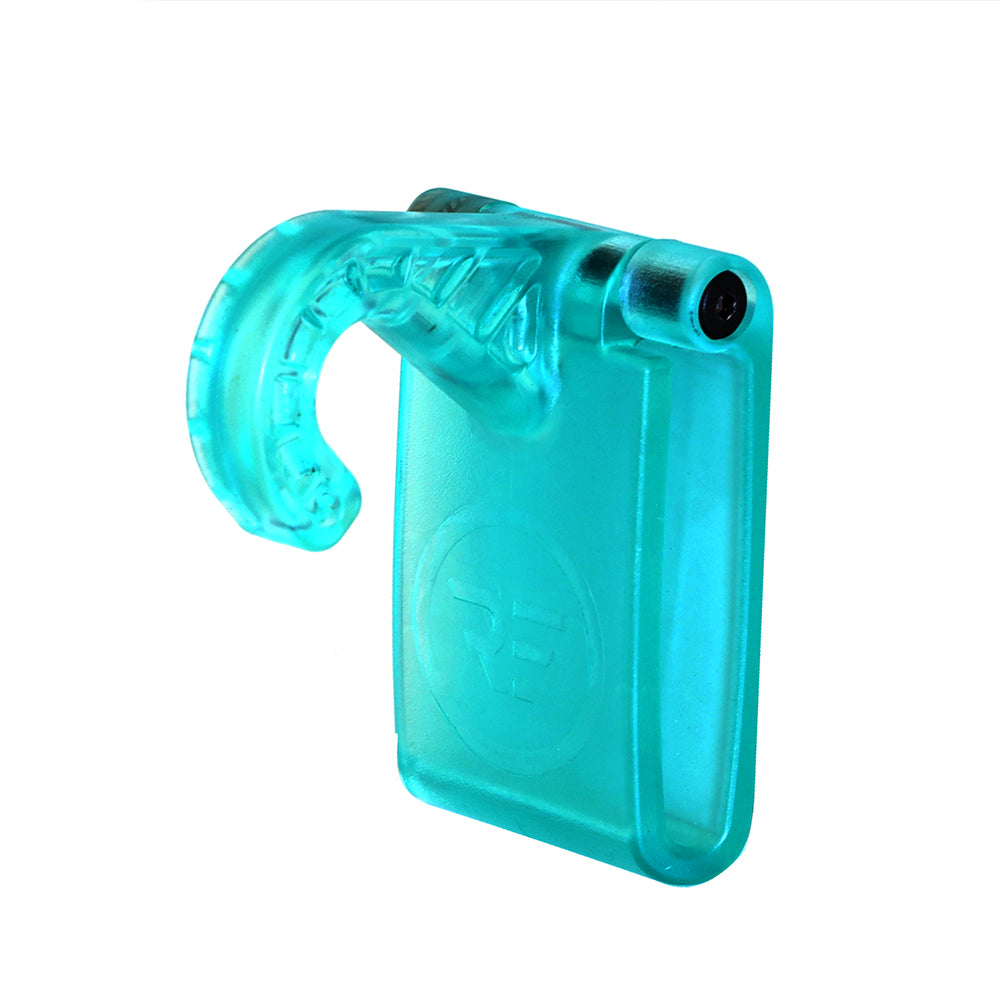
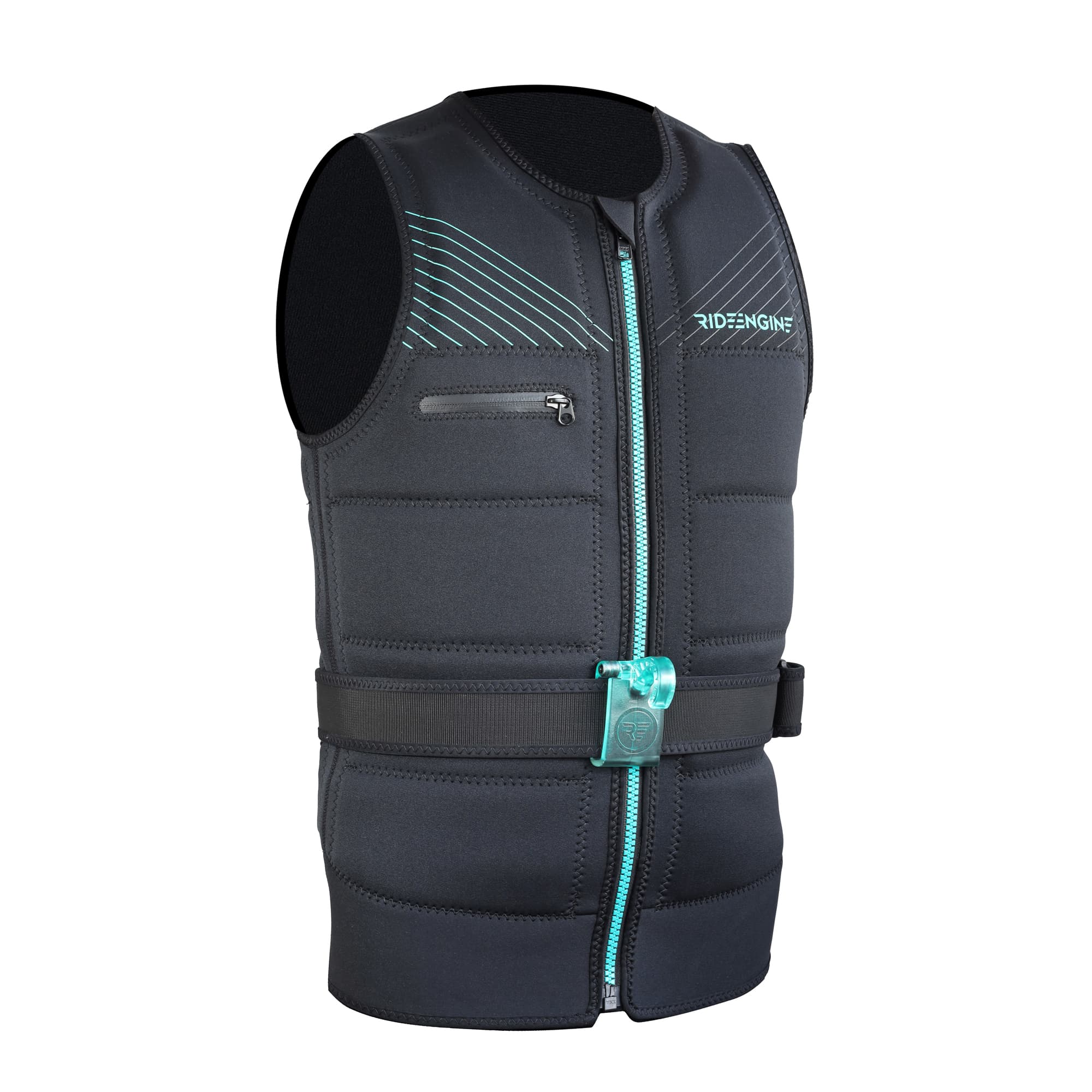
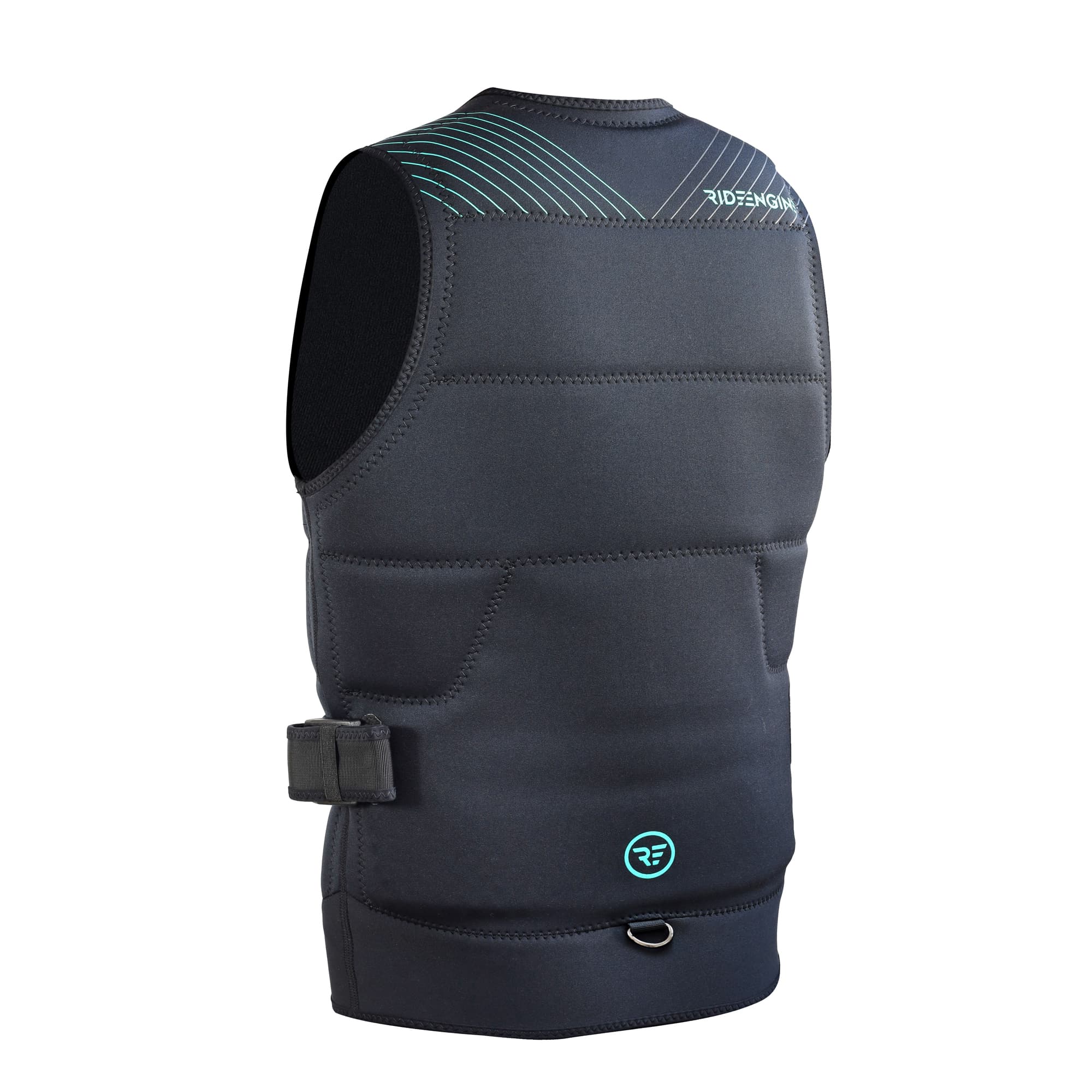
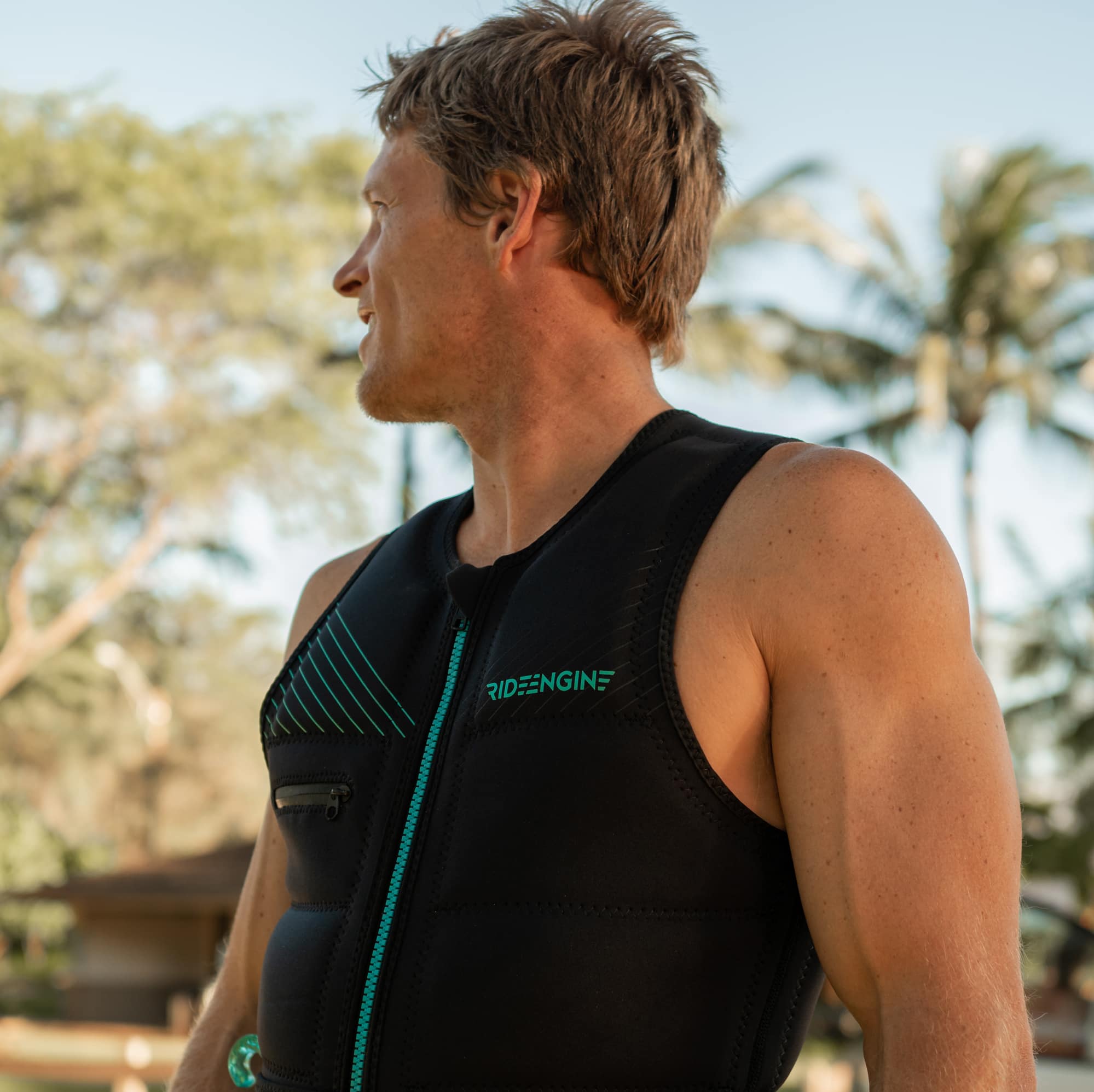
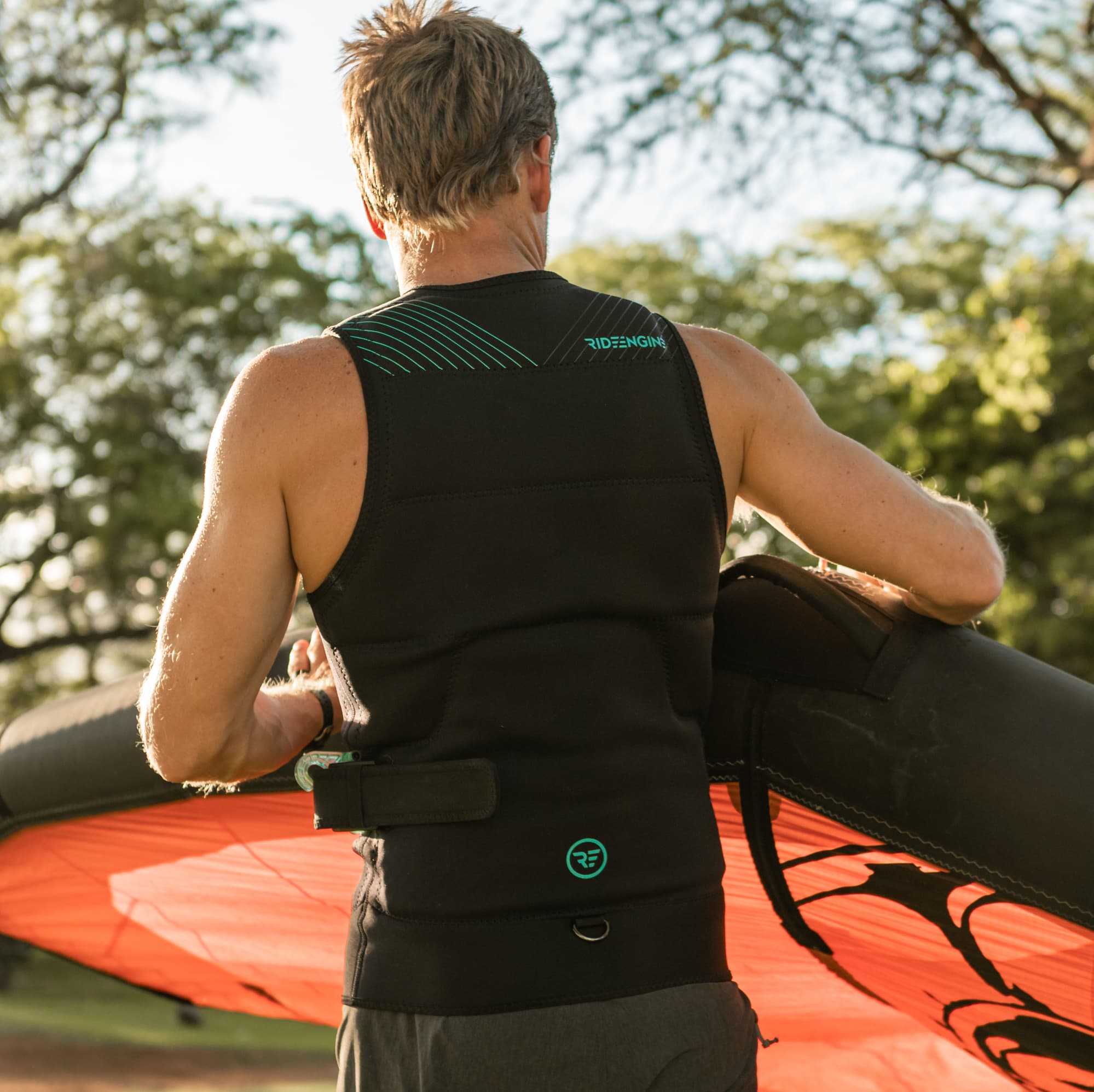
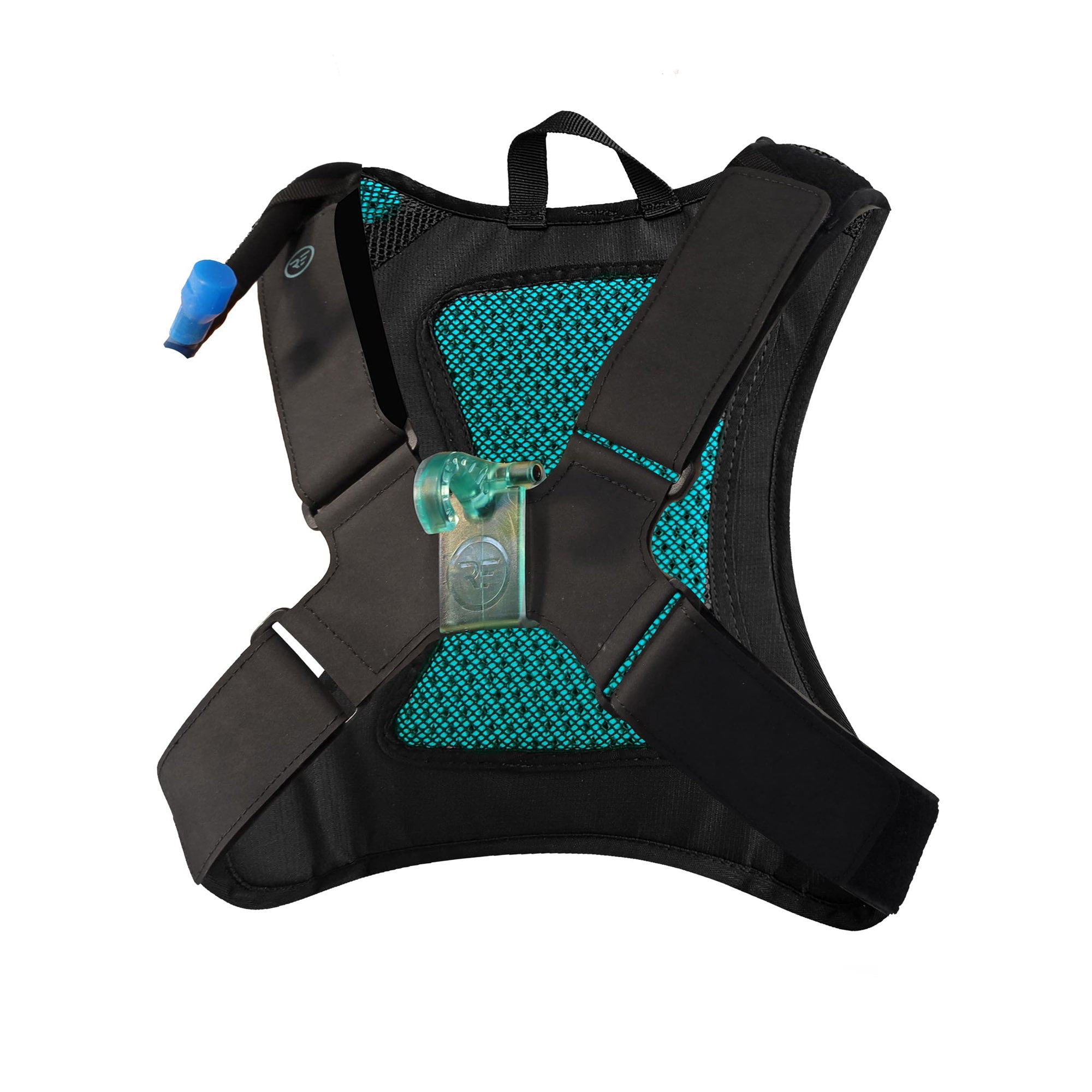
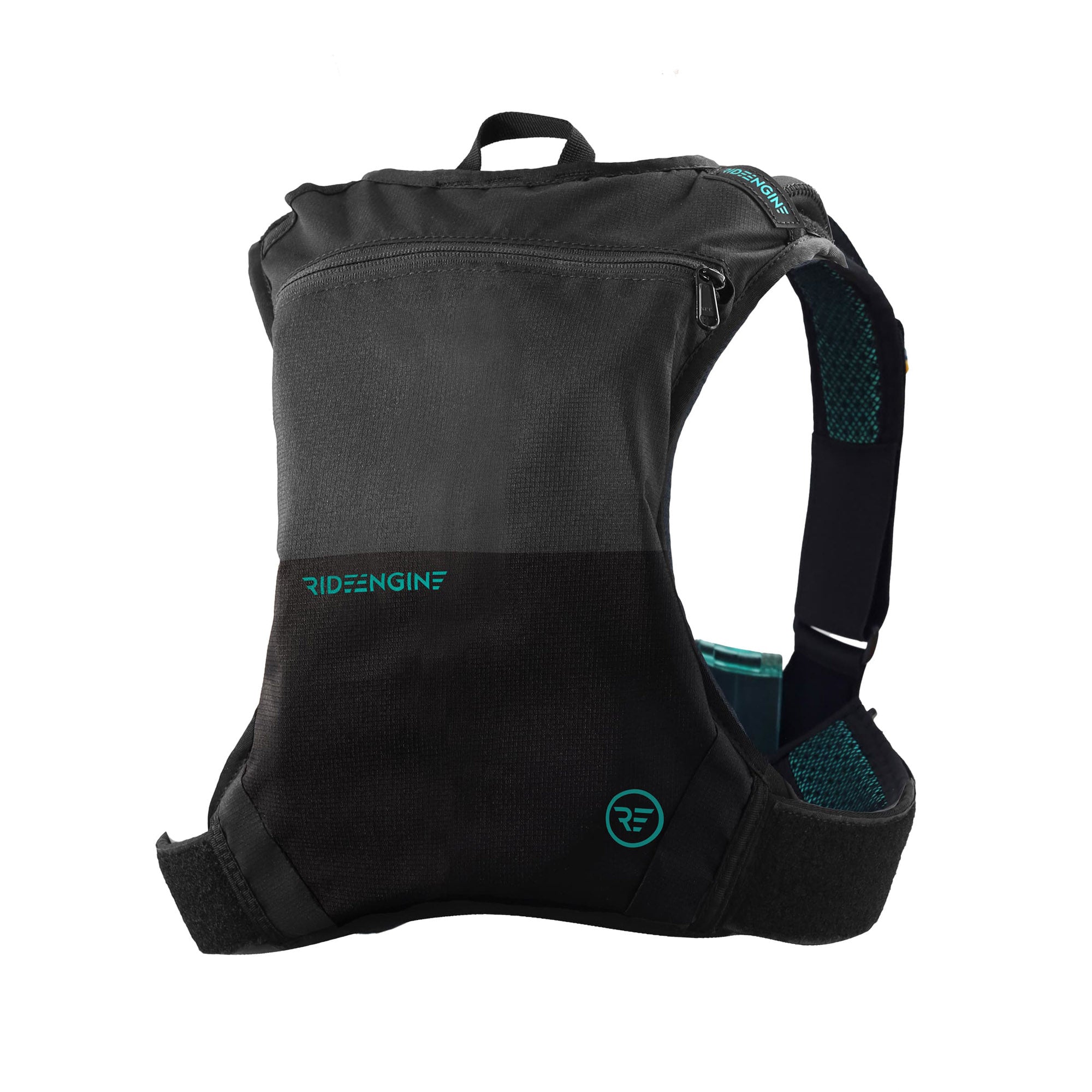
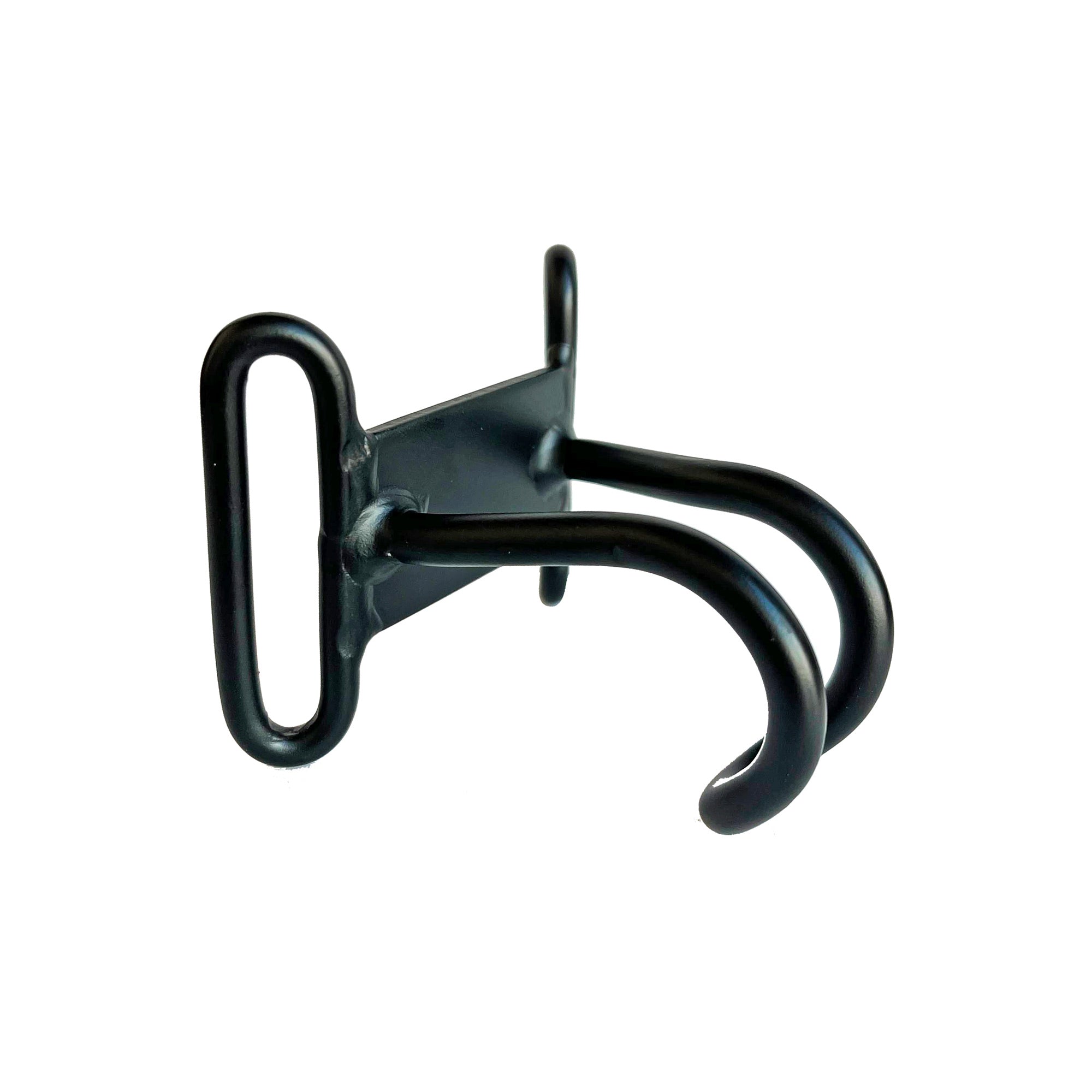
The Ride Engine Free Float chest harness is the ultimate multi-use tool, ideal for wing foiling, downwind SUP, and foil-assist runs thanks to its removable harness line hook. It also features a hydration compartment and a convenient stow pocket for small essentials.
Considerations
When using a chest harness with an impact vest or flotation aid, it can feel more restrictive because it adds a second layer around the upper body.

Waist Harness: Familiar Fit, Low Pull
What is it?
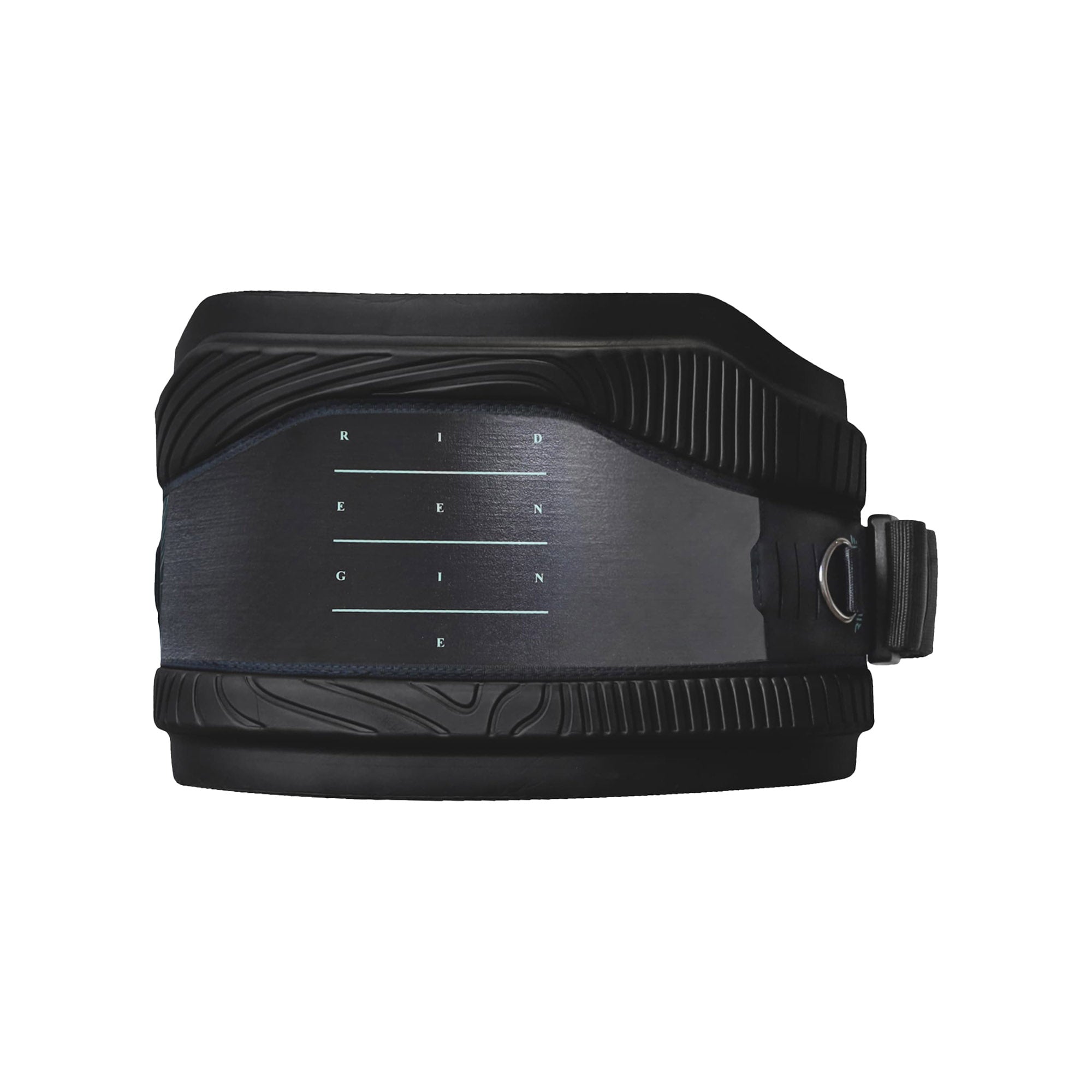
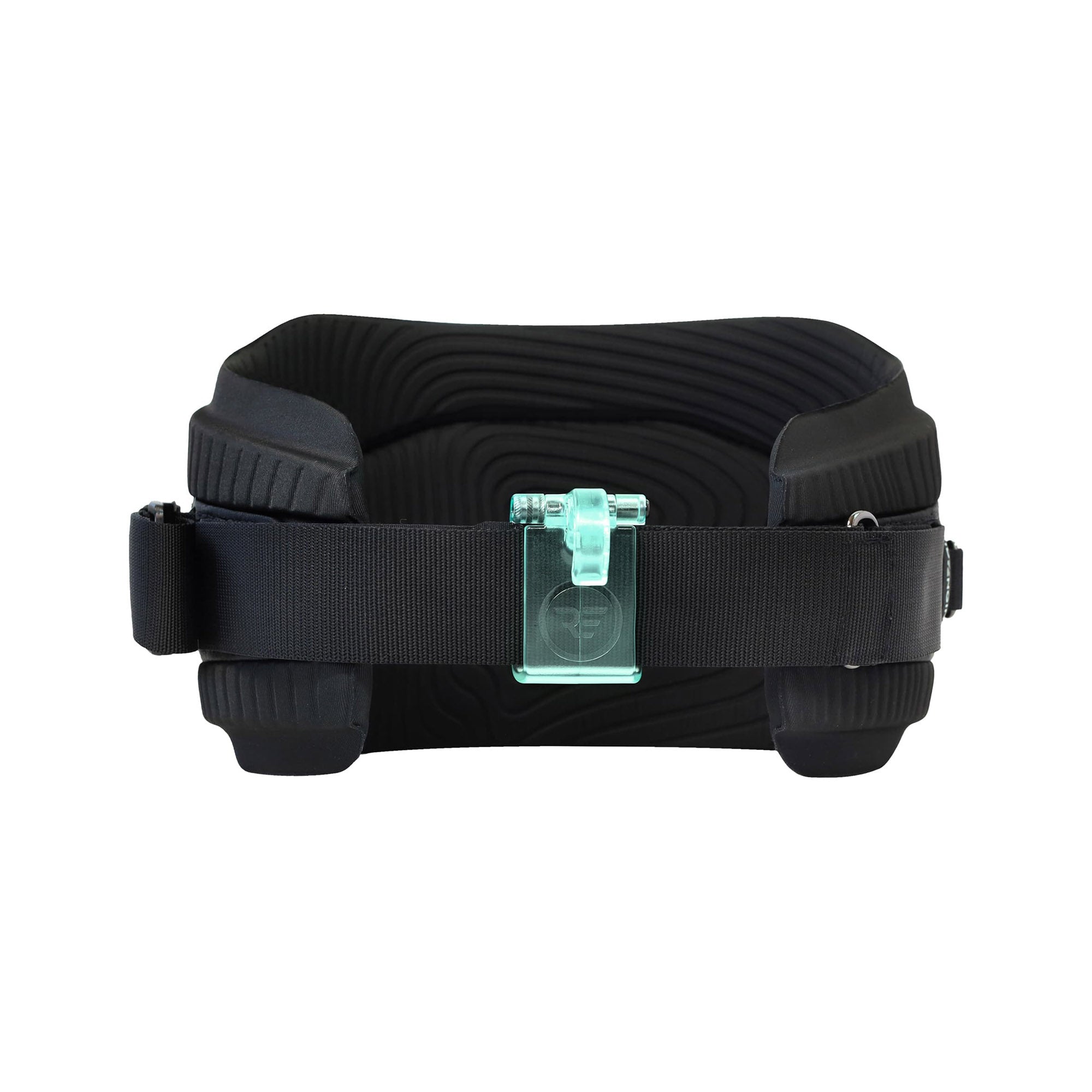
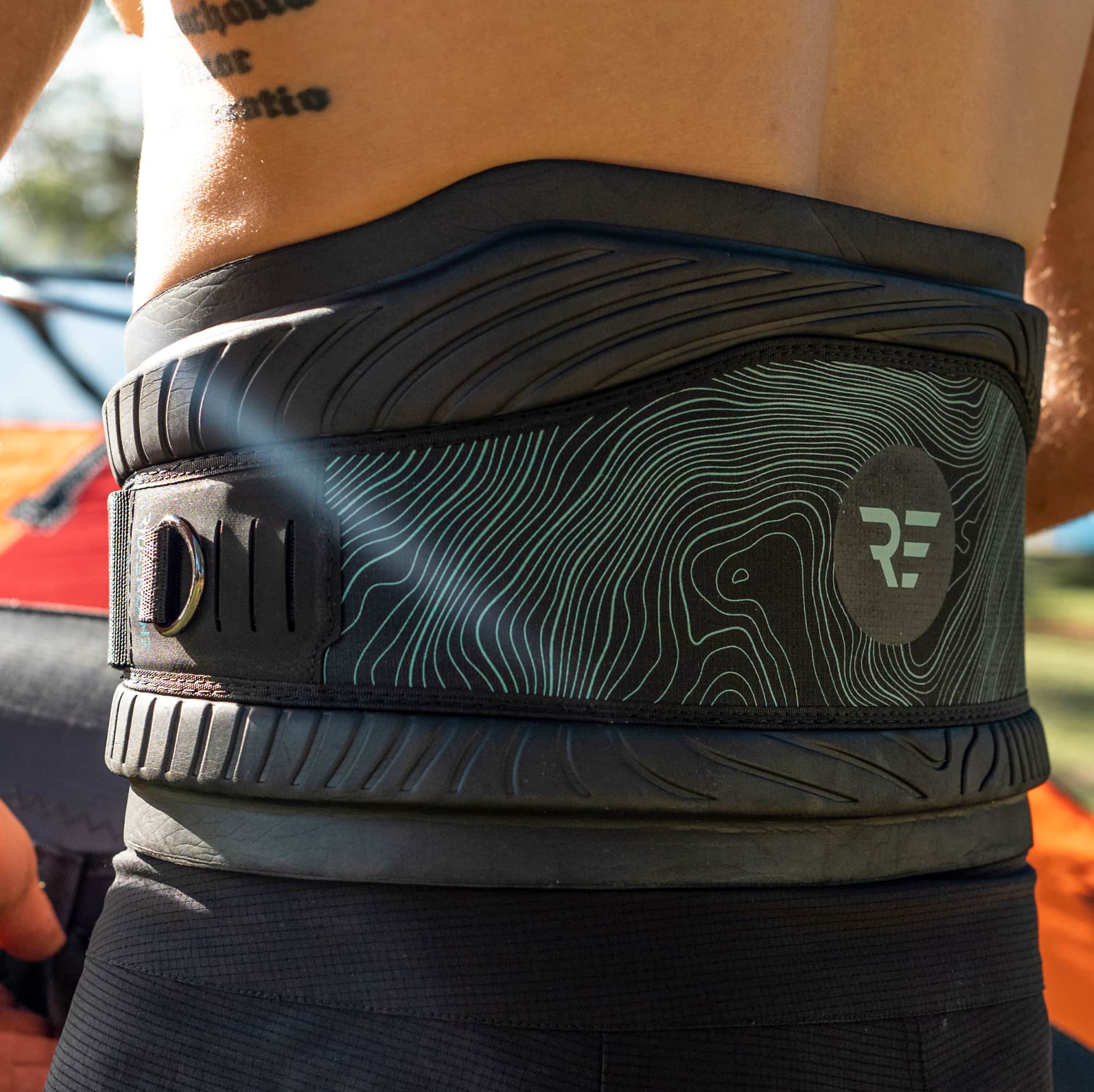
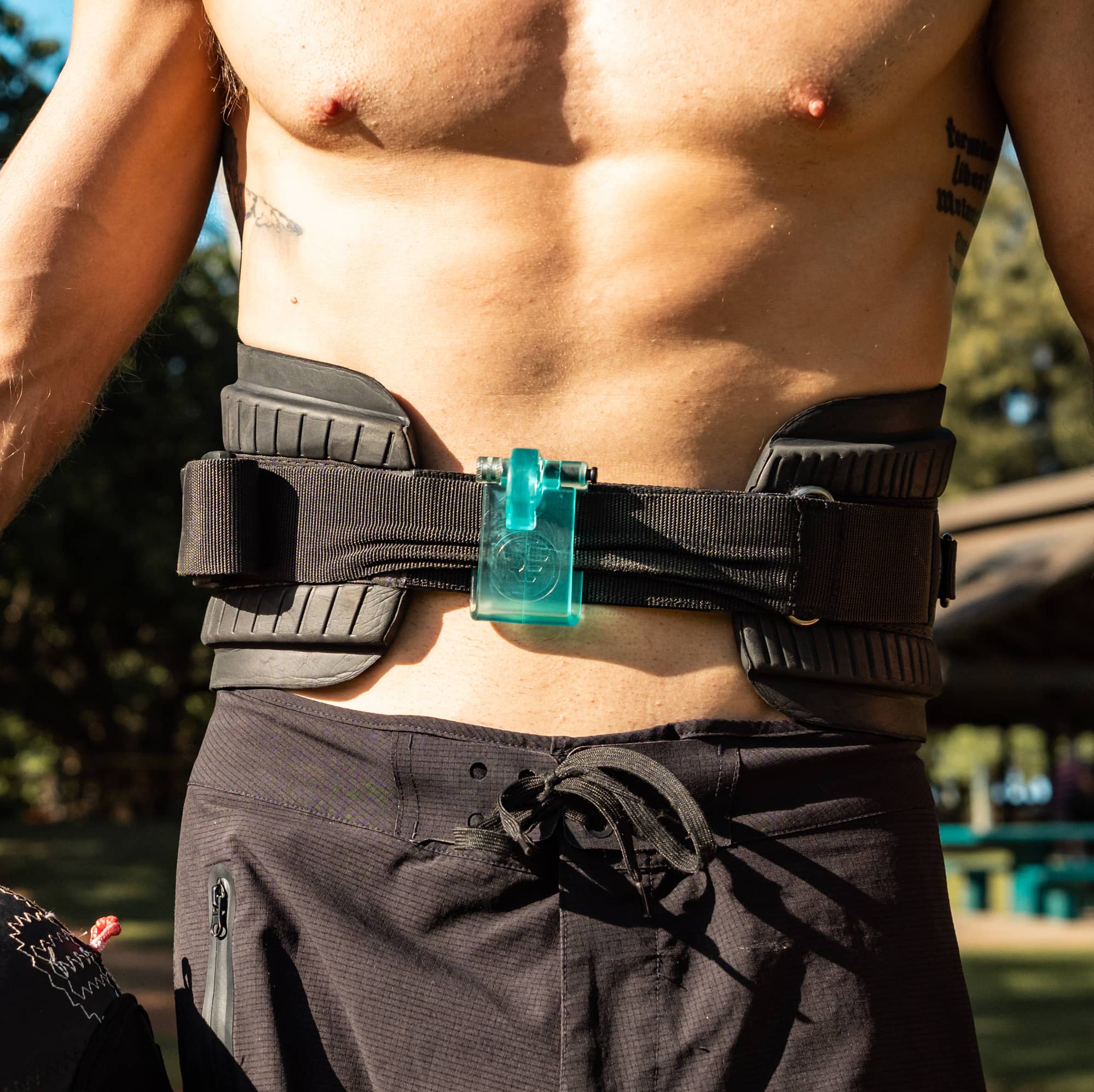
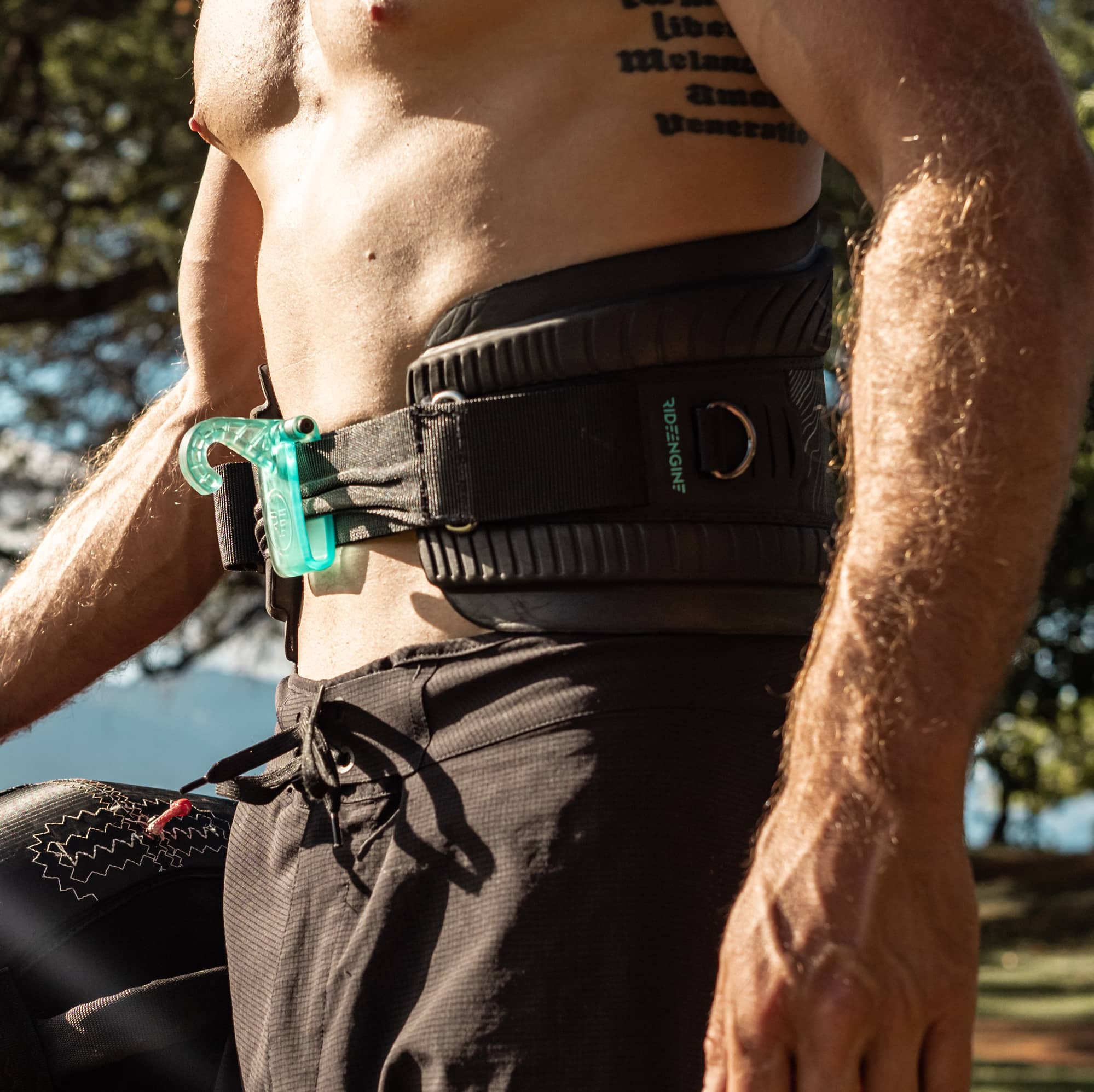
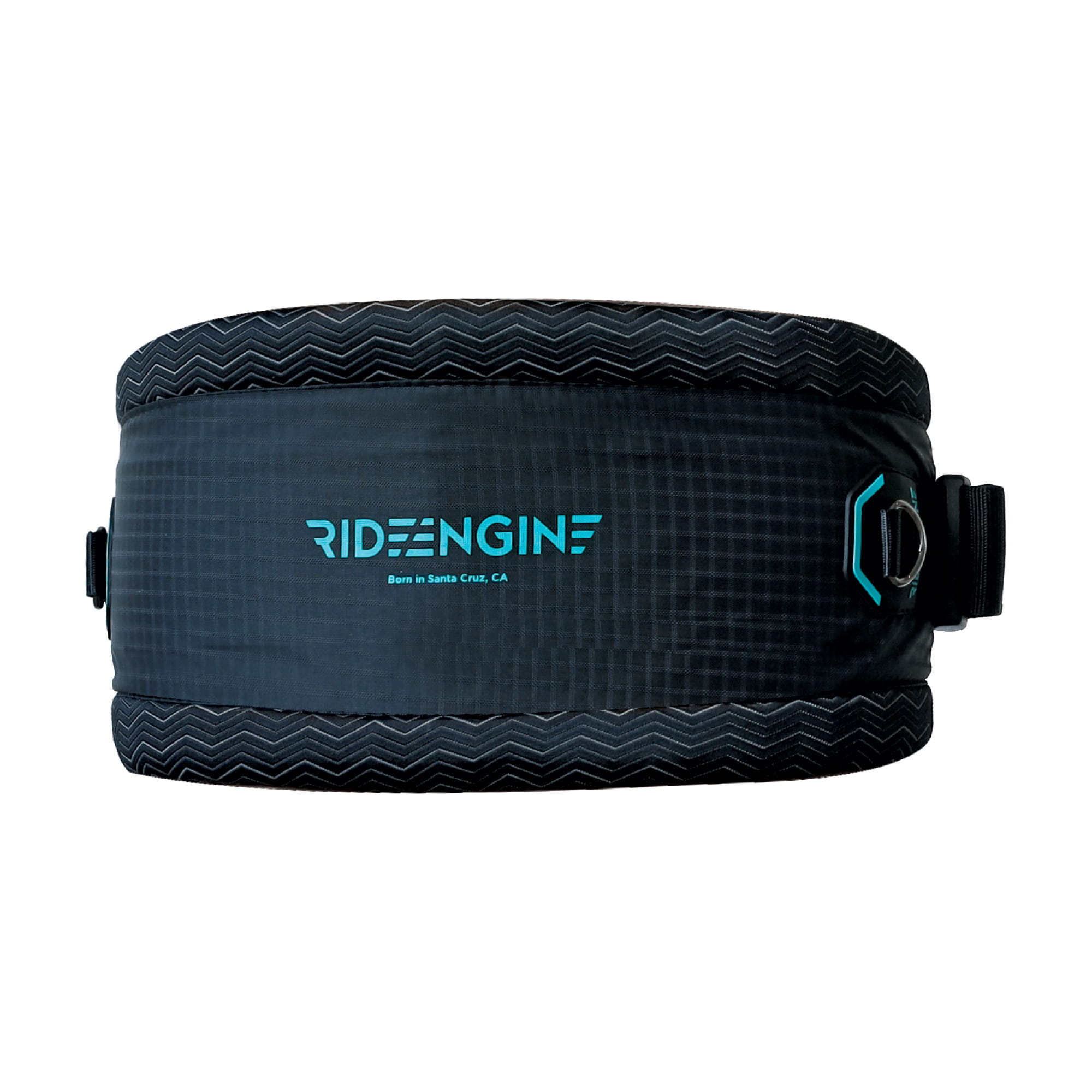
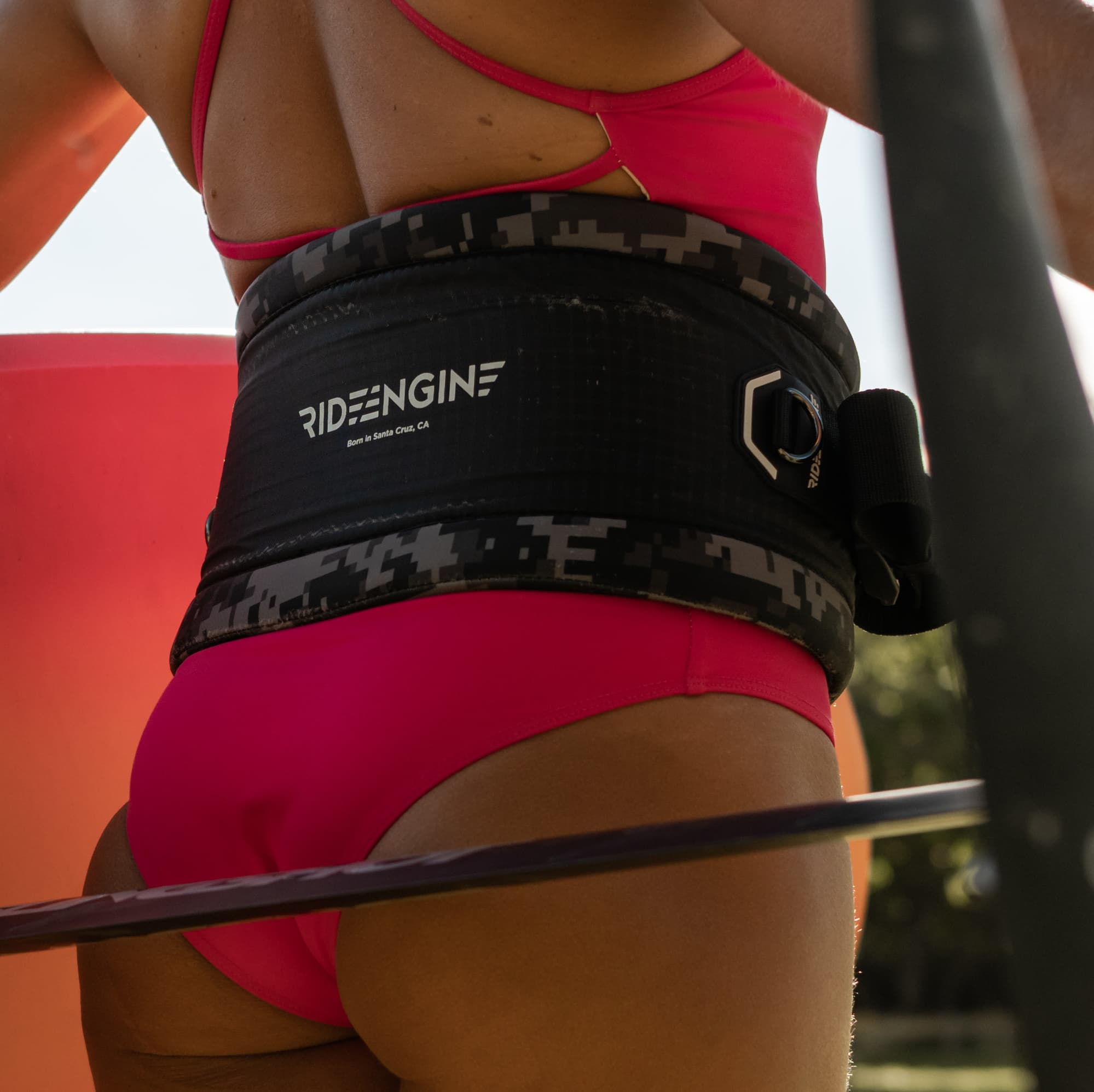
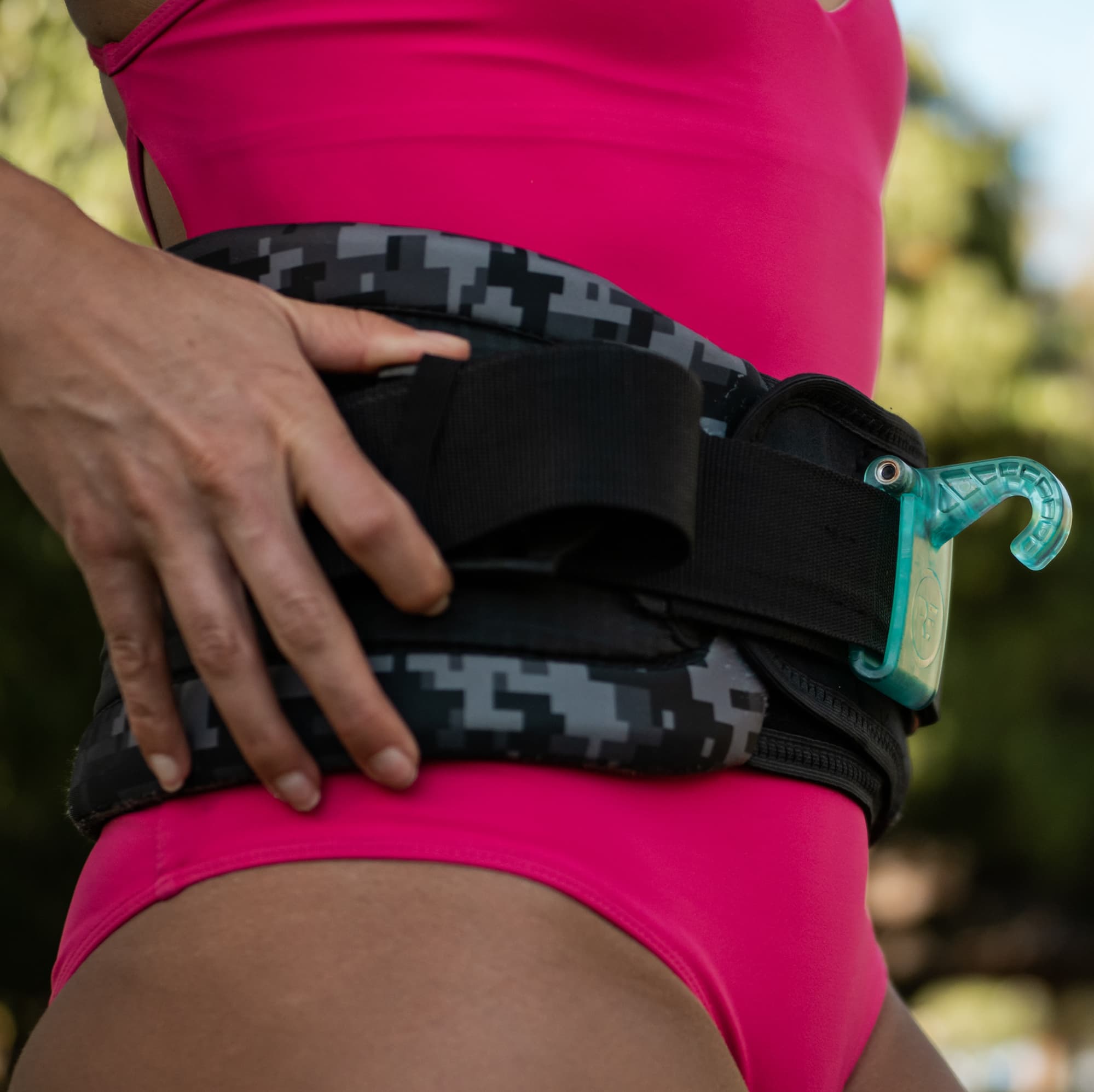
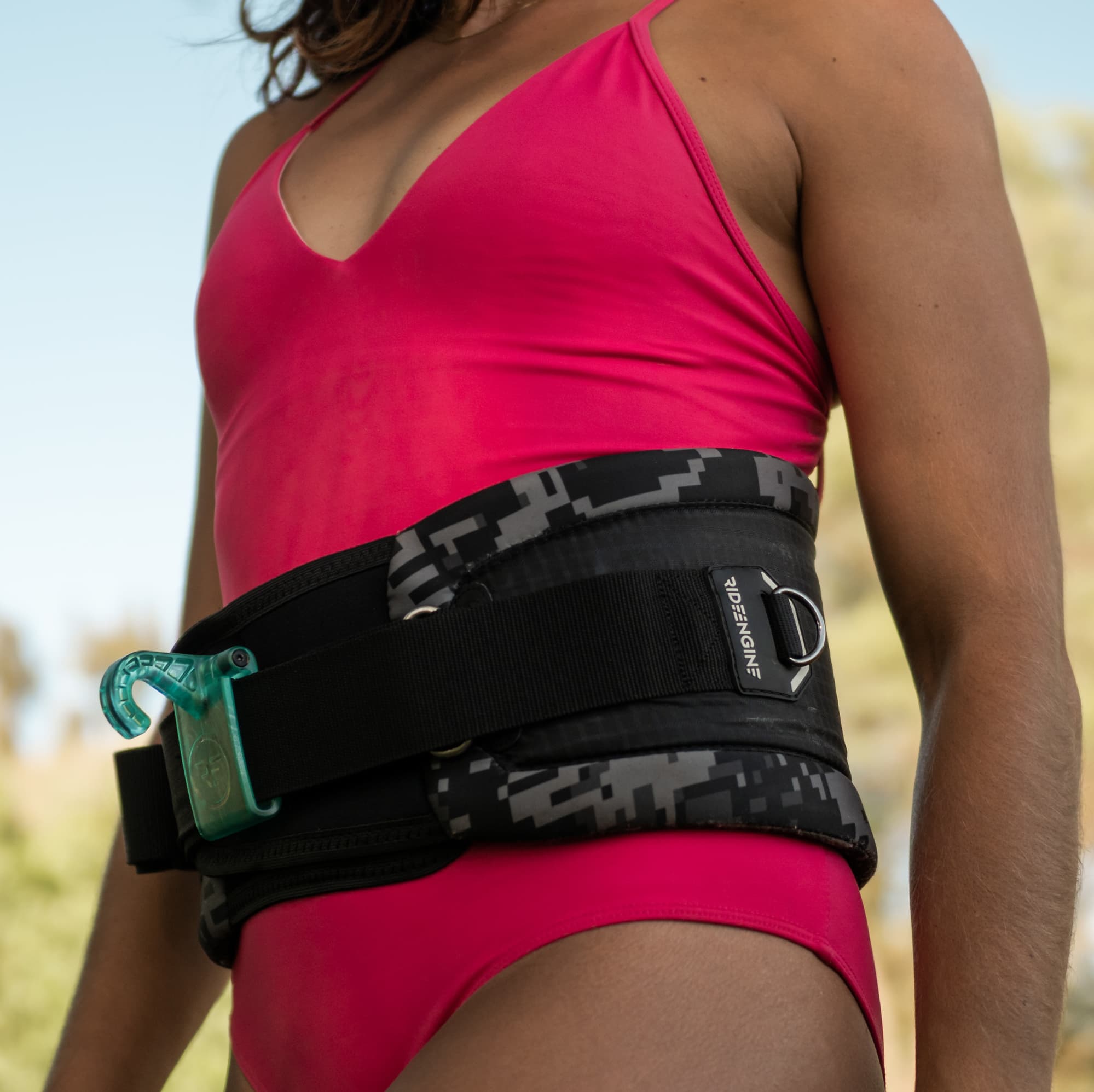
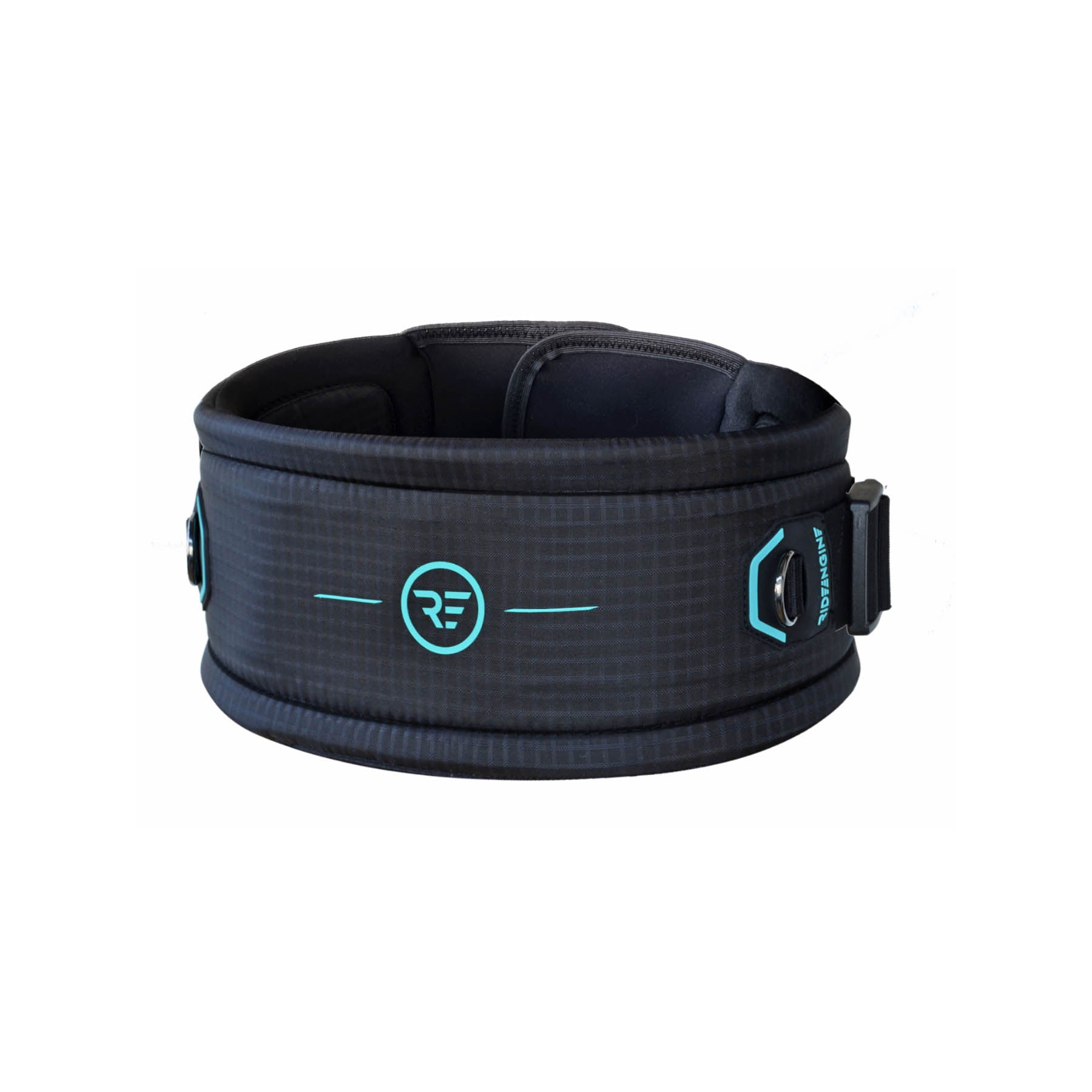
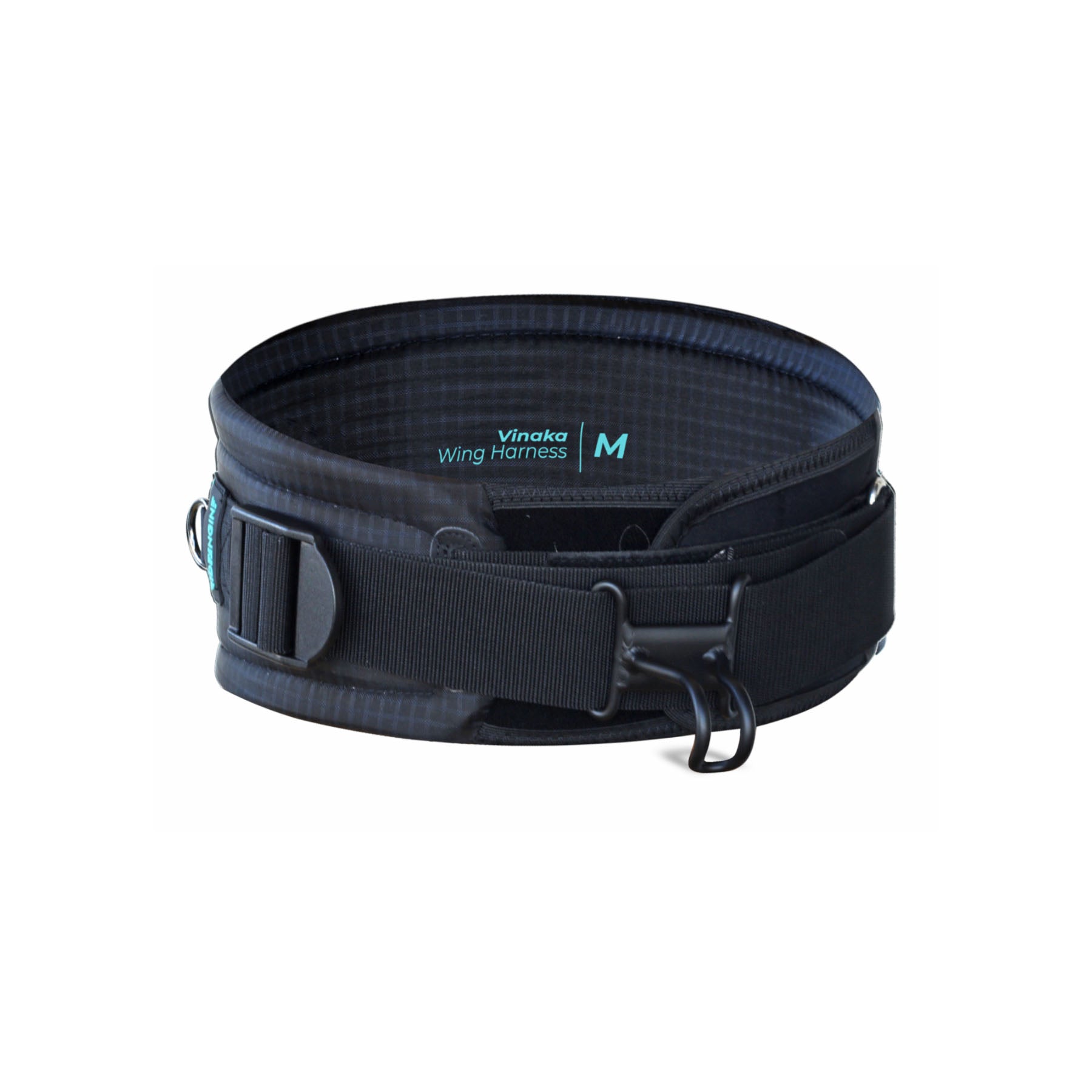
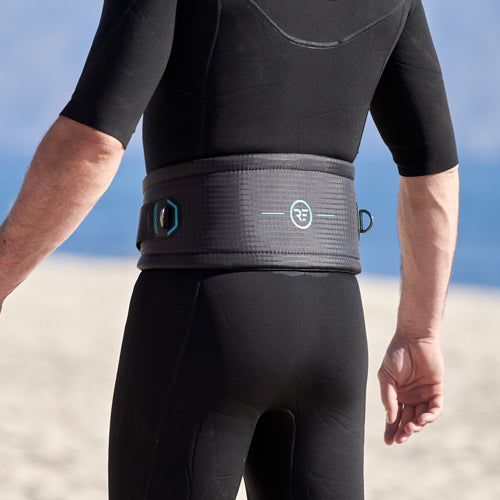
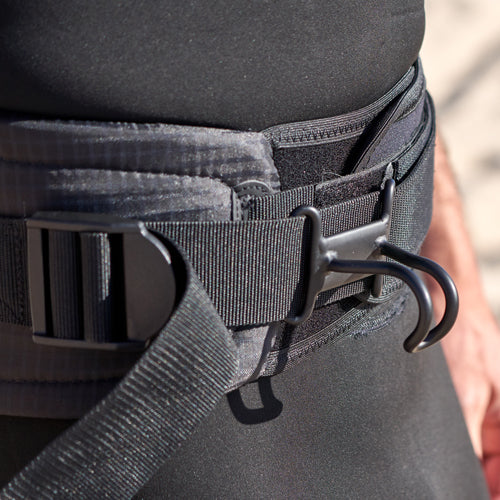
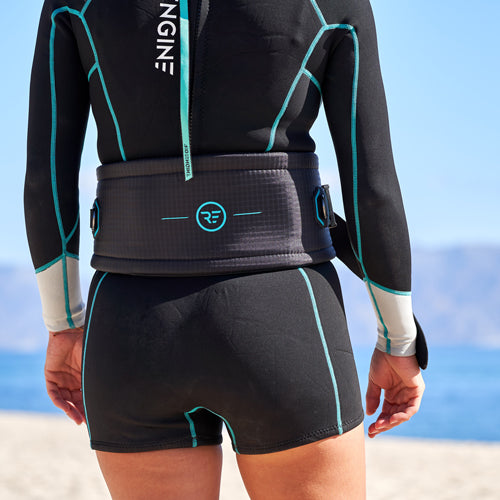
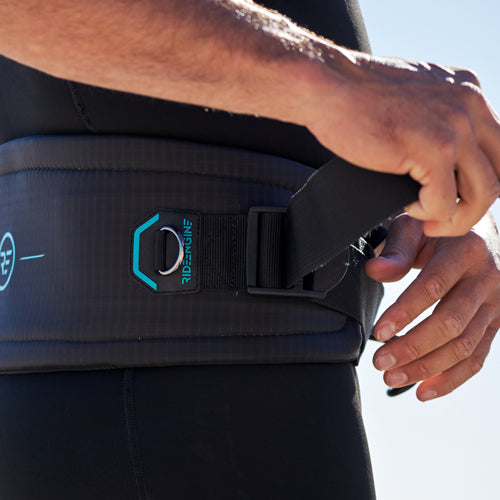
Anyone who has windsurfed or kiteboarded is familiar with the classic waist harness. Secured around the lower torso, it is a proven solution for managing the pull and power of your gear.
Advantages of a Waist Harness
Lower Hook Point, Better Leverage
Harnessing pull from the hips provides efficient leverage against the wing’s power. This can help riders achieve higher upwind angles and maintain control in overpowered conditions.
Integration with Protective Equipment
The lower harness position works well with impact vests and, in many cases, can help keep the vest securely in place during your session.
Leash Attachment Options
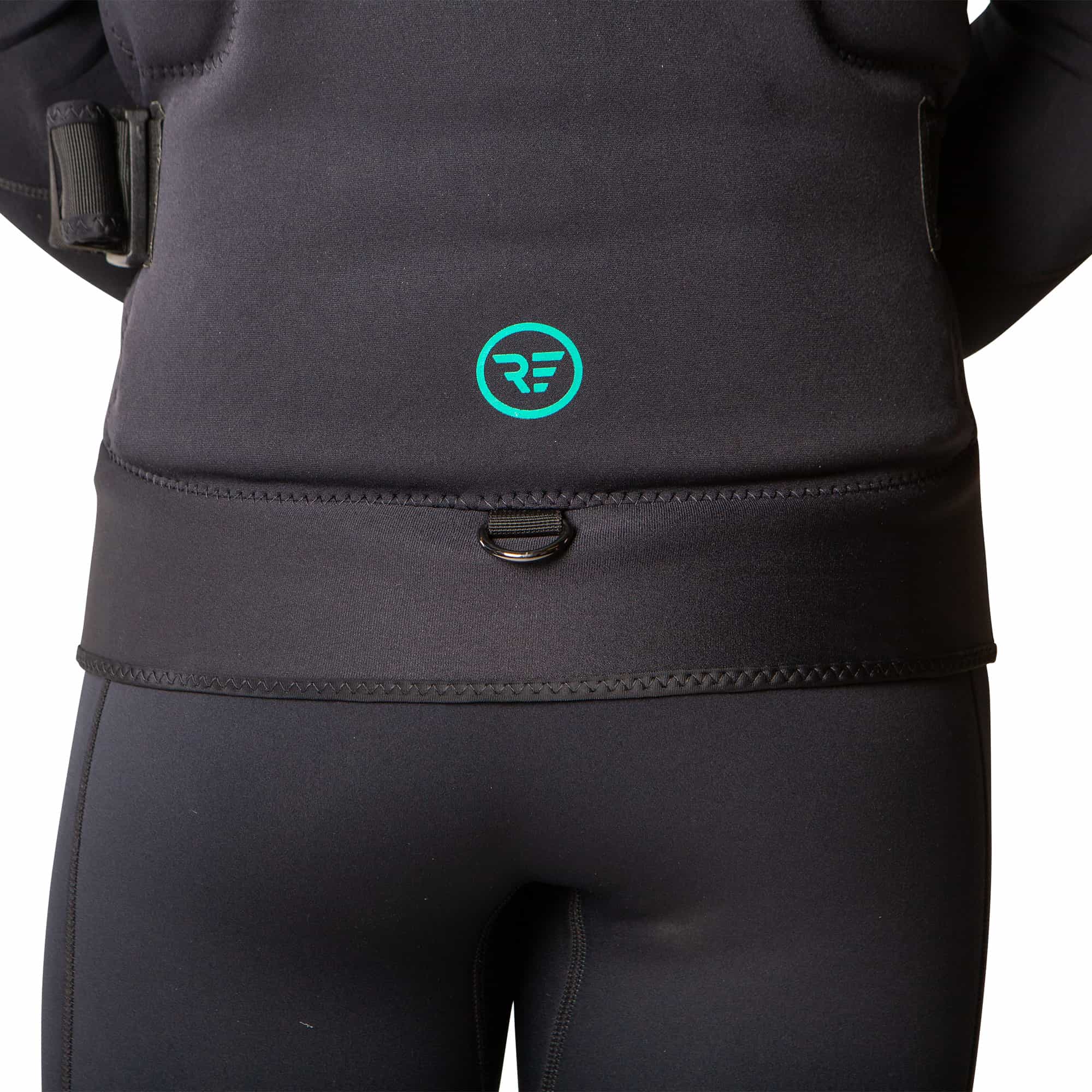
A waist harness can accommodate board and wing leash attachment options, helping free your arms from wrist leashes or your legs from calf and ankle leashes.
Considerations
A waist harness can be more prone to accidental hook-ins and may become uncomfortable if you need to paddle in certain situations.

Which One Is Right for You?
A chest harness offers excellent cross-sport compatibility, making it a great choice for athletes switching between wing foiling, downwind SUP, foil-assist sessions, or parawing. Wing foilers riding in surf conditions can especially benefit from the increased lower-body freedom and the option to use a waist-mounted wing leash, keeping the arms free for paddling.
A waist harness is a strong choice for sessions with long upwind reaches, where the lower pull point provides better leverage. It is especially effective in powered or overpowered conditions, helping manage the load from the wing. Freestyle riders may also prefer waist harnesses because they keep the upper body free for aggressive wing transfers and dynamic maneuvers.
The Bottom Line
The best harness is the one that fits your riding style, body type, and local conditions. Some advanced riders even keep both in their quiver and switch depending on wind strength, riding location, or session type.
Whether you are in it for long-distance exploration, charging surf, parawing runs, or simply maximizing time on the water, the right harness can make all the difference.