Ride Engine Air Box Mini Care Guide
Air Box Mini Maintenance and Best Practices
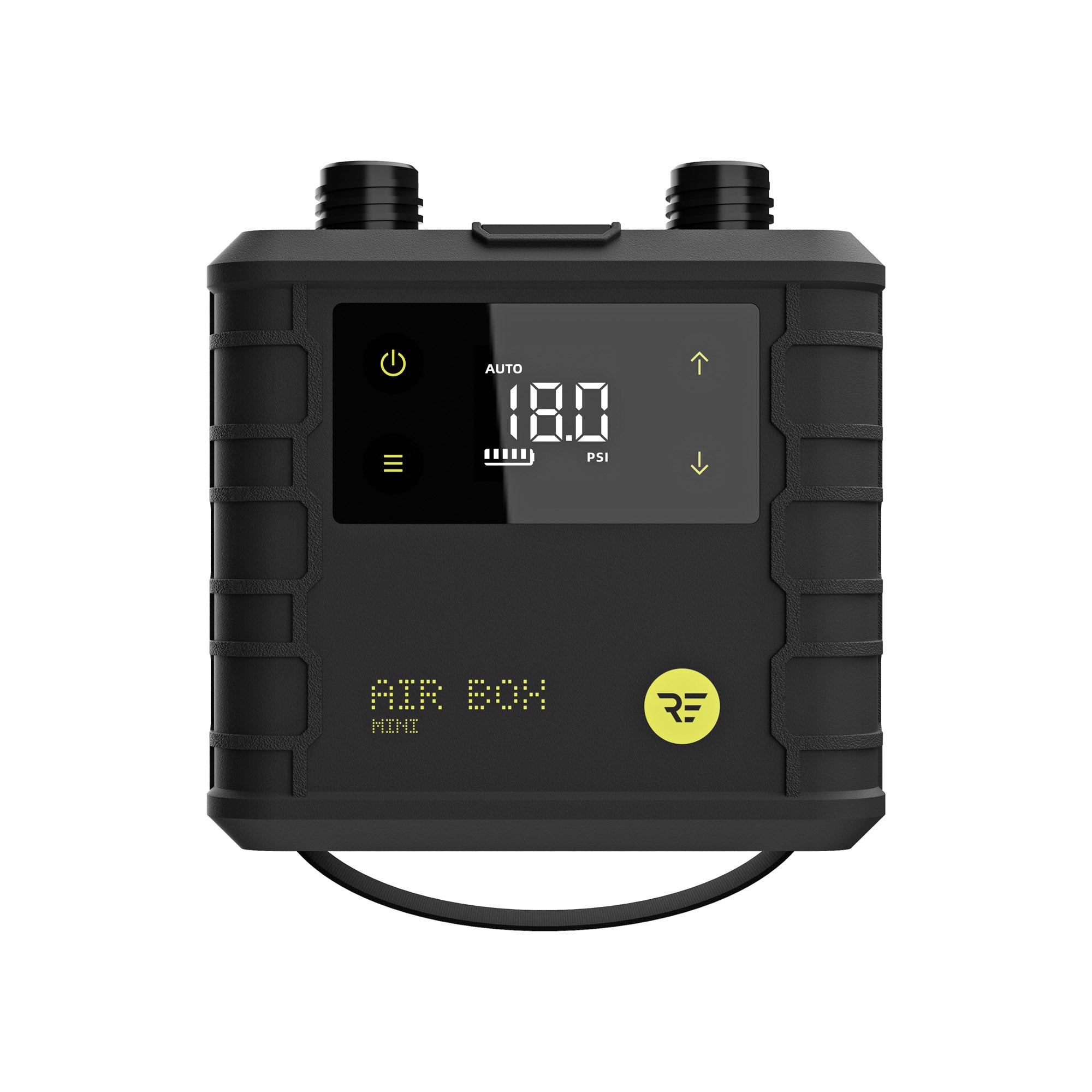
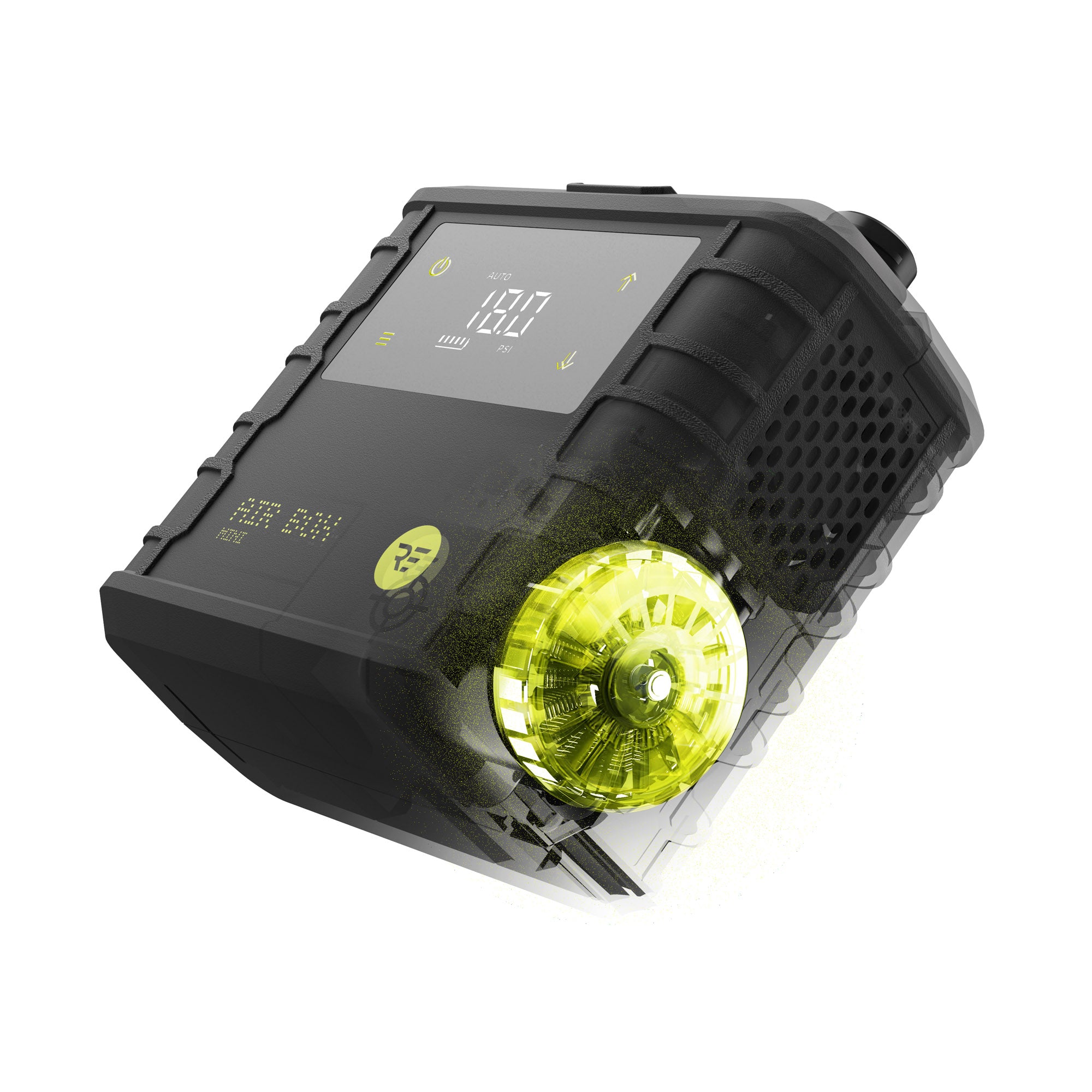
The Air Box Mini is designed to take a lot of work out of getting on the water. Connect it, set your pressure, press start, and let the pump handle inflation while you get the rest of your gear ready. Keeping it working that way does not require much maintenance.
A few basic care practices and functional checks can help prevent air leaks, unnecessary battery drain, overheating, charging errors, and problems caused by sand, moisture, or changes in the environment.
We like to break Air Box Mini care into four areas:
In Use. Charging. Travel. Storage.
Here is what we have learned from developing, testing, traveling with, and using rechargeable e pumps around the conditions that kiteboarding, wing foiling, SUP, and inflatable equipment inevitably expose them to.


In Use: A Few Seconds of Inspection Can Save a Lot of Pumping Time
Before every session, give your Air Box Mini a quick once over.
You do not need tools or a maintenance bench. You are simply looking for a few things that can affect how efficiently the pump moves air.
Check Both Hose Connections
Start with the hose.
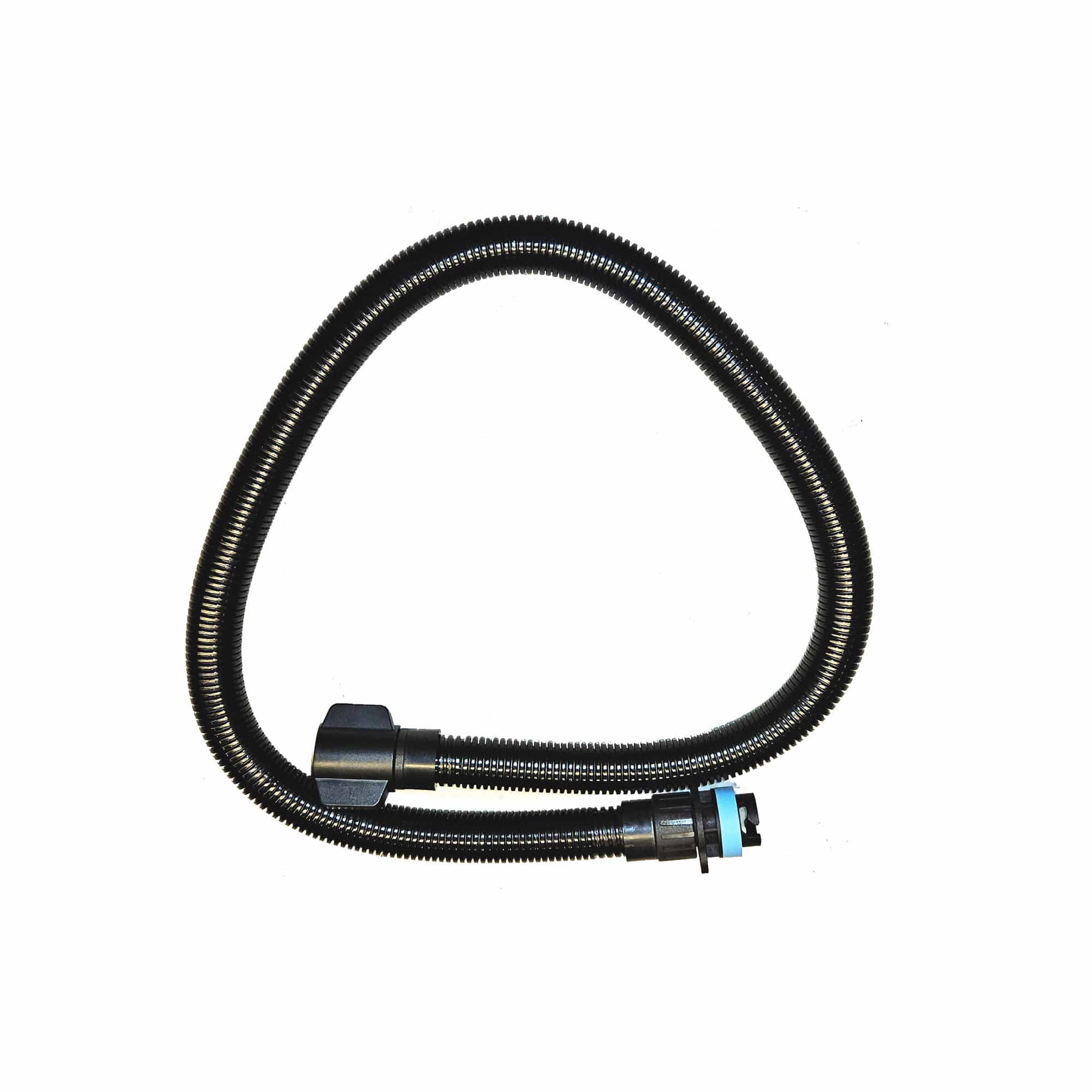
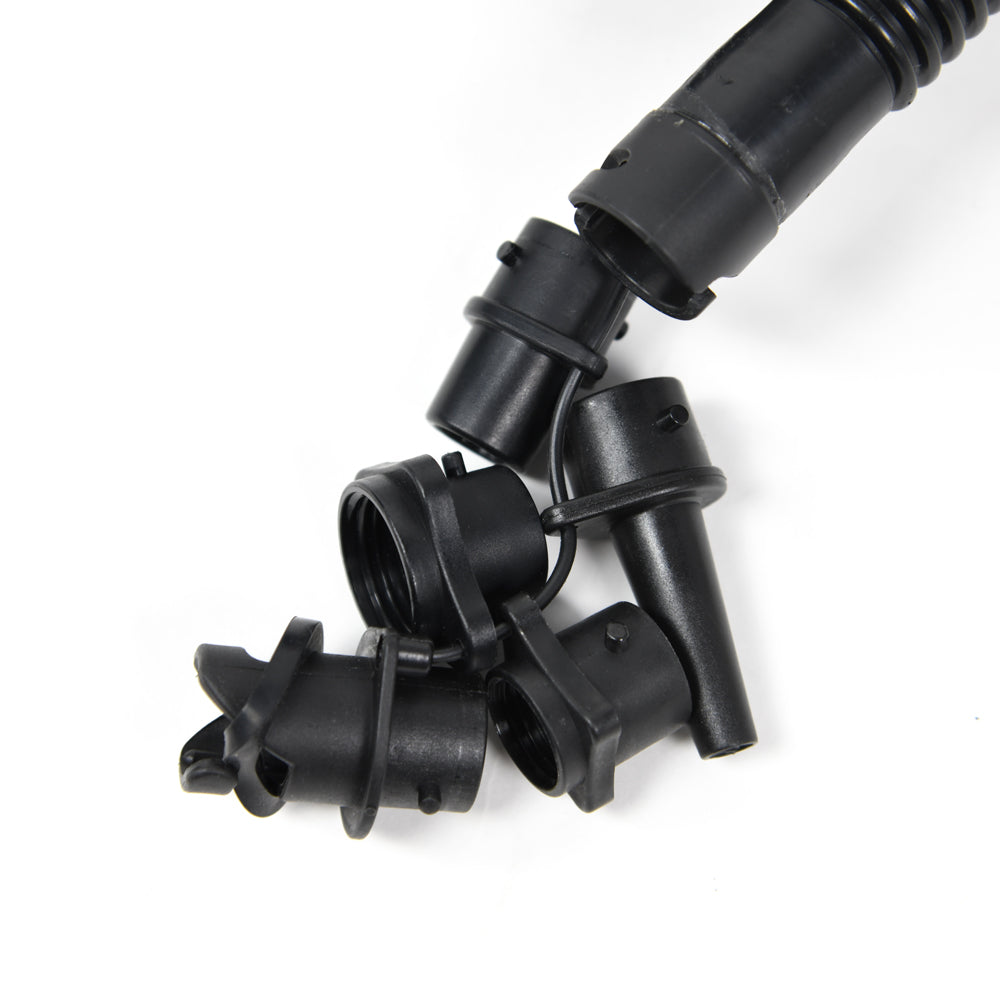
Make sure the connection between the hose and Air Box Mini is fully seated, then check the connection between the hose and nozzle.
If either connection is loose, air can escape during inflation. Even a small leak means the Air Box Mini has to run longer to reach your selected pressure, increasing inflation time and unnecessary battery consumption.
If your Air Box Mini suddenly seems to be taking longer than normal to inflate the same gear, the connections are one of the first things to check.
Check the White Rubber Gaskets
The small white rubber gaskets inside the connections play an important role in creating an airtight seal.
They are designed to stay securely in place and are difficult to lose, but it is possible for one to fall out when changing nozzles, packing equipment, or handling the hose.
Take a quick look and make sure the gasket is where it belongs. A missing gasket can allow air to escape, leading to longer inflation times and premature battery drain.
Small part. Big job.
Use the Right High Pressure Valve Gasket
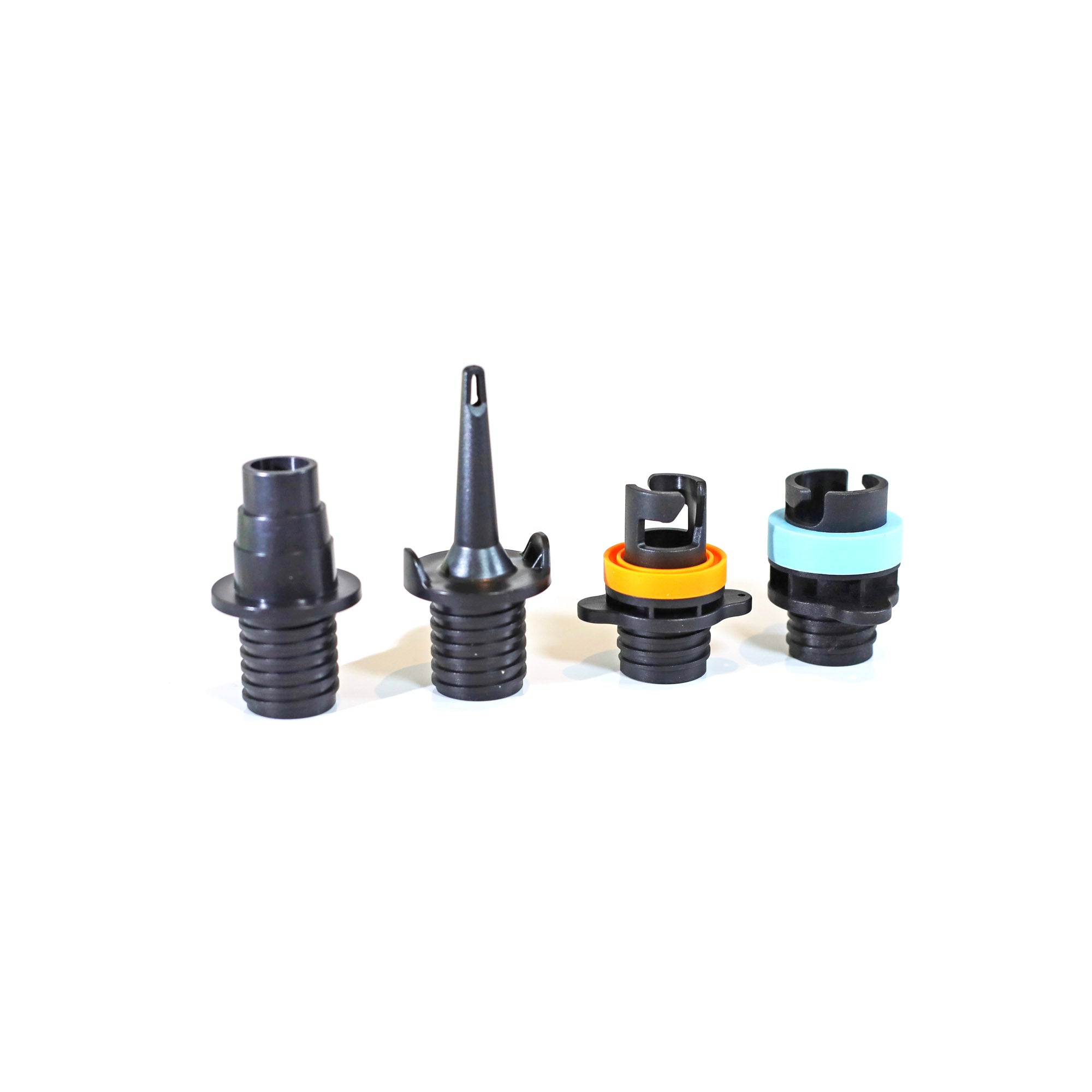
The Air Box Mini includes an additional thinner gasket for the high pressure nozzle because valve dimensions can vary between inflatable products.
Start with the standard, thicker gasket that comes installed on the high pressure nozzle.
If twisting the nozzle into the valve requires excessive force, try the thinner gasket. The connection should be secure, but it should not require a wrestling match to install.
After switching to the thinner gasket, start inflation and check the connection. If air escapes around the valve, go back to the thicker gasket.
The goal is simple: a secure connection without excessive installation force and without air leakage.

Inflation Taking Too Long? Check for Leaks First
Before assuming something is wrong with the pump, work through the entire air path.
Check:
- The hose connection at the Air Box Mini
- The hose connection at the nozzle
- The nozzle connection at the inflatable valve
- The white sealing gaskets
- The condition of the hose
- The valve on the equipment being inflated
A simple connection issue is much easier to solve than a pump issue, so start with the basics.
Keep the Air Intake Clear
The Air Box Mini moves a significant volume of air, and it needs unrestricted airflow to do it efficiently.
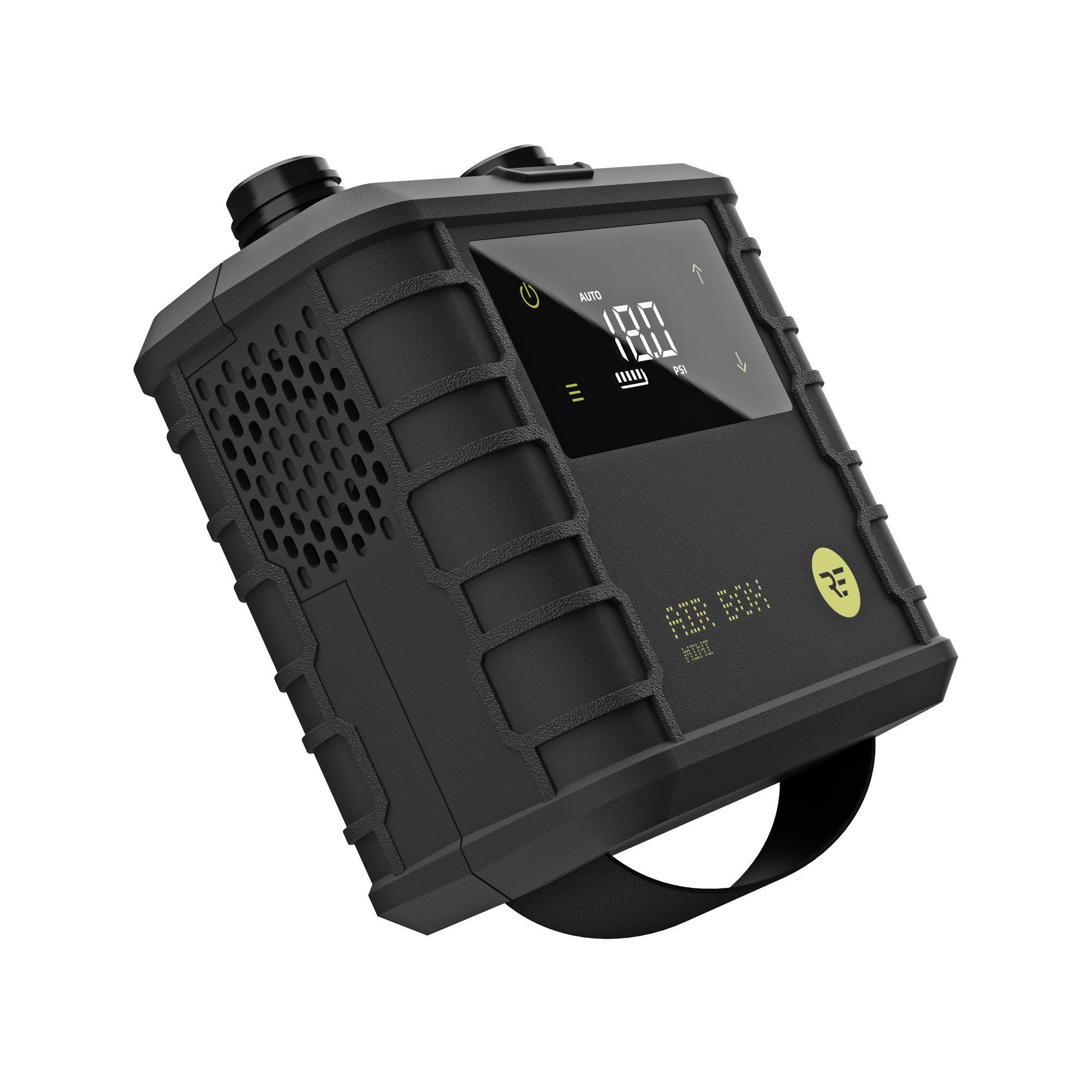
During inflation, always make sure the intake remains open. The deflation connection functions as the air intake during inflation.
This is especially important when inflating kites and wings. Loose canopy material can move toward the pump and get sucked against the intake, restricting airflow.
If you place the Air Box Mini inside the canopy of a kite or wing during inflation, position it so there is adequate space around the intake.
Prolonged restriction of airflow can increase operating temperature and may cause the Air Box Mini to enter a protection mode. Give it room to breathe.


Sand and Electronics Are Not Friends
Wind sports happen in windy places. Windy places tend to move sand.
Unfortunately, the Air Box Mini needs to move air, which means airborne sand and dirt can potentially find their way toward the intake.
Whenever possible, limit how long the Air Box Mini is exposed to blowing sand, dust, and dirt.
Do not leave it sitting in the middle of a sandy rigging area when you are not using it. Put it back in its bag, vehicle, or another protected location.
The goal is not to baby the pump. It is simply to avoid unnecessary exposure to conditions that can eventually cause problems with any piece of mechanical and electronic equipment.
Keep It Dry
The Air Box Mini is designed for water sports.
It is not waterproof.
Avoid rain, standing water, direct saltwater spray, and prolonged exposure to damp environments. If the exterior becomes wet, wipe it dry as soon as practical.
One of the easiest mistakes happens after the session. Everything is wet, everyone is tired, and the pump gets thrown into the same bag as the wetsuits.
Wet gear and rechargeable electronics should have separate living arrangements.
Make Sure You Are Using the Inflation Port
Your Air Box Mini is running, but your kite, wing, or inflatable board is not getting any bigger.
Before beginning a deep diagnostic investigation, check the hose.
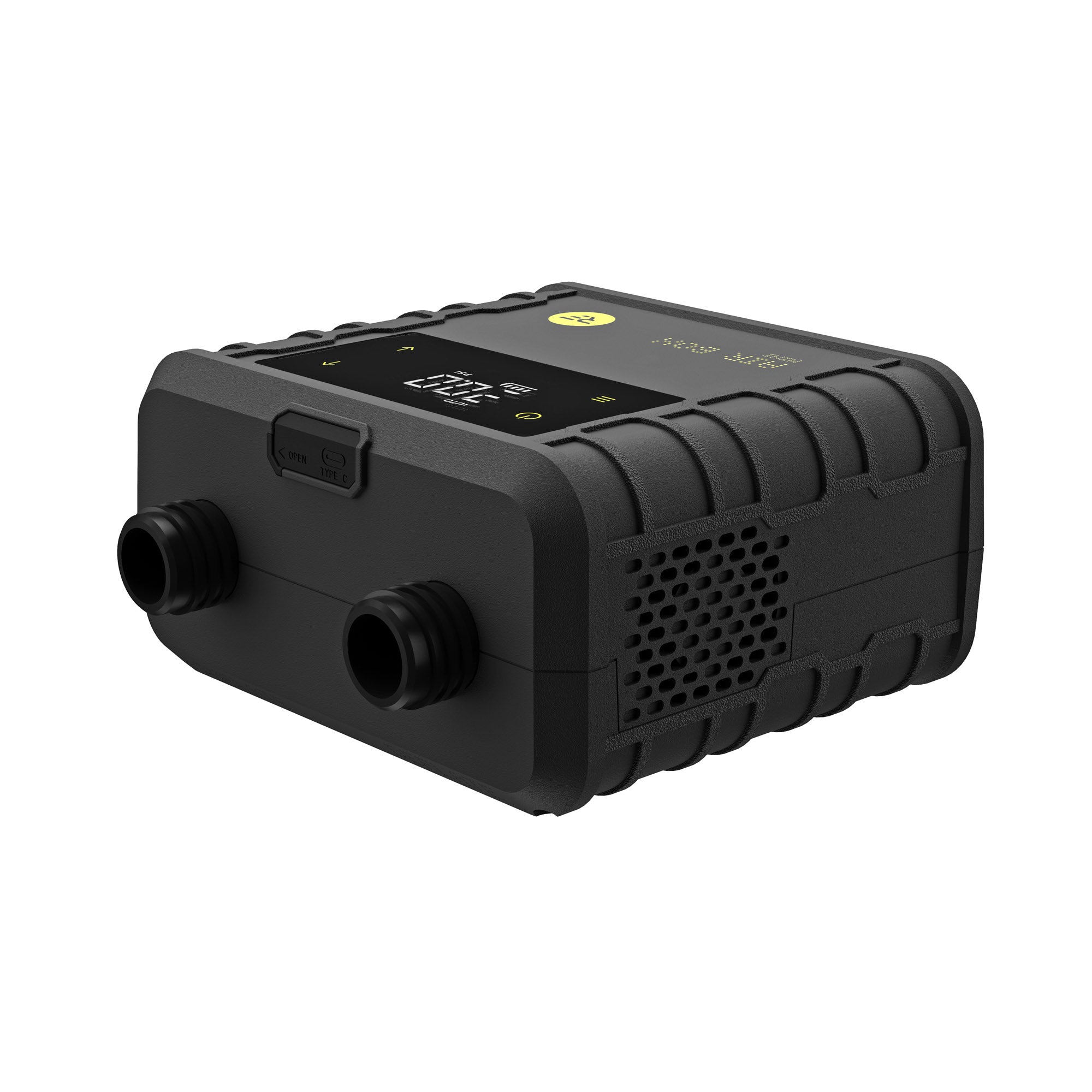
The Air Box Mini has both an inflation connection and a deflation connection. Make sure the hose is connected to the inflation port when you want air going into your equipment.
Yes, it happens. And yes, it is a very easy problem to fix.
Give the Pump a Break During Heavy Use
The Air Box Mini is capable of inflating multiple products, but continuous operation generates heat.
If you are running through a large number of kites, wings, SUPs, or other inflatables, give the unit adequate ventilation and some recovery time when appropriate.
If something does not sound, feel, or behave normally, stop and investigate rather than forcing the pump to continue.

Charging: Take Care of the Battery That Does the Work
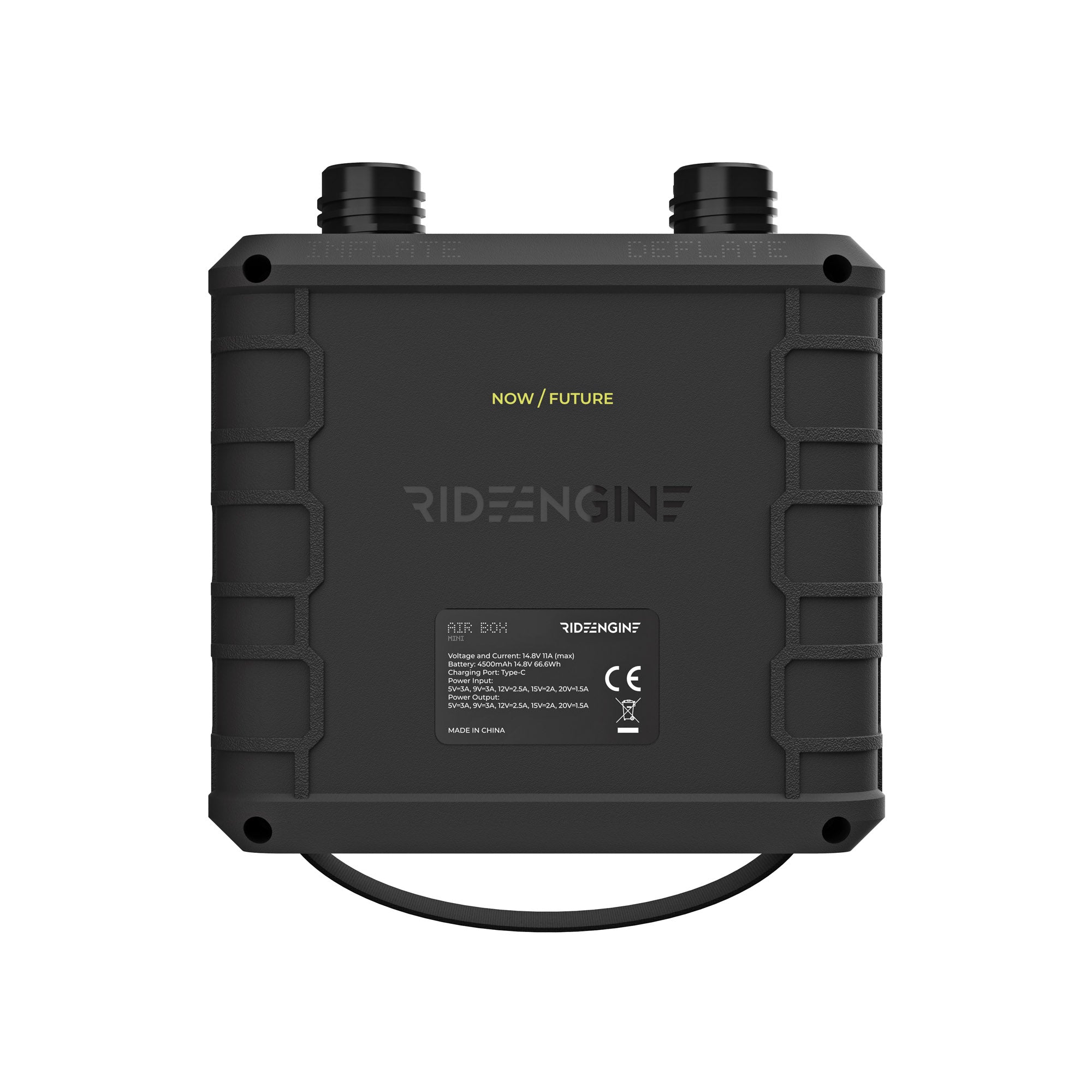
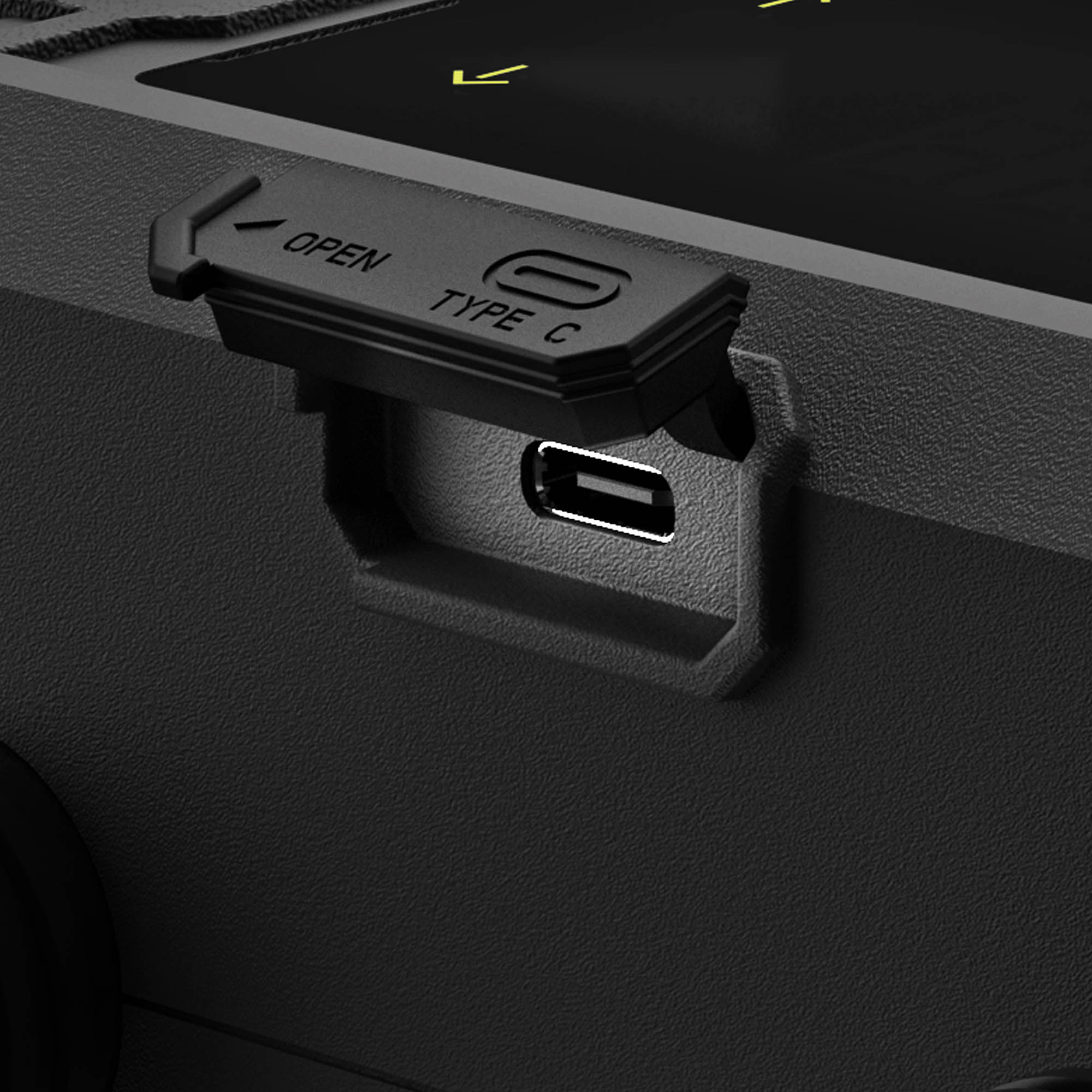
The Air Box Mini uses a rechargeable lithium ion battery and charges through USB C. We recommend using a quality USB C charging brick rated under 70 watts.
You can recharge the Air Box Mini after every use if you want it ready to go at all times.
There is also value in occasionally using more of the available battery capacity rather than automatically topping it off after every short inflation session.
From time to time, allow the battery level to drop to approximately 20 percent, then initiate a full recharge.
Most importantly, avoid repeatedly allowing the Air Box Mini to sit completely discharged.
Use a Quality Charging Adapter
Not every USB charging source delivers power equally well.
Use a quality wall adapter and charging cable that can provide stable charging current. We recommend a charging source and cable capable of at least 5 volts and 2 amps for certain charging conditions.
Avoid damaged cables, questionable adapters, and low quality charging equipment.
If the Air Box Mini displays a charging error or enters a protection mode while charging, one of the first things to try is a different quality wall adapter and cable.
Sometimes the pump is not the problem. The electricity feeding it is.
Be Careful With Vehicle and Camper Charging Systems
Charging on the road is convenient, but 12 volt systems in recreational vehicles, camper vans, boats, and older vehicles can vary considerably in how consistently they deliver power through their USB connections.
If the Air Box Mini does not charge correctly from a vehicle-based USB port, or displays an error during charging, move to a known quality USB C wall adapter before assuming there is a problem with the pump.
Do Not Operate the Air Box Mini While Charging
Charging time is charging time.
Do not operate the pump while it is connected to a charging source. Finish the charge, disconnect the cable, then go inflate.

Travel: The Air Box Mini Was Built to Go Places
One of the biggest benefits of the Air Box Mini is its size.
Kiteboarding and wing foiling tend to lead to airplanes, rental cars, camper vans, mountain passes, ferries, remote beaches, and places where finding a functional hand pump can become surprisingly difficult.
The Air Box Mini was designed to travel with you.
Flying With the Air Box Mini
The Air Box Mini contains a lithium ion battery and can also function as a portable battery source through its USB C connection.
For air travel, the Air Box Mini must be in your carry-on luggage rather than your checked equipment bag.
Airline and international regulations can vary, so check before every major trip rather than assuming the rules are the same everywhere.
Also make sure the Air Box Mini is powered off and protected from accidental activation during transport.
Arrived Somewhere New? Check the Pressure Sensor
Air travel changes atmospheric pressure. So does driving from sea level into the mountains.
These changes can occasionally affect the Air Box Mini pressure sensor's zero reference.
If the pressure display does not appear correct after travel, resetting the sensor is simple.
Press and hold the up and down pressure buttons together until RES appears on the screen. Continue holding for approximately five seconds.
This is useful to remember when you land somewhere after a long flight, especially if your first reaction is, "It worked perfectly at home."
The pump may simply need to understand where home is now.


Storage: Dry, Protected, and Ready for the Next Session
Storage is easy.
Keep the Air Box Mini somewhere dry, protected, and away from extreme conditions.
Avoid storing it in:
- A bag with a damp wetsuit
- A wet kite or wing bag
- The bottom of a vehicle where water collects
- Direct sunlight for extended periods
- An excessively hot vehicle whenever reasonably avoidable
- A damp garage or storage compartment
Before putting the Air Box Mini away, make sure the exterior is dry and inspect the intake for visible sand or debris.
For longer-term storage, do not put the unit away with a depleted battery. Start with a healthy charge, periodically check the battery level, and recharge when needed so the pump is ready when it comes back into regular use.
A 30 Second Air Box Mini Check
You do not need to perform a complete inspection every time you head to the beach.
Before inflation, simply ask yourself:
- Hose secure?
- Gaskets in place?
- Correct nozzle?
- No air leaks?
- Intake clear?
- Battery charged?
- Pump dry and clear of sand?
Thirty seconds of checking can prevent many of the issues that lead to slower inflation, unnecessary battery consumption, charging problems, and interrupted sessions.
If Something Does Not Seem Right, Stop and Check
The Air Box Mini has built-in protection systems designed to protect the unit when certain operating conditions fall outside the normal range.
If you see an error message, the pump becomes unusually hot, inflation suddenly takes significantly longer, or you hear an abnormal sound, stop using it and investigate.
Start with the simple things:
- Connections
- Gaskets
- Hose
- Air intake
- Charging source
- Battery level
- Pressure sensor
The official Air Box Mini Quick Start Guide includes troubleshooting information and error codes for charging current, pump current, battery condition, and internal temperature.
If the issue persists after basic troubleshooting, contact Ride Engine support rather than continuing to operate the unit.
Take Care of the Pump That Saves Your Arms
The Air Box Mini does not require complicated maintenance.
Keep the air path sealed. Keep the intake open. Keep the sand out. Keep the water away. Use a quality charger. Travel with it correctly. Store it dry. And pay attention when something does not seem normal.
These are small habits, but they can make a meaningful difference in how consistently your Air Box Mini performs session after session and trip after trip.
The Air Box Mini was designed to make inflation one of the easiest parts of getting on the water.
A little care helps keep it that way.