Ride Engine Harness Care Guide
How to Inspect Your Harness and Know When It Is Time to Replace It
A well-maintained kiteboarding or windsurfing harness can deliver years of dependable performance. But because your harness is a load-bearing piece of equipment, regular inspection is just as important as rinsing, drying, and storing it correctly.
Rinsing your harness with fresh water, drying it out of direct sunlight, and storing it correctly all help protect the materials from salt, sand, heat, and unnecessary wear.
But maintenance is only part of the equation.
Your harness connects you directly to the power of your kite or sail. As it accumulates sessions, exposure, and travel, its materials and components should be inspected regularly. Some signs of use are purely cosmetic. Others can affect comfort, fit, performance, or security.
This guide explains what to examine, which components may be replaceable, and how to recognize when it is time to retire the complete harness.
There Is No Universal Expiration Date
Harness lifespan cannot be measured by age alone.
Someone logging more than 150 sessions each year in salt water and strong sunlight will place very different demands on a harness than someone getting on the water a few weekends each season. Storage, travel, climate, session intensity, and proper care all influence how quickly materials wear.
Instead of replacing a harness according to a fixed calendar, evaluate its actual condition. A thorough inspection at the beginning of each season is a good starting point, with quick visual checks before every session.


Inspect the Harness Shell
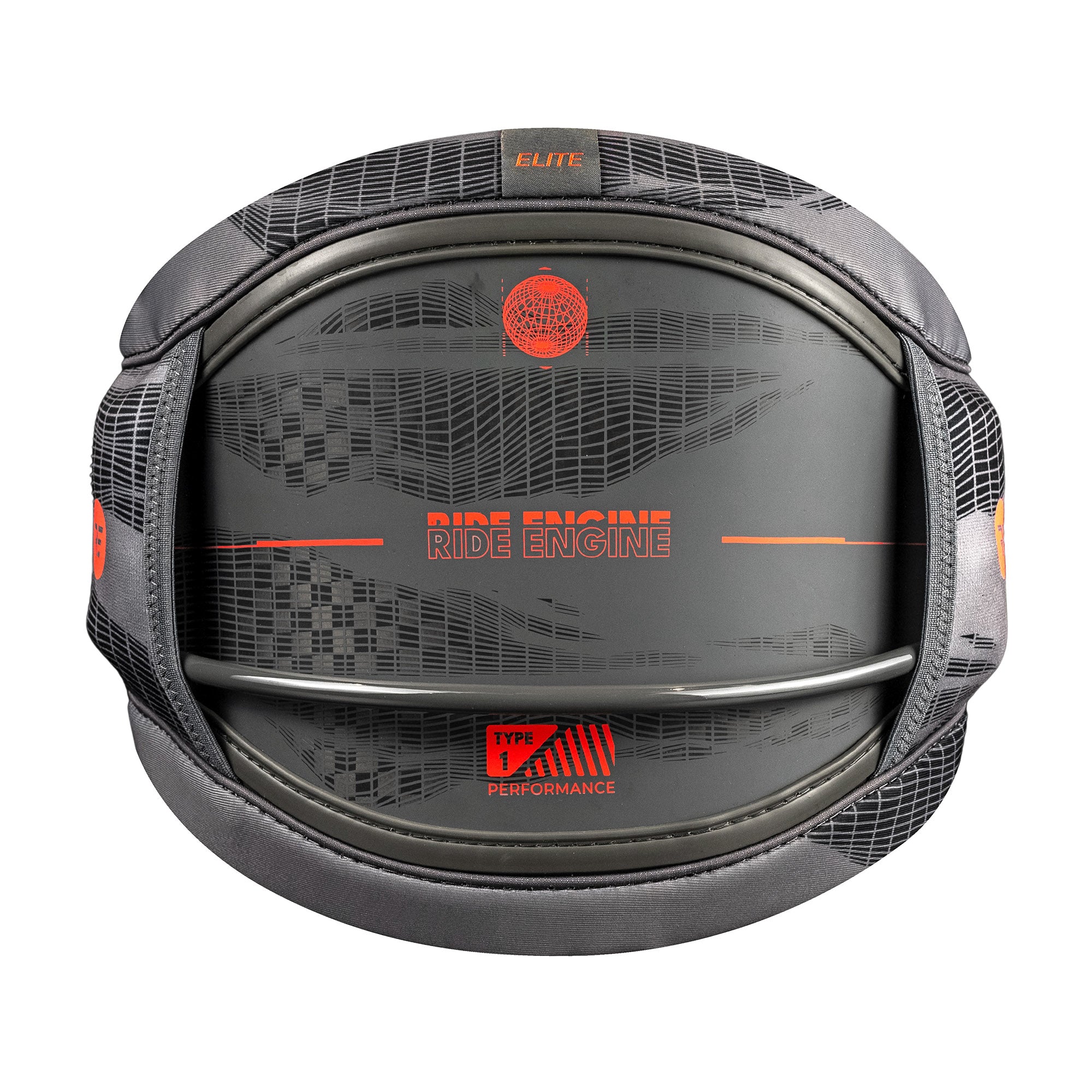
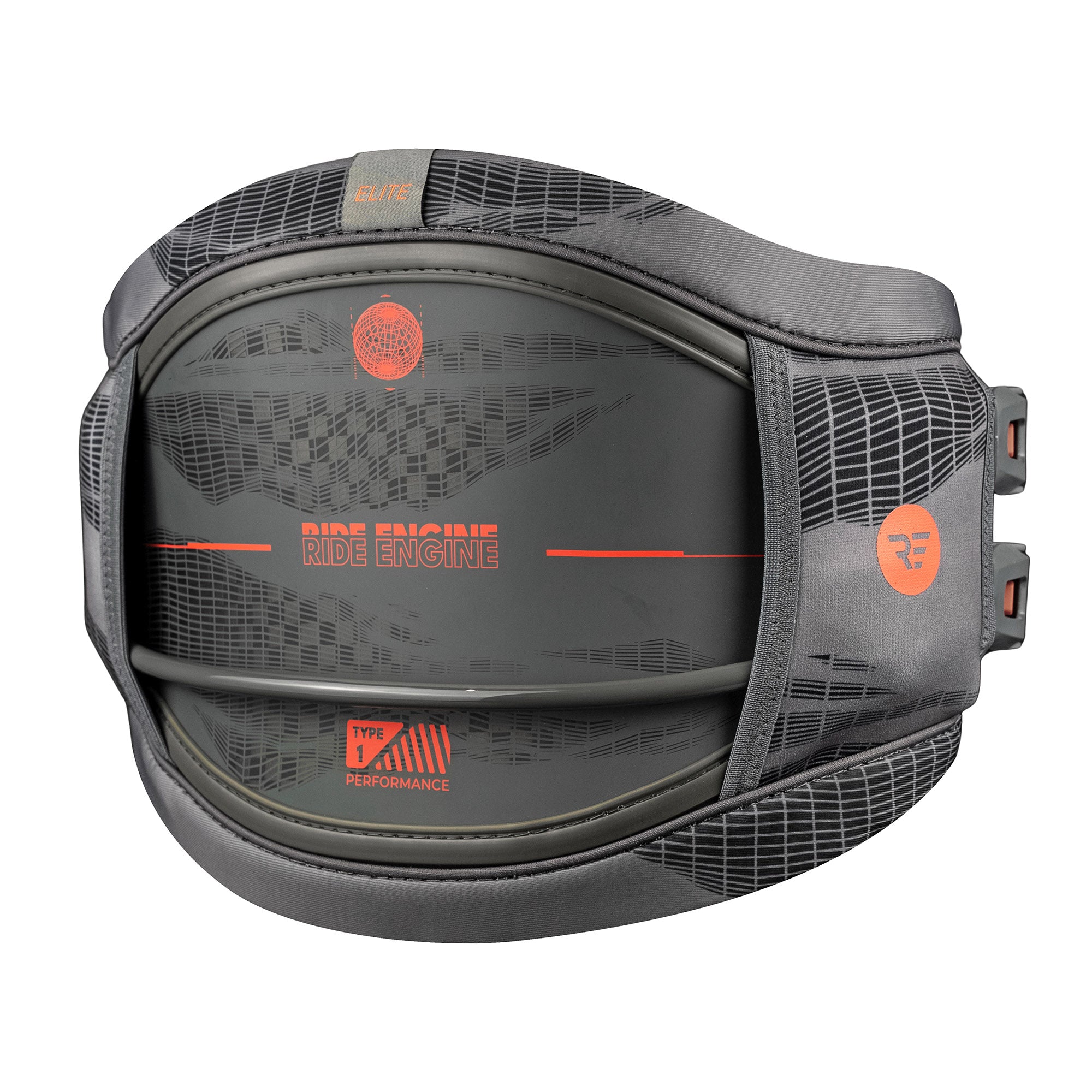
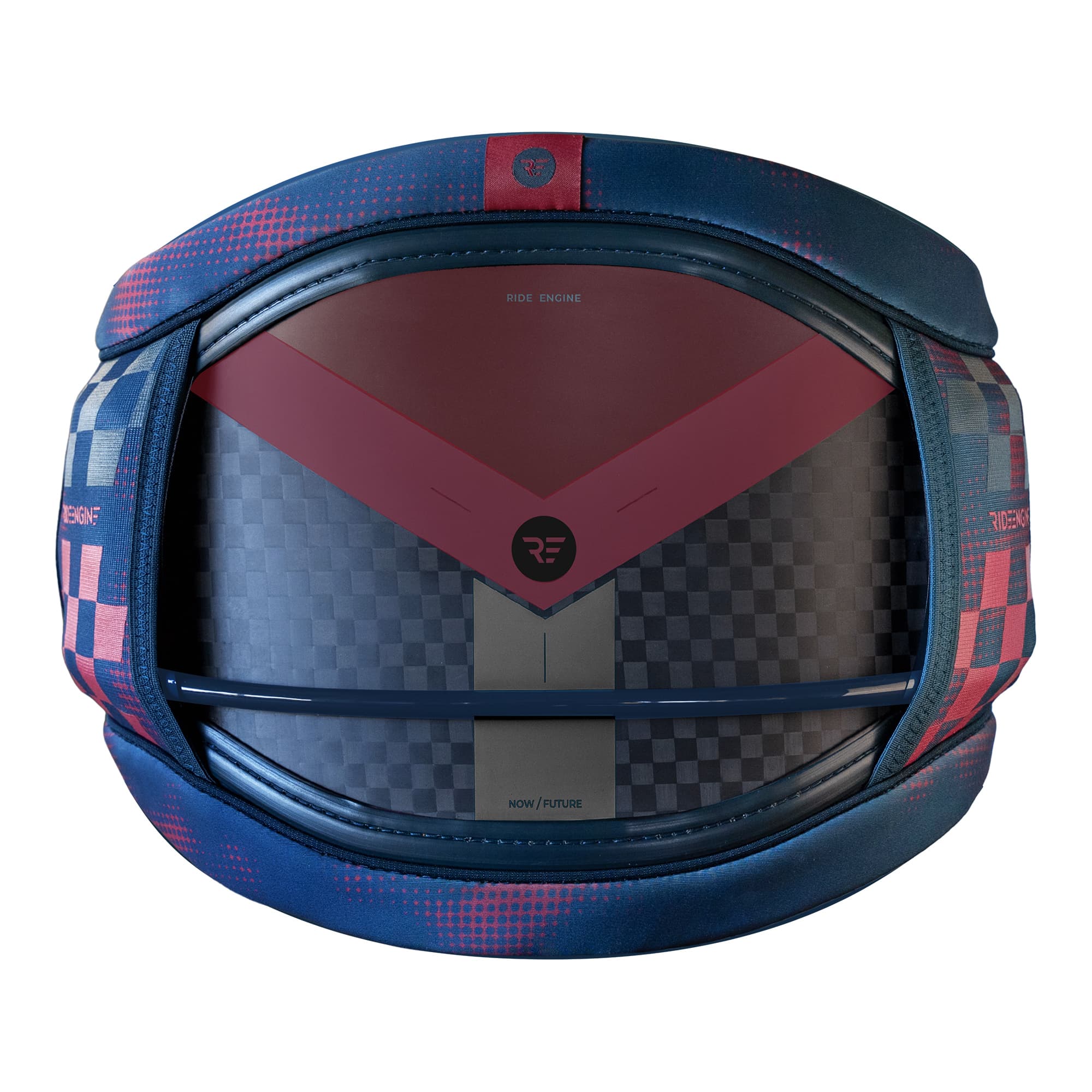
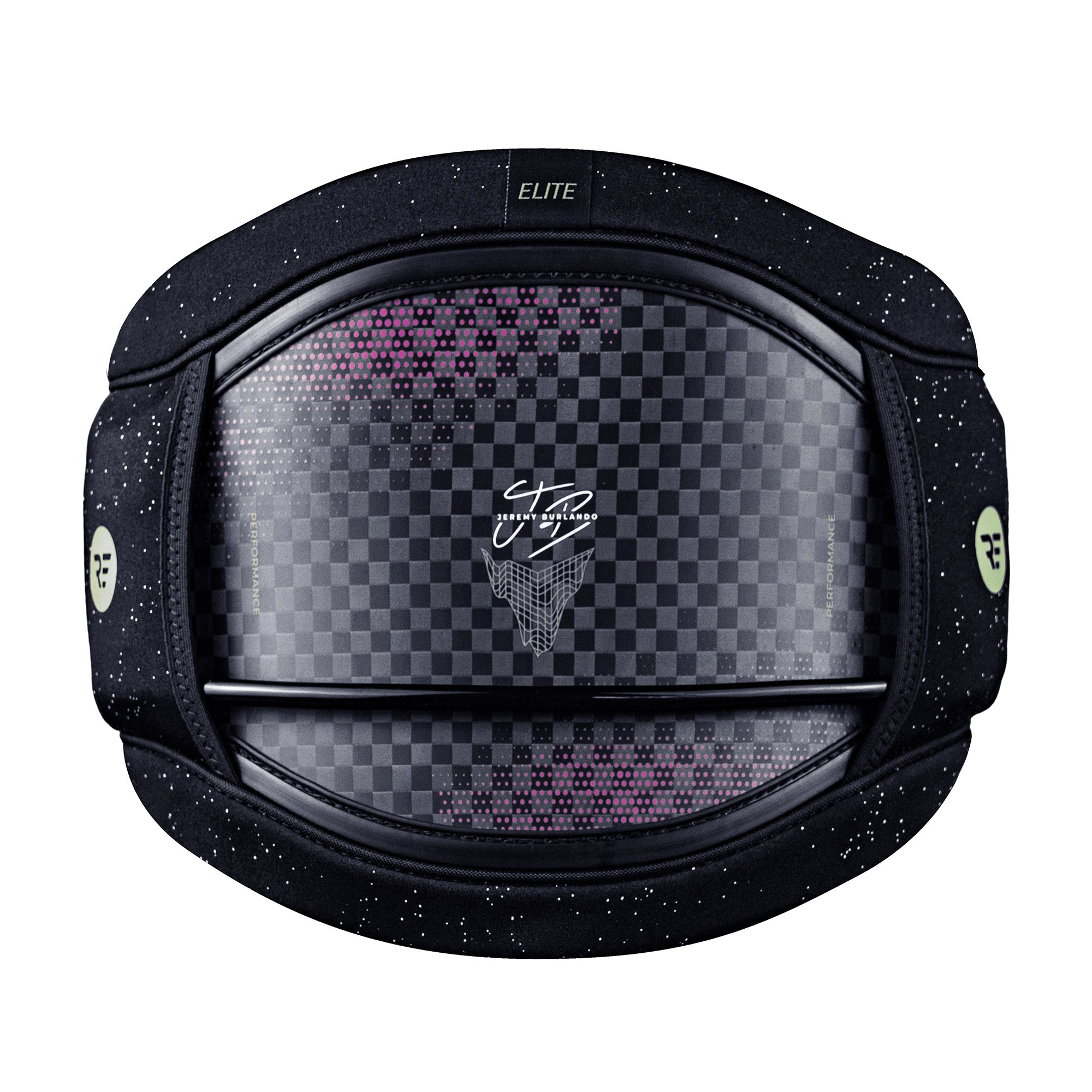
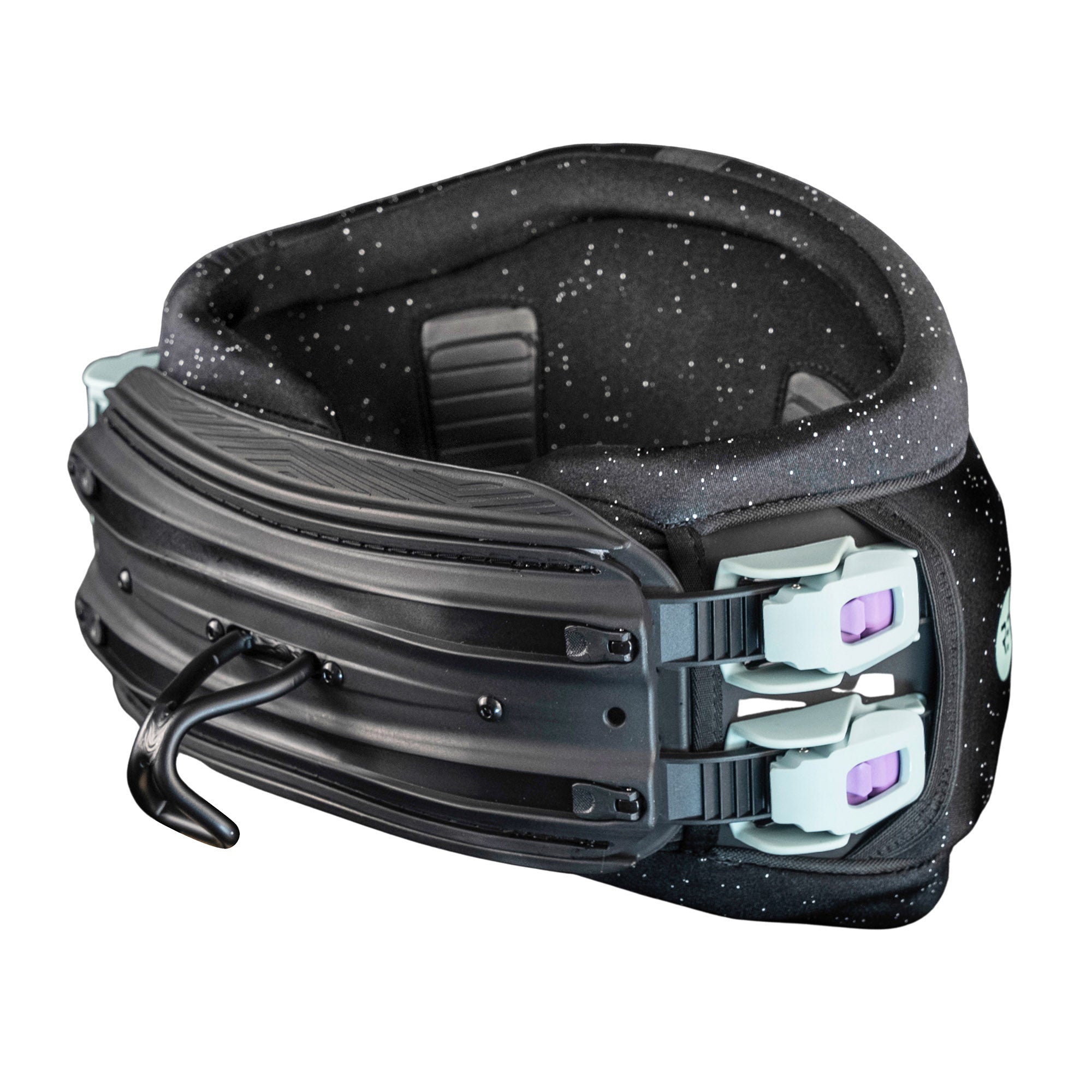
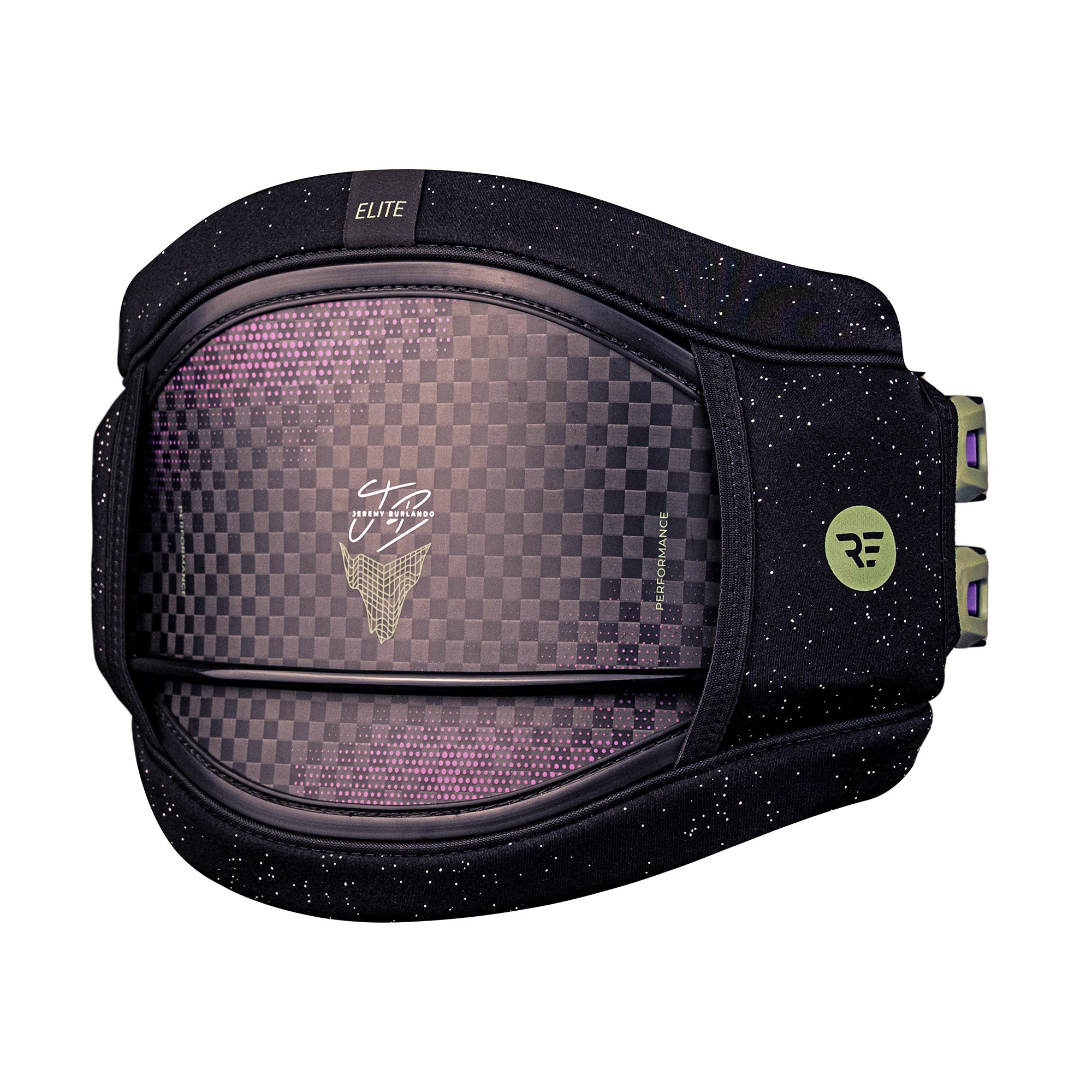
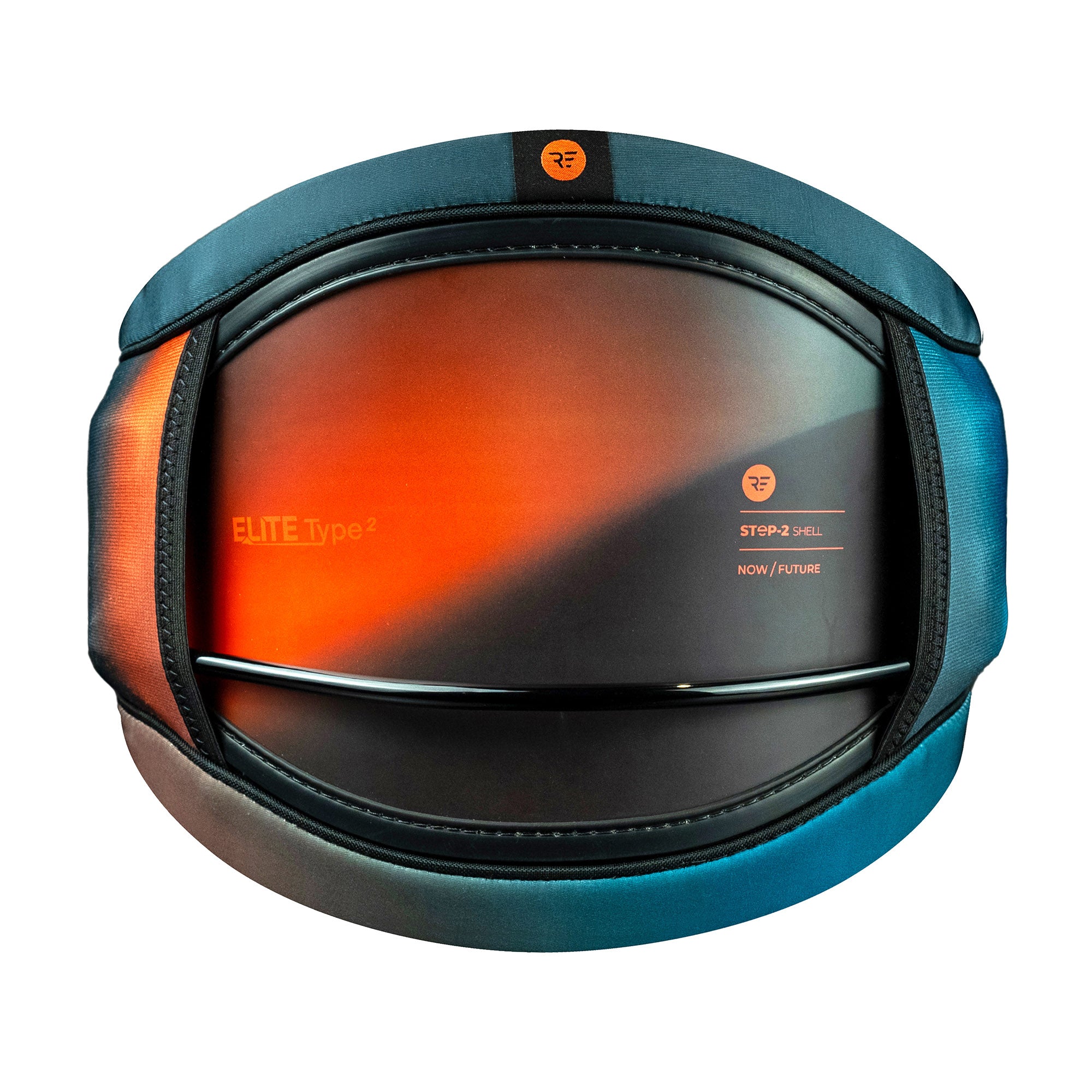
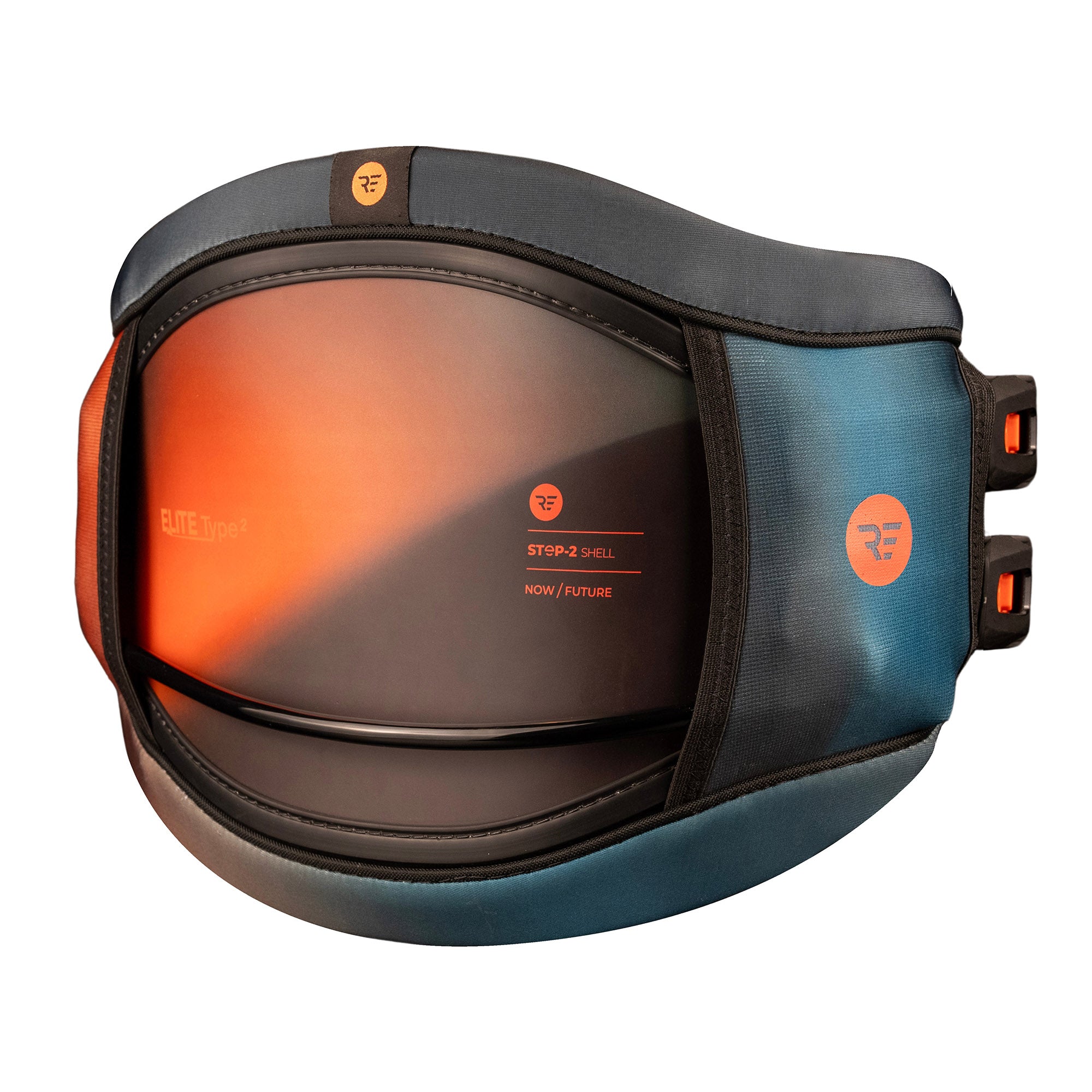
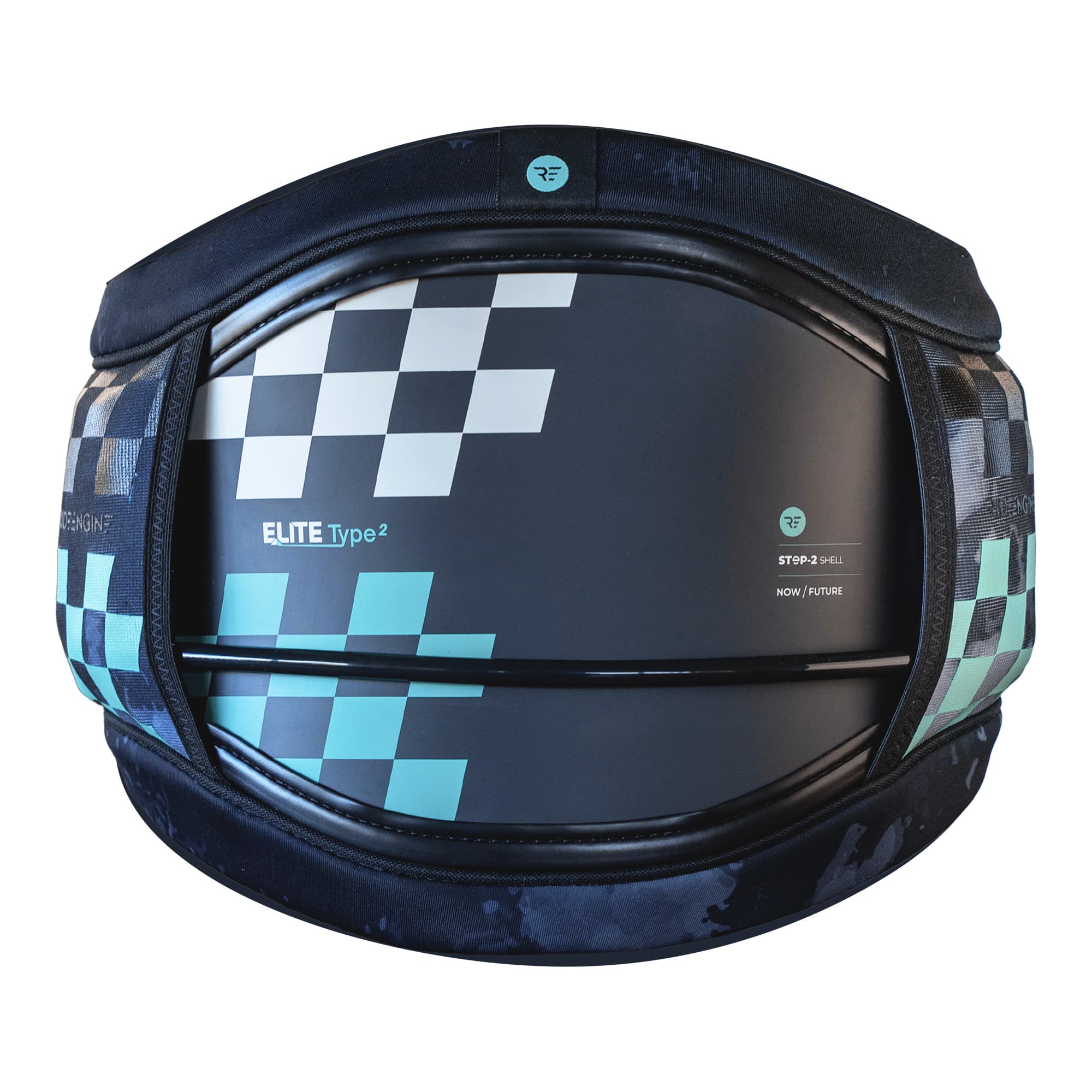
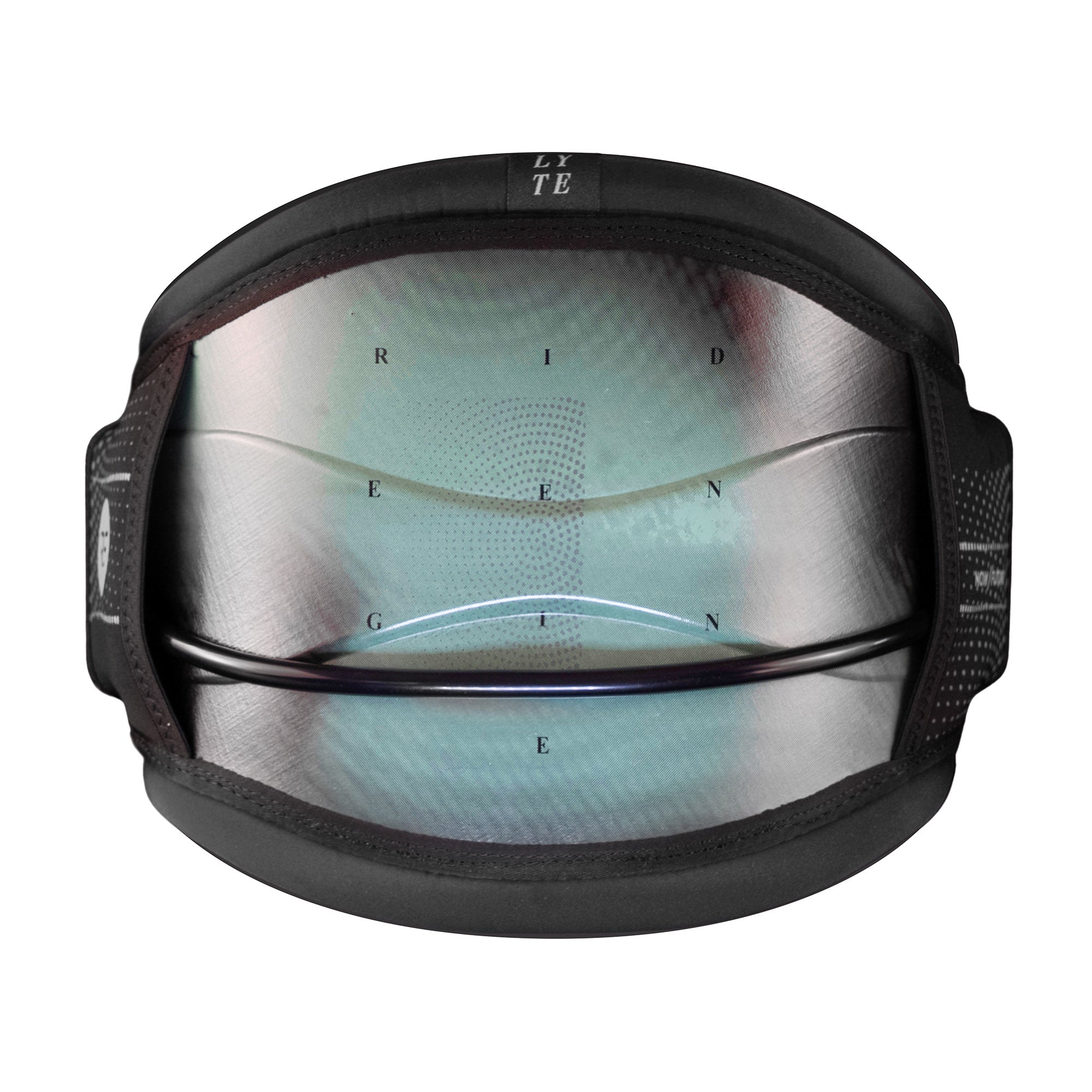
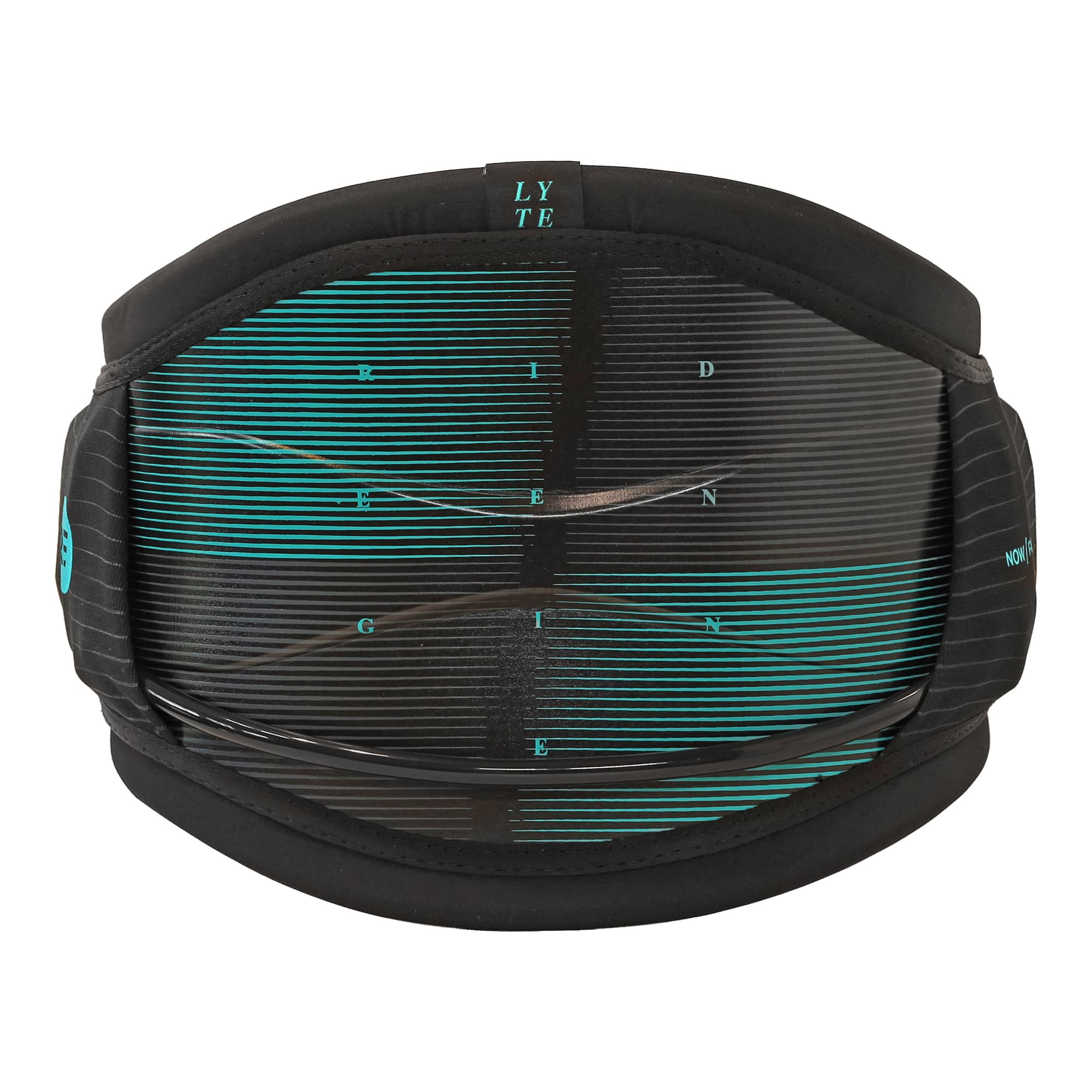
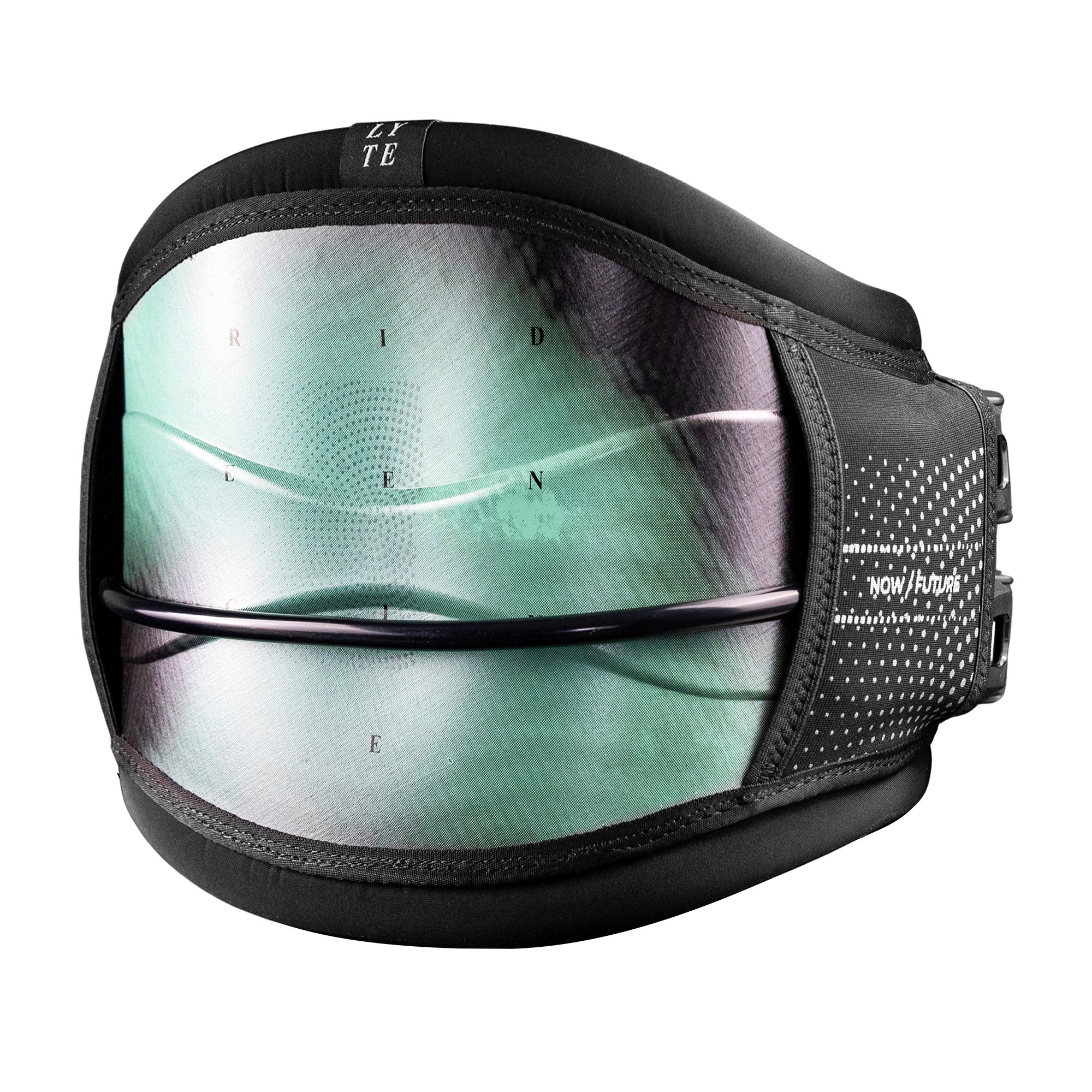
The shell provides the structure and support that define how a harness fits and performs. Begin by looking closely at both the exterior and interior of the harness.
Check for:
- Cracks in the shell or structural materials
- Deep creases that remain after the harness is unloaded
- Areas that feel unusually soft or flexible
- Separation between the shell, padding, and exterior materials
- Significant changes in the original shape
Minor surface marks are expected on equipment that gets used. Structural cracking, delamination, or a noticeable loss of support deserves greater attention.
Compare both sides of the harness. Uneven flex or distortion may indicate that one area has experienced greater stress or material fatigue.

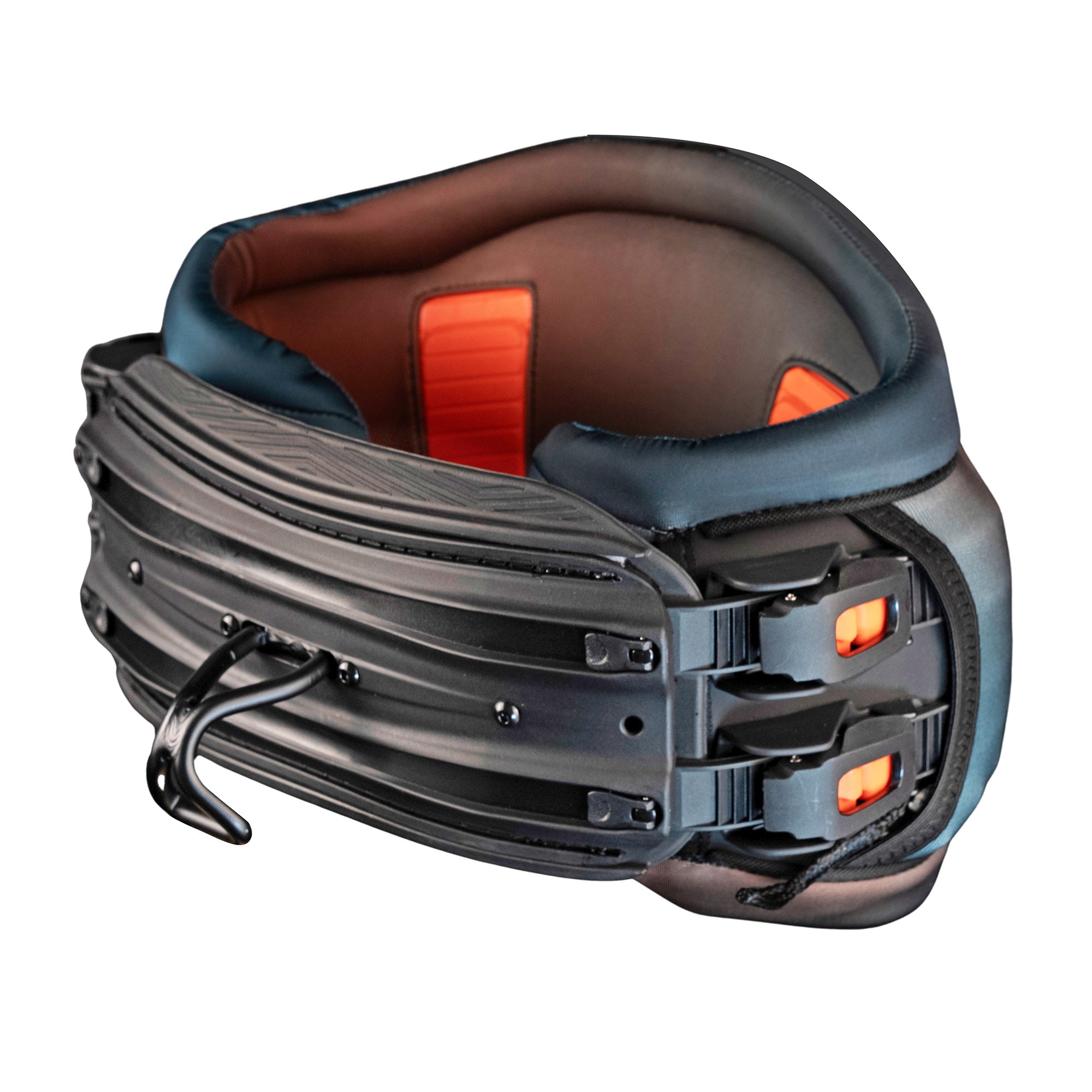
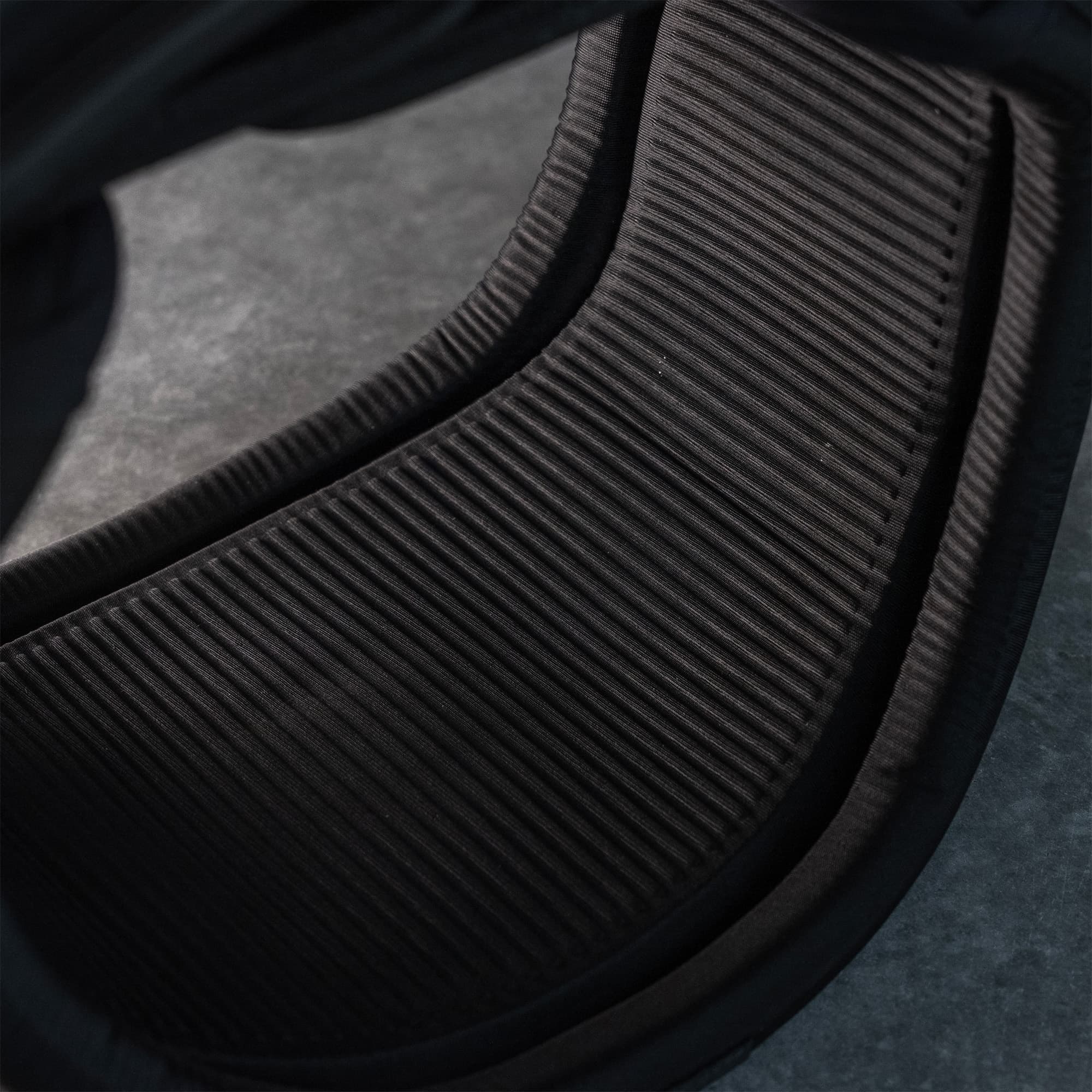
Examine the Interior Padding
The interior padding creates the contact surface between the harness and your body. Over time, repeated compression can reduce its ability to distribute pressure comfortably.
Look for:
- Foam that remains permanently compressed
- Torn or separating interior panels
- Exposed edges or abrasive areas
- Padding that has shifted out of position
A harness may still appear intact externally while the interior has lost much of its original cushioning. If pressure points, rubbing, or discomfort begin appearing in places that were previously comfortable, compressed padding could be the cause.
Check the Webbing and Stitching
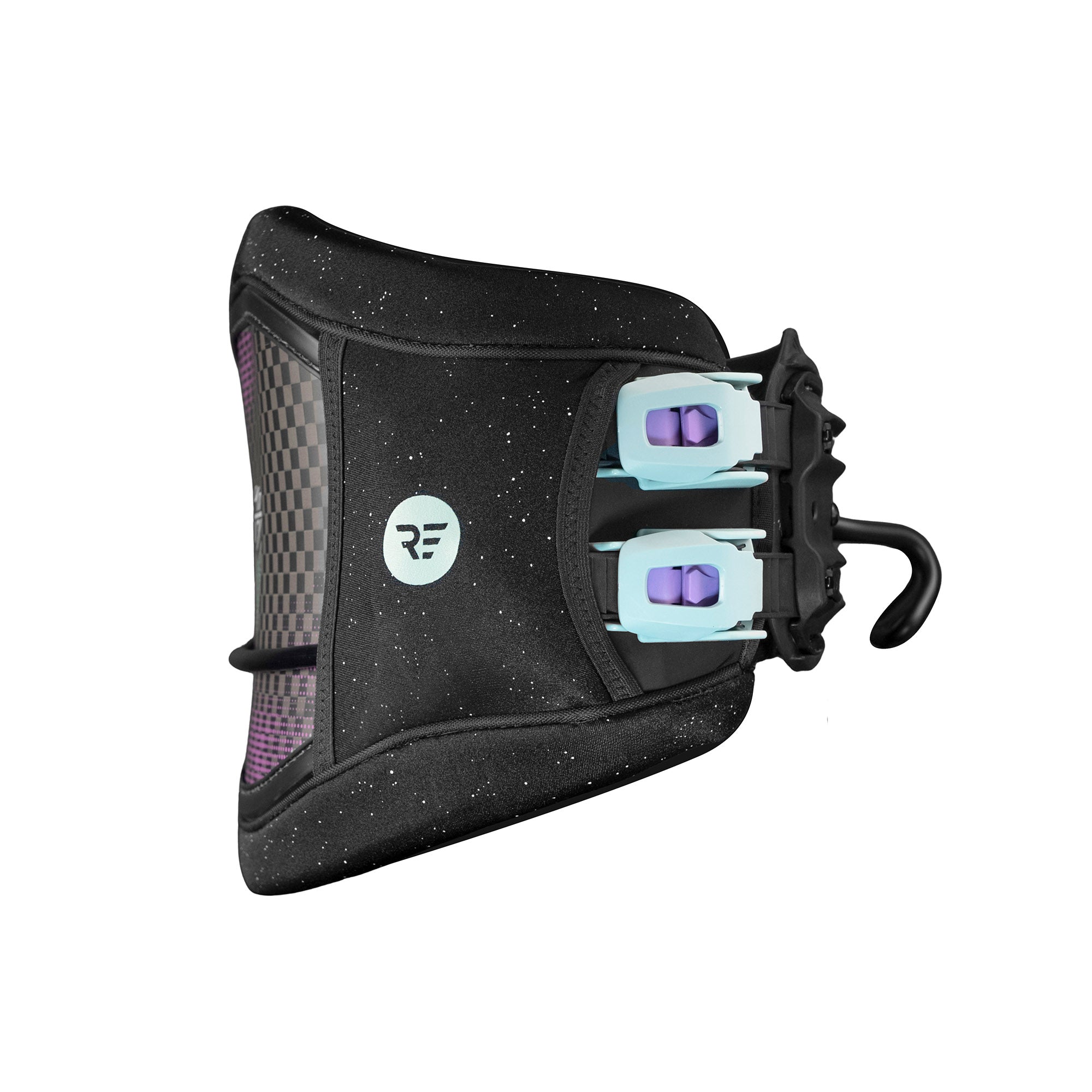
Webbing transfers significant loads through the harness and into the spreader bar. Inspect its full visible length, not just the areas closest to the adjustment system.
Pay particular attention to:
- Fraying along the edges
- Cuts or deep abrasions
- Webbing that has become unusually thin or stiff
- Loose or damaged stitching
- Elongated attachment points
- Discoloration combined with a change in texture
Light surface fuzz can develop through normal use. Deep fraying, broken fibers, or damaged stitching should not be ignored, especially near load-bearing connection points.
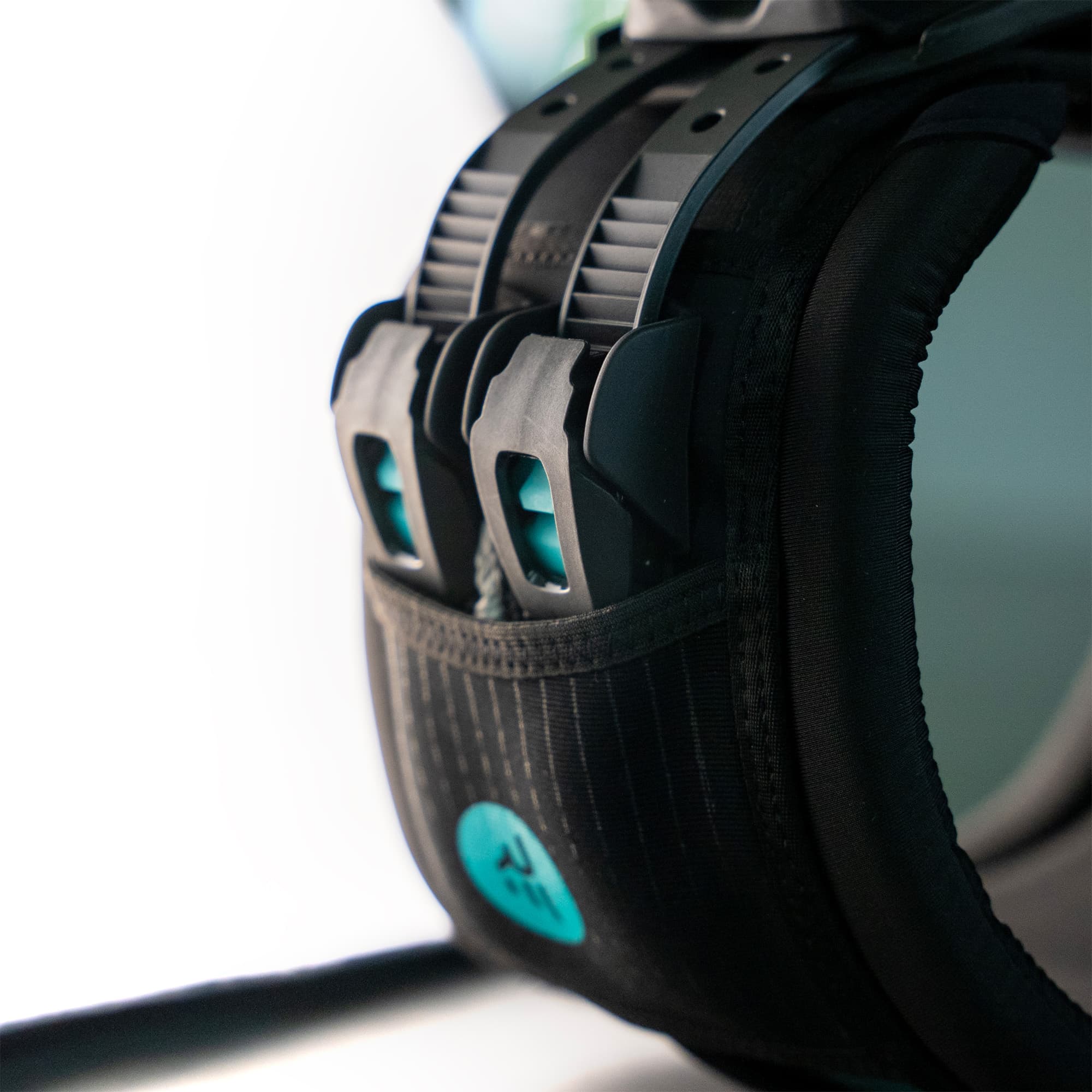
Run the webbing through the adjustment system and confirm that it moves smoothly, holds securely, and remains properly aligned.


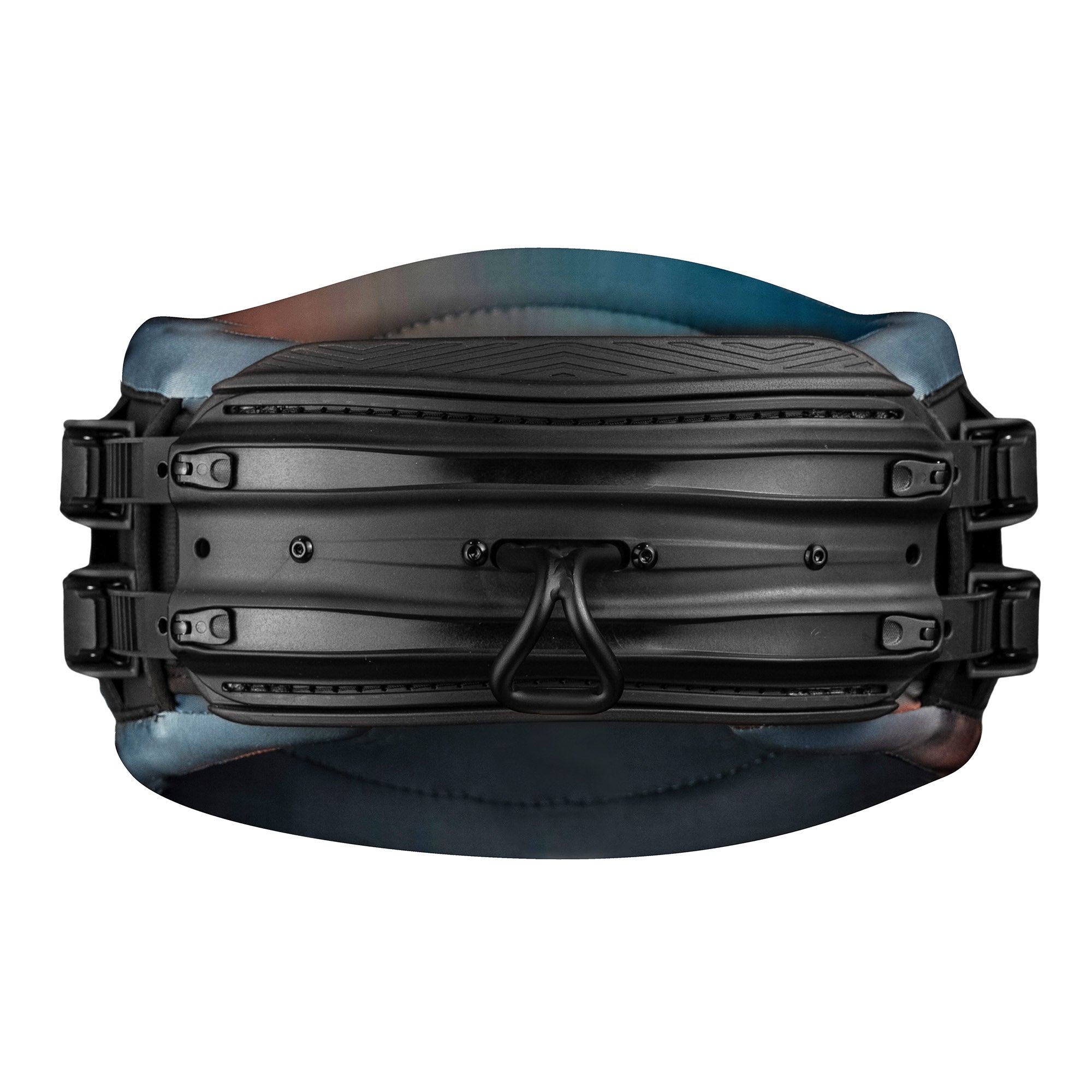
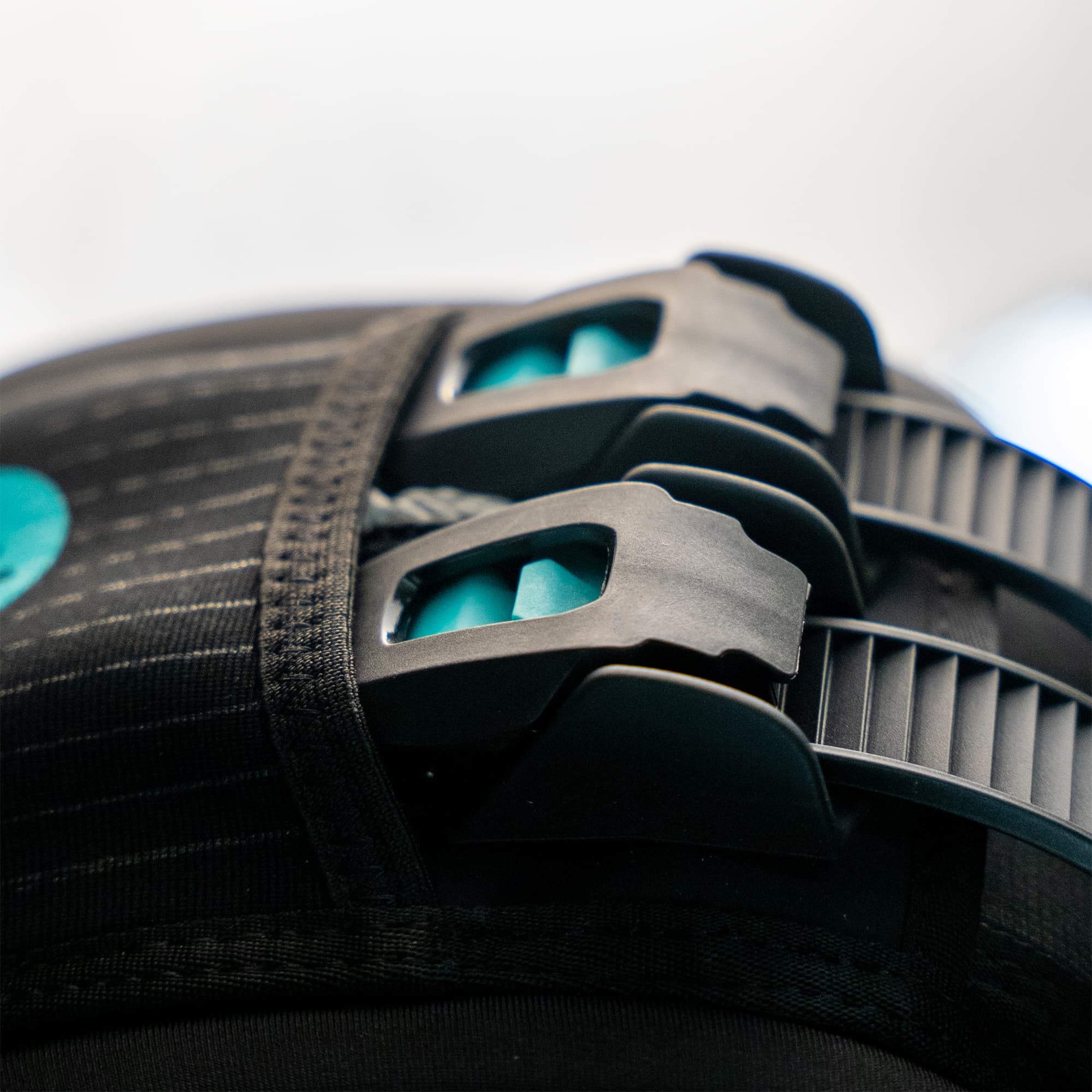
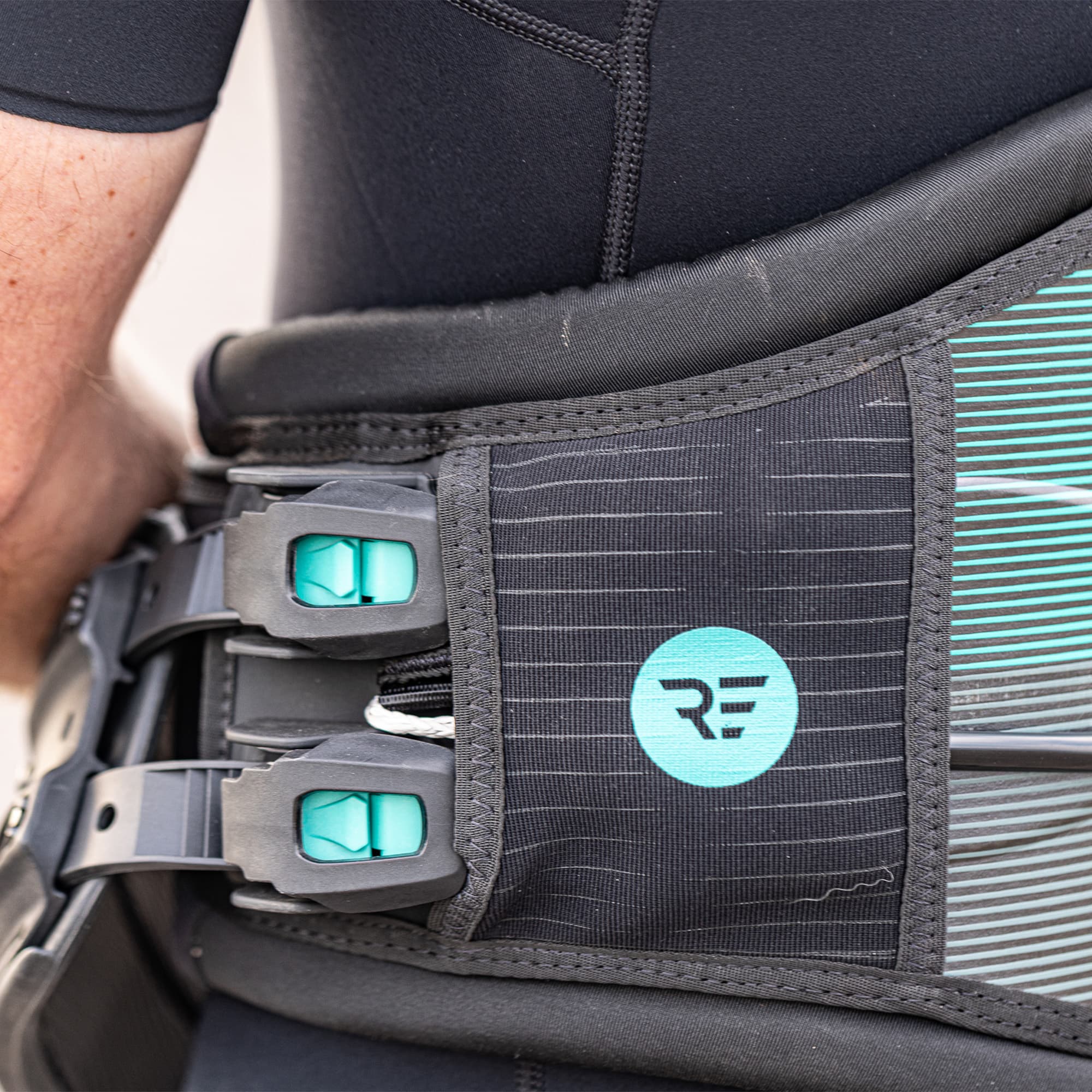
Inspect the Spreader Bar and Closure System
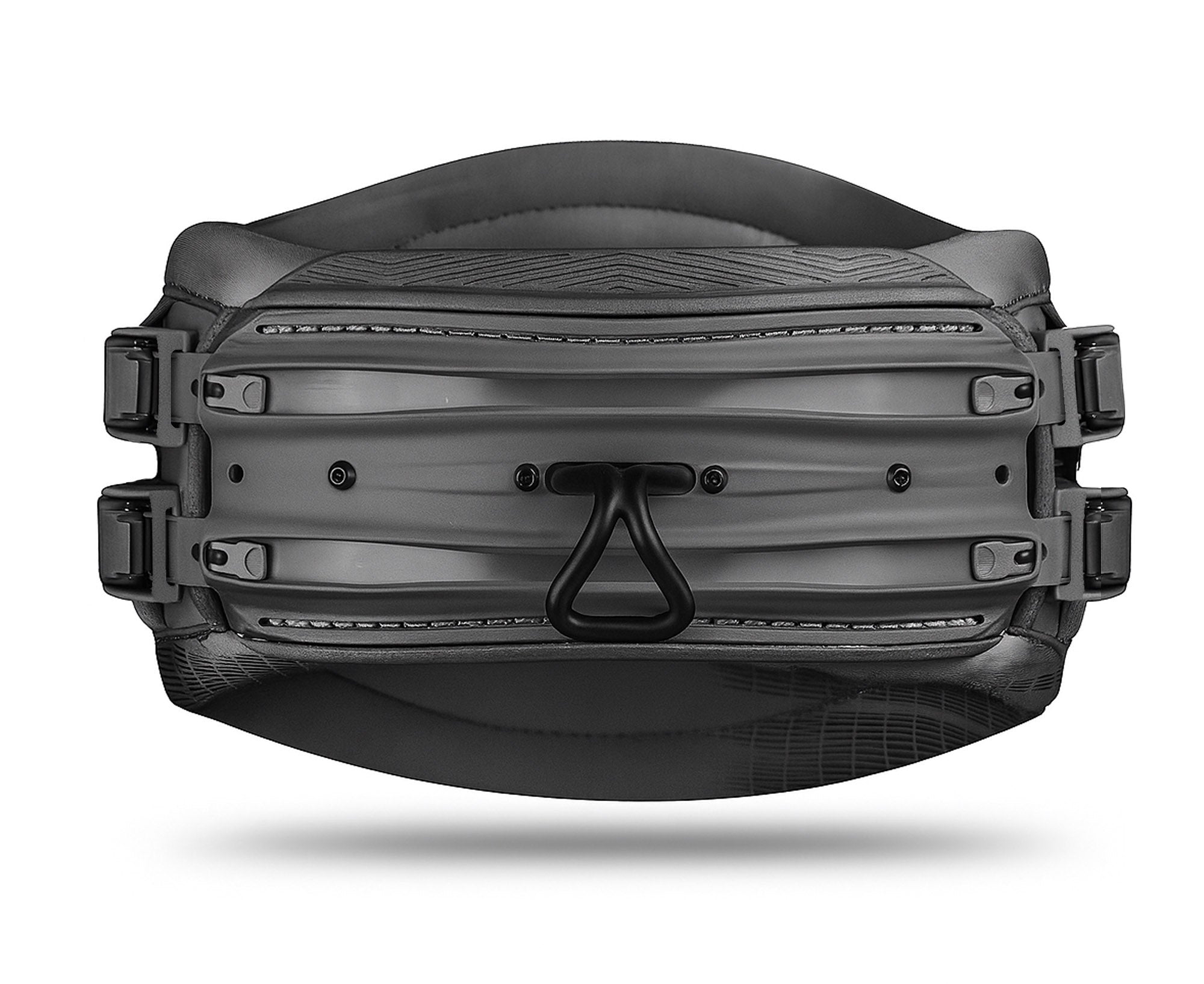
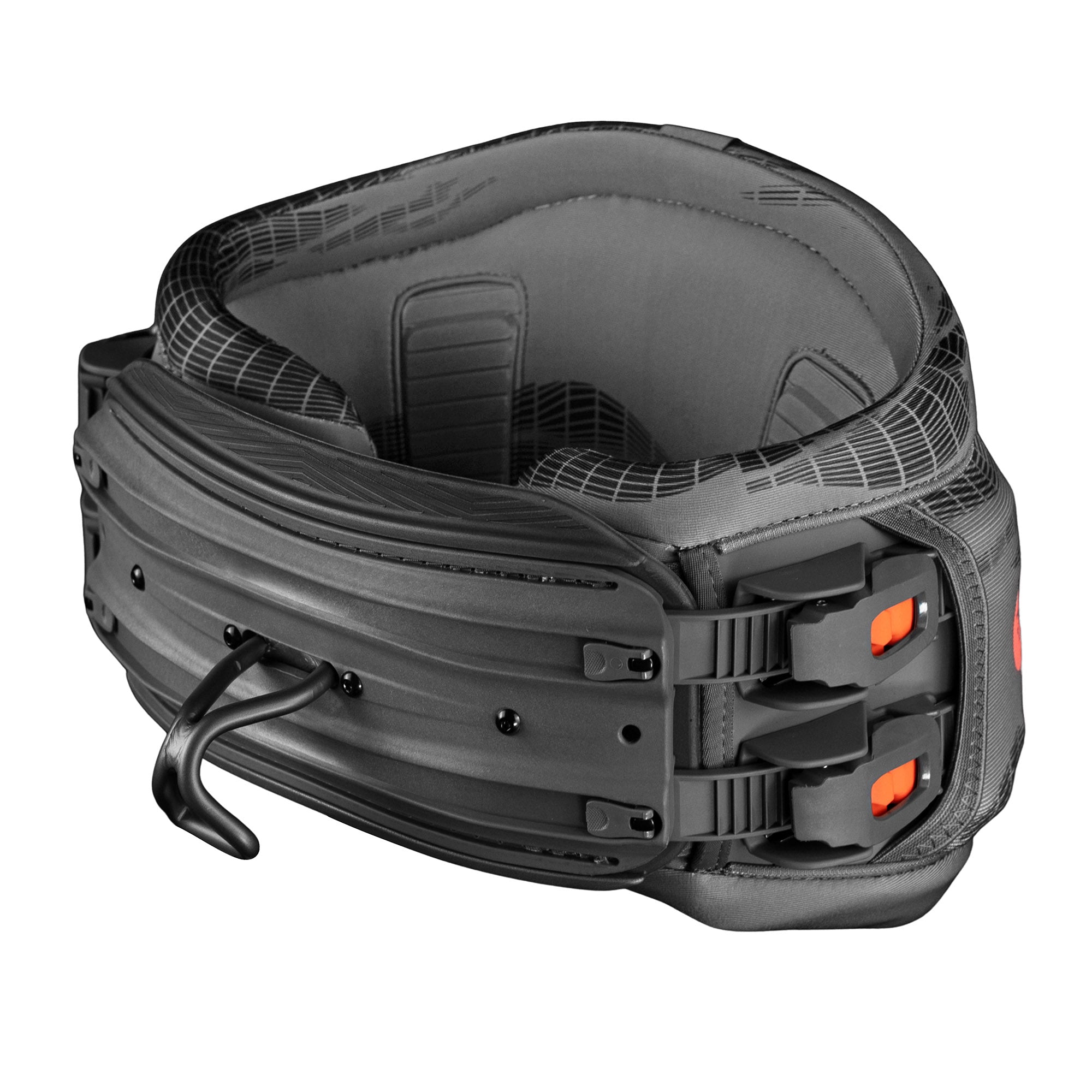
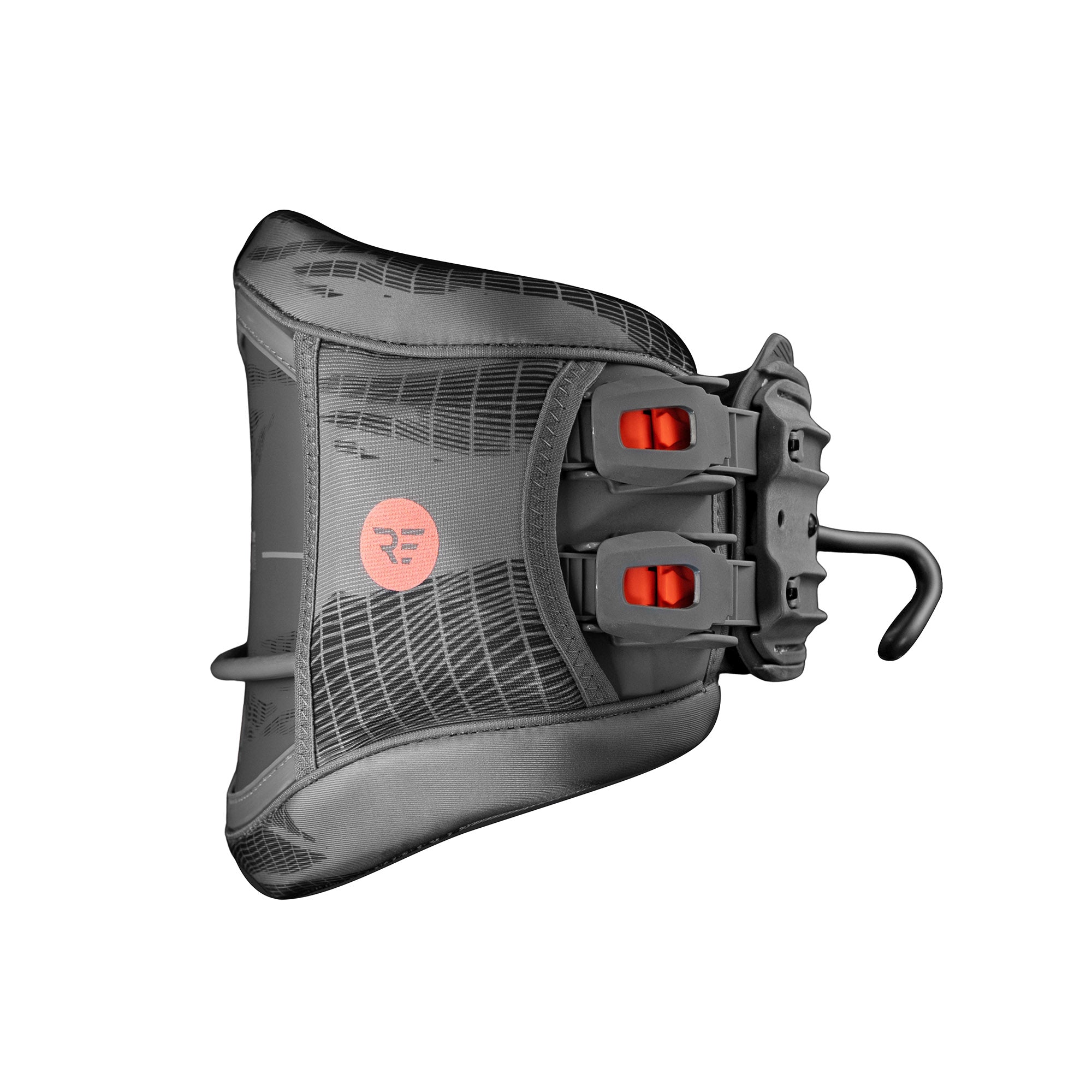
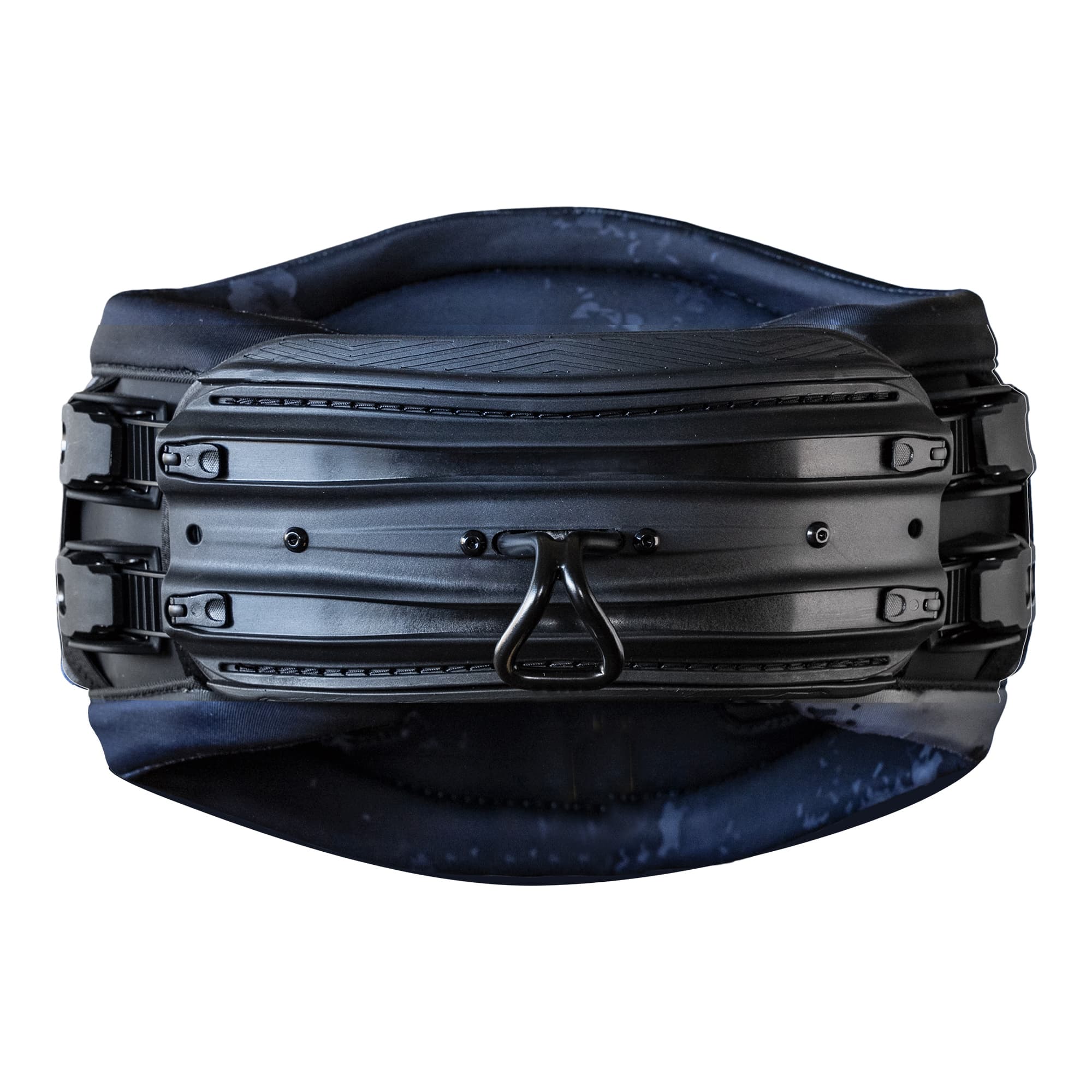
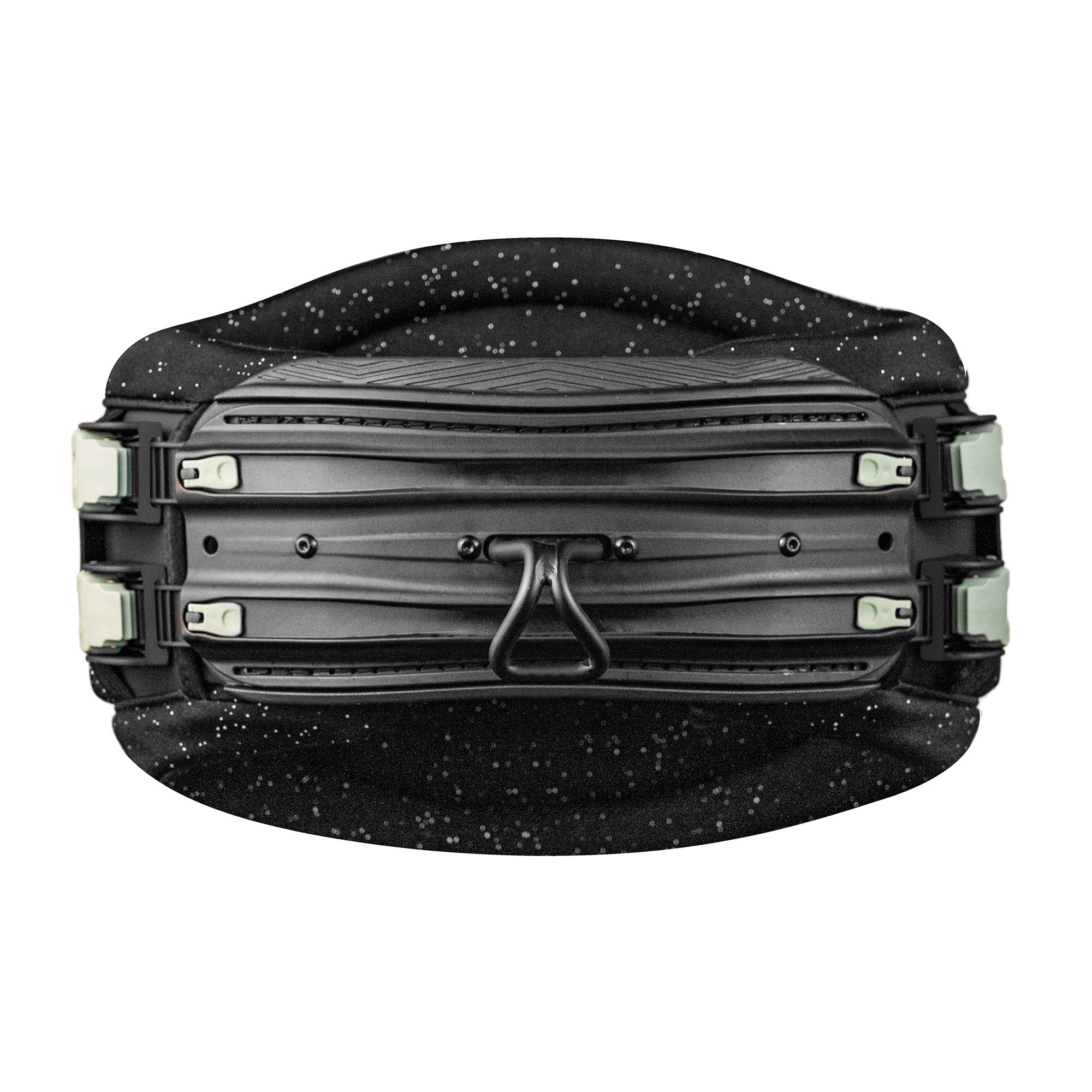
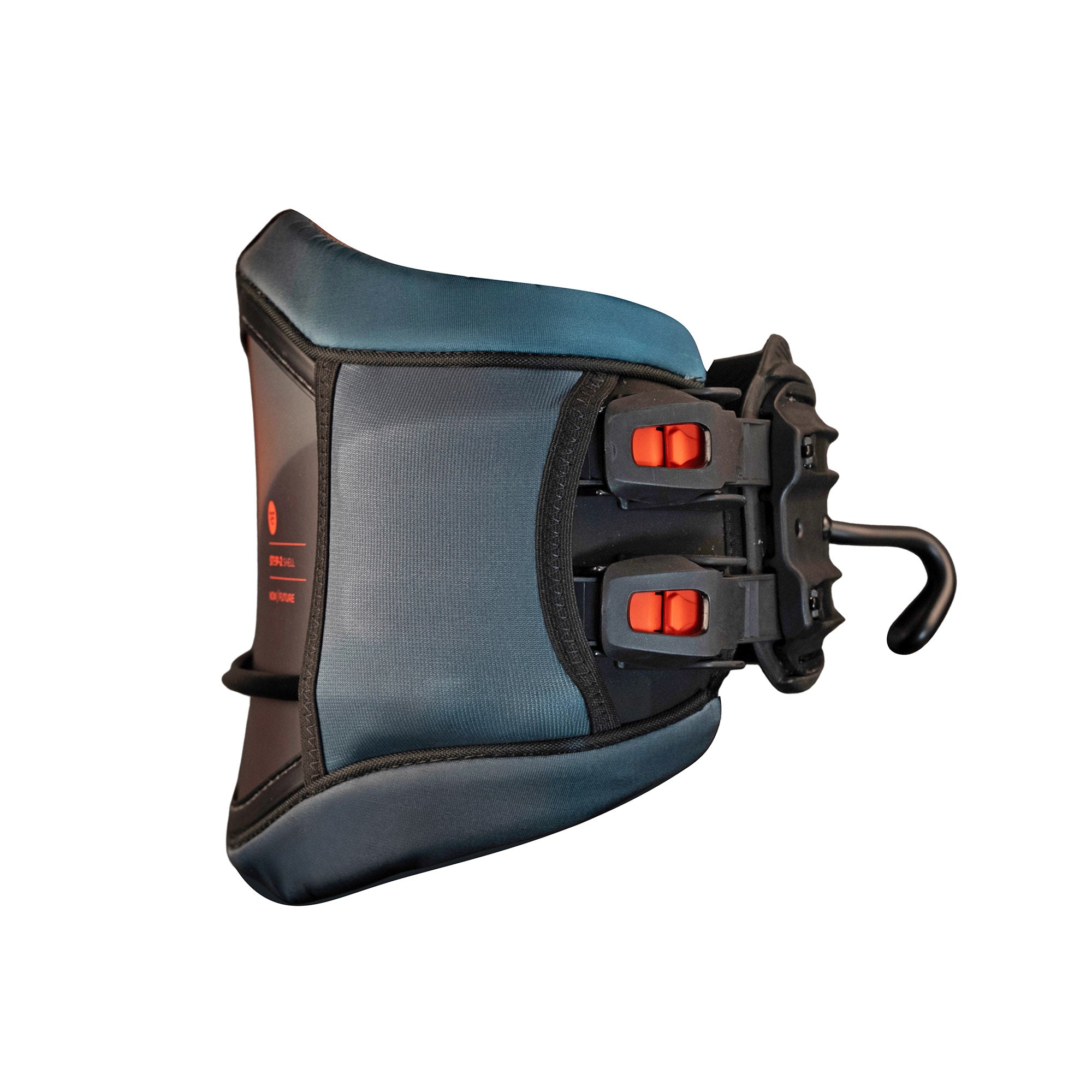
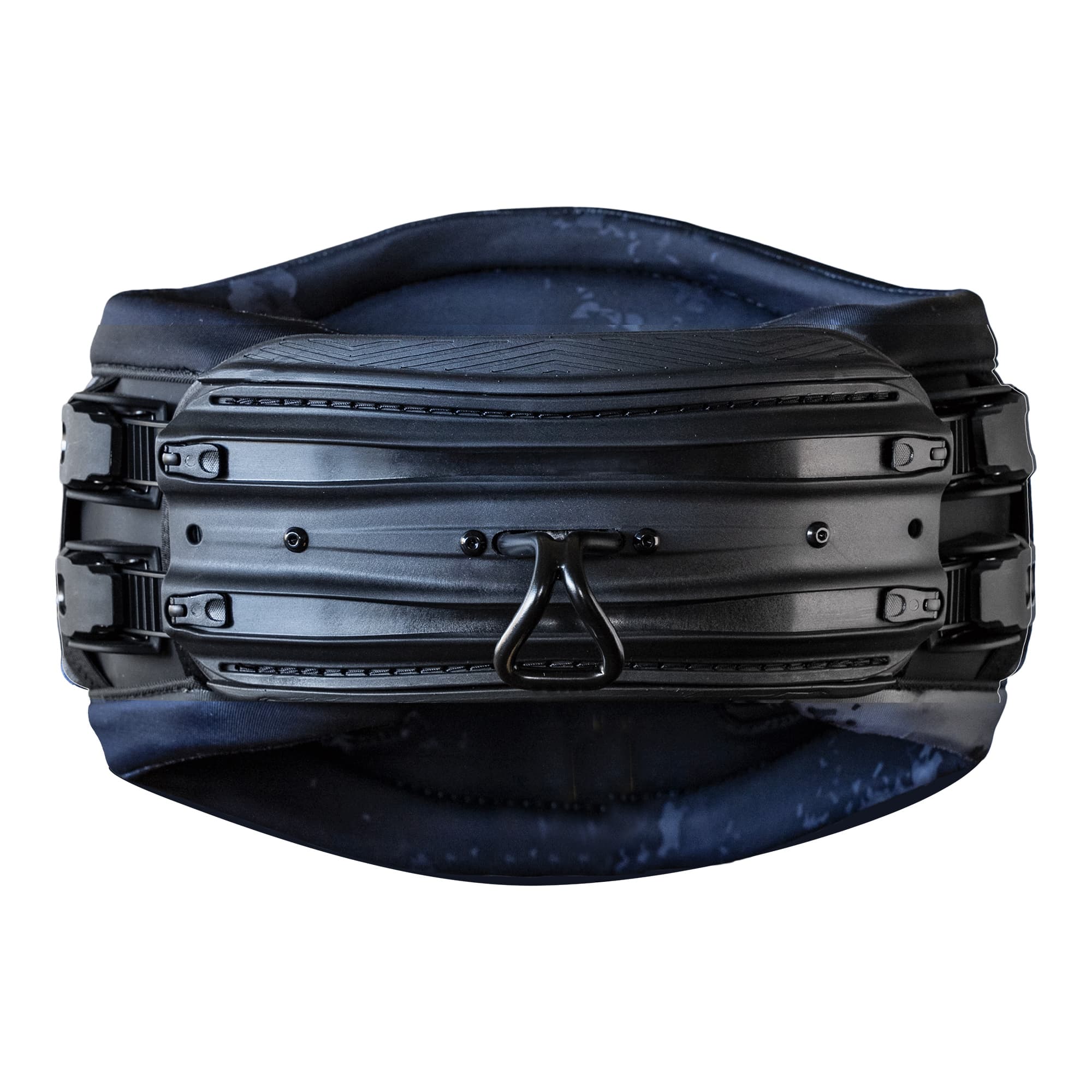
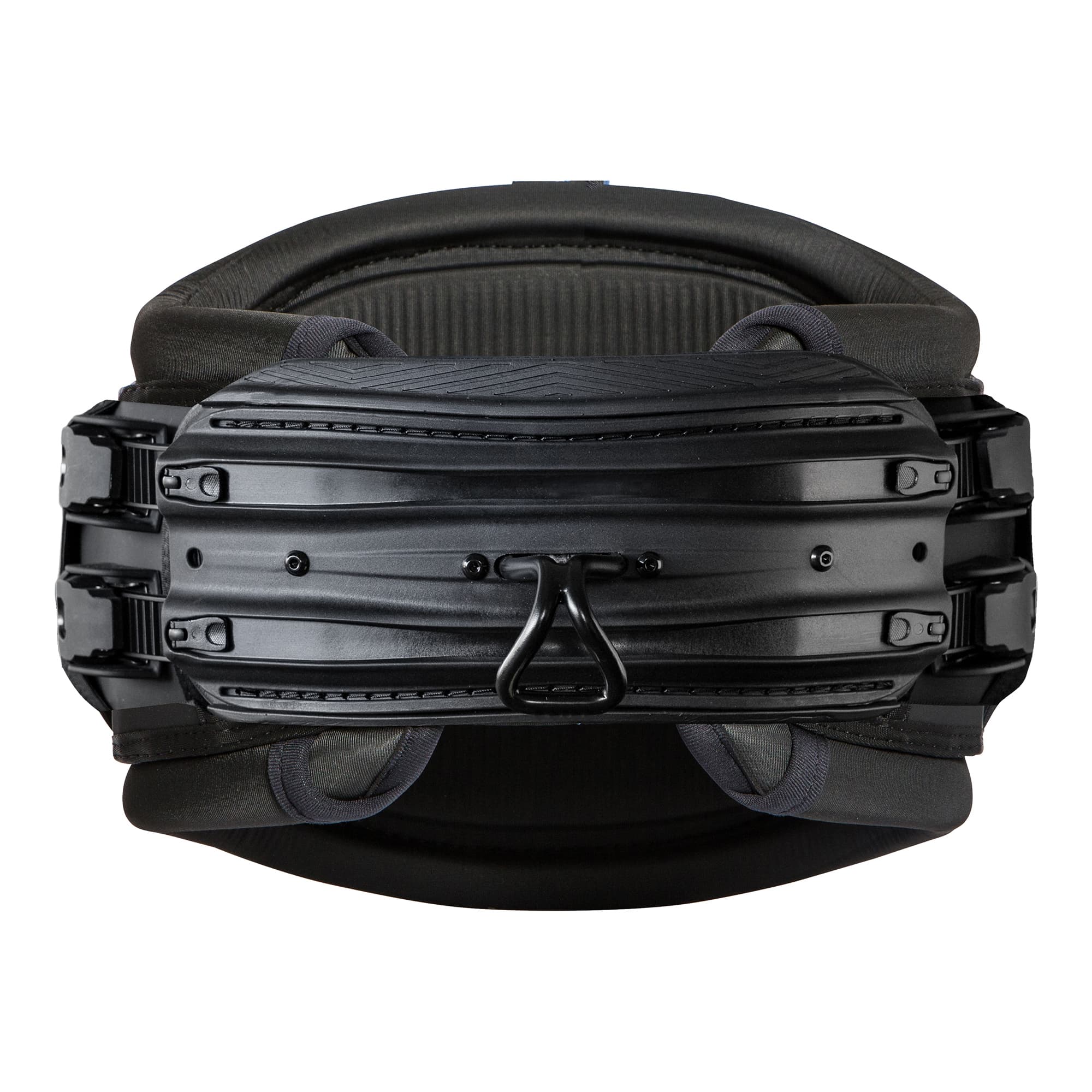
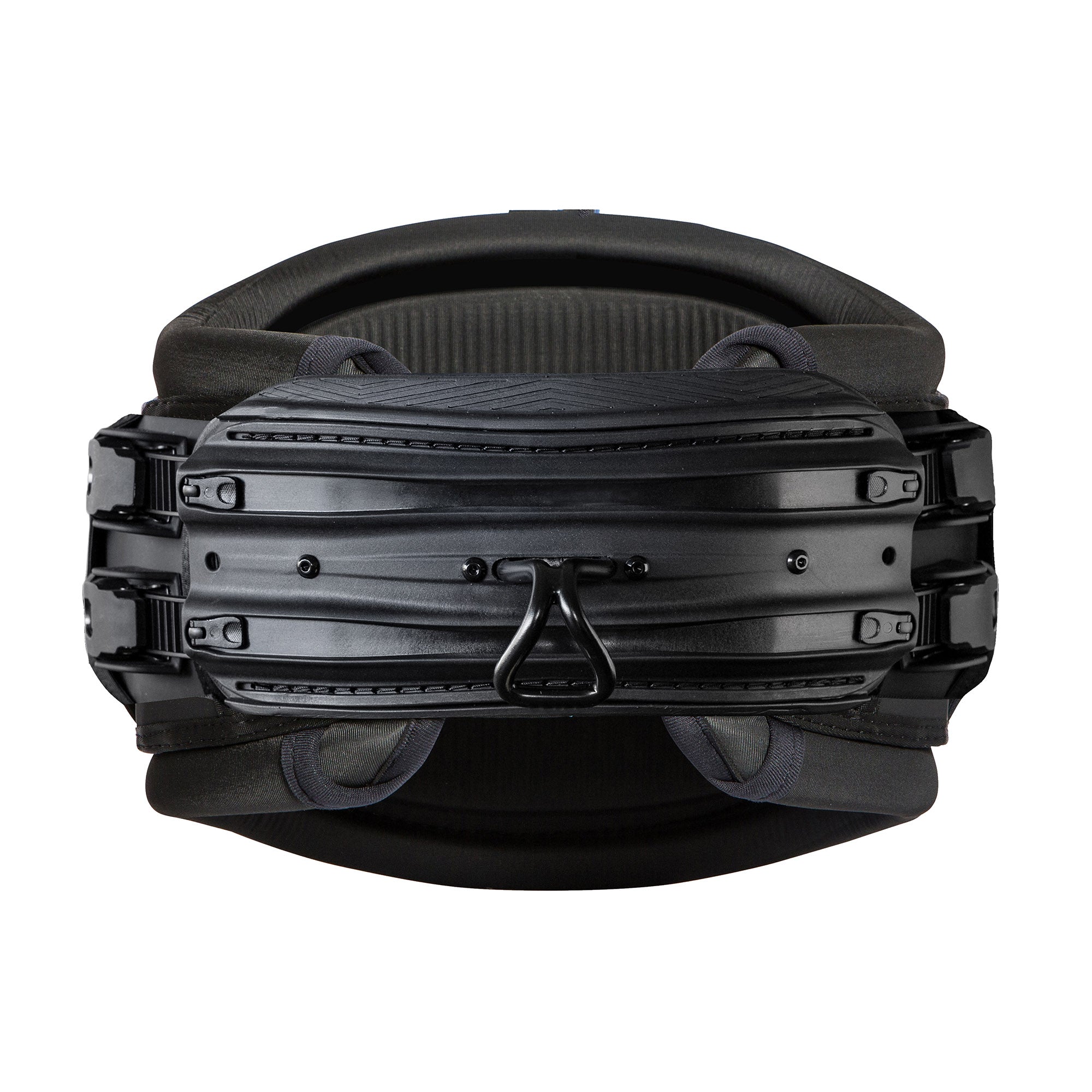
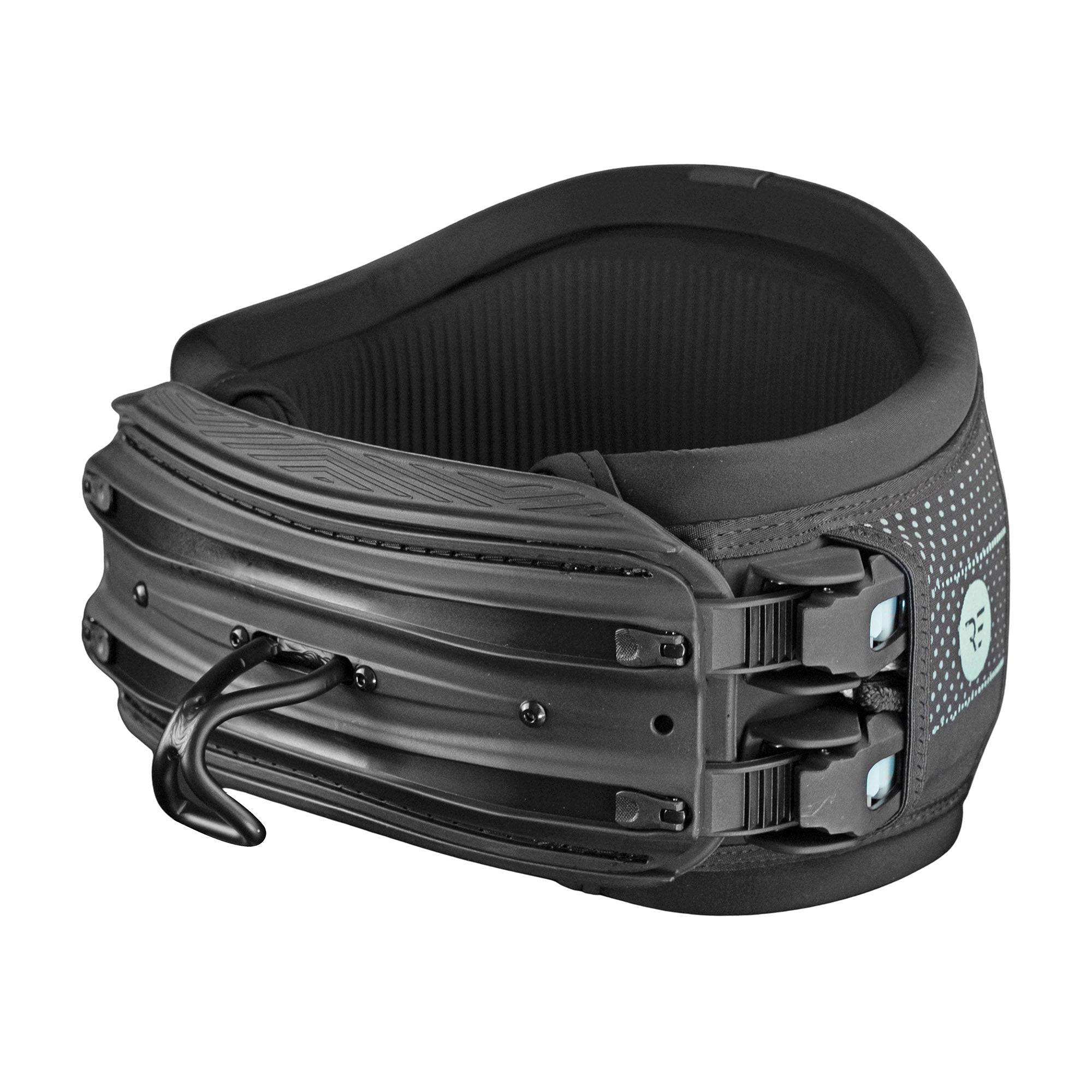
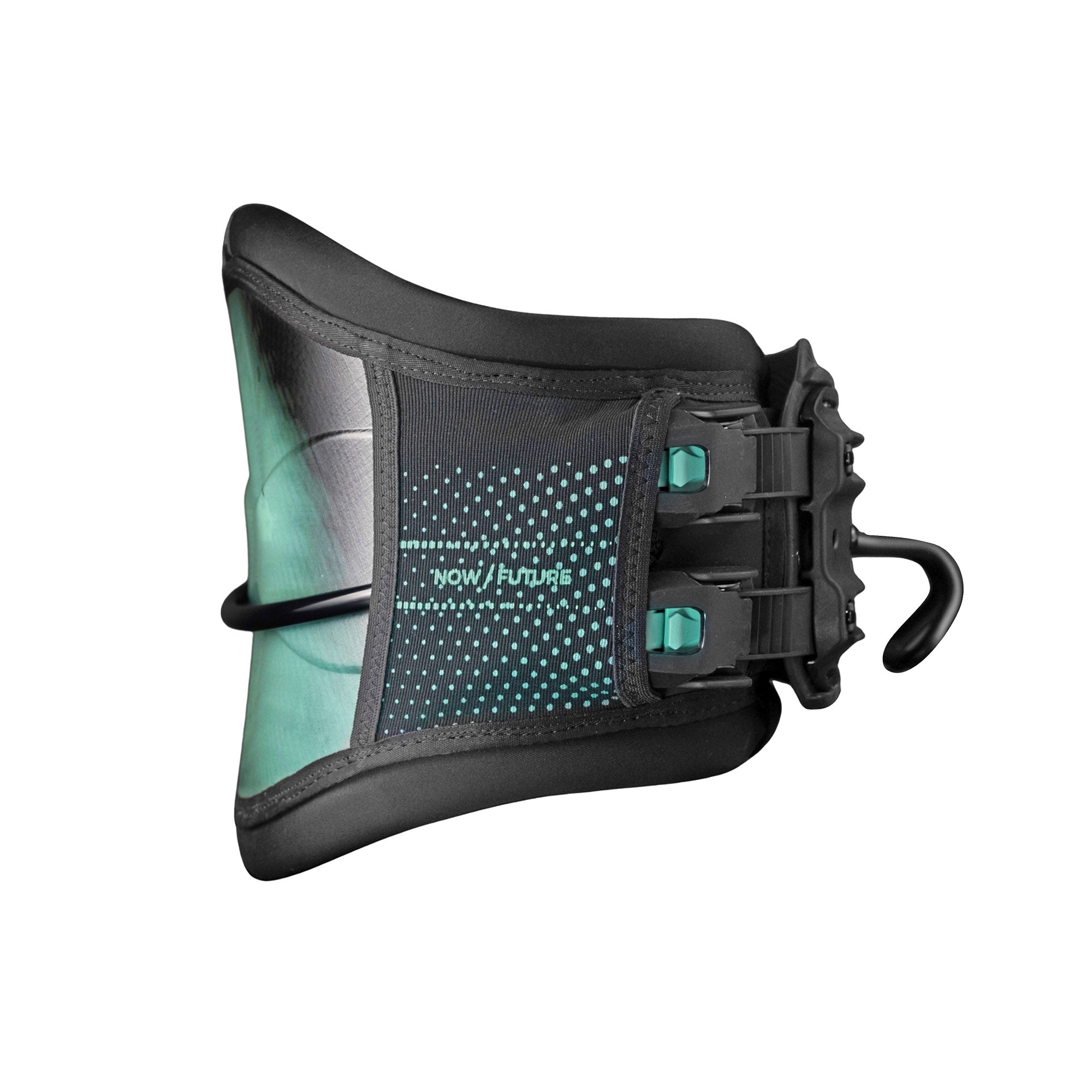
The spreader bar is the connection point between the harness and your kite or sail. Before getting on the water, confirm that the bar, hook, closure system, and adjustment components are functioning correctly.
Check for:
- Bending, cracking, or deformation
- Excessive corrosion
- Sharp edges or exposed metal
- Loose hardware
- Damage around connection points
- Components that do not engage securely
- Adjustment systems that slip under tension
For Hyperlock-equipped harnesses, inspect the locking interface, adjustment components, and spreader bar before each session. Make sure the system engages correctly.
Do not continue using a closure system that is damaged, difficult to operate, or unable to maintain adjustment.

Inspect Hooks, Ropes, and Sliding Components
Different disciplines and setups place wear in different areas.
A fixed hook should retain its original shape and have a smooth surface without deep grooves, cracks, or sharp edges.
A rope slider should be inspected for:
- Flattened or heavily abraded sections
- Fraying
- Cuts or exposed internal fibers
- Uneven wear around rings and connection points
Sliding components naturally experience friction. These parts should be checked frequently and replaced before wear progresses to the point of failure.


Pay Attention to Changes in Fit
Not every problem is visible.
A harness that moves, rotates, or rides up more than it once did may be showing signs of material fatigue. It may also indicate that your body, wetsuit thickness, or preferred fit has changed.
Ask yourself:
- Does the harness remain in position under load?
- Can it still be adjusted to the correct tension?
- Has support decreased during powered sessions?
- Are new pressure points developing?
- Does the spreader bar remain centered?
A harness should feel secure without relying on excessive tightening. If you continually have to readjust it or tighten it beyond its normal range, inspect the shell, padding, webbing, and closure components carefully.

Replace a Component or Replace the Harness?
Not every worn component requires replacing the entire harness.
Depending on the harness model and the condition of the main structure, spreader bars, ropes, hooks, and other compatible components may be replaceable. Replacing an appropriate wear component can extend the functional life of a harness when the shell, padding, webbing, and primary attachment points remain in good condition.
The complete harness should be retired when damage affects its structural integrity or primary load-bearing construction.
Examples include:
- A cracked or delaminated shell
- Torn primary webbing
- Failed structural stitching
- Damaged attachment points
- Permanent deformation
- A significant loss of support
- Damage that prevents the spreader bar from remaining secure
When you are uncertain whether damage is cosmetic or structural, stop using the harness until it can be properly evaluated.


A Simple Before-Session Inspection
Before launching, take a few moments to confirm:
- The shell has no cracks or separation.
- The interior padding is intact.
- The webbing is not cut or deeply frayed on a webbing-based harness.
- Structural stitching is secure.
- The spreader bar is not bent, cracked, or excessively corroded.
- The hook or rope system is in good condition.
- The closure and adjustment systems engage correctly.
- The harness fits securely and maintains adjustment under load.
This inspection only takes a moment, but it can identify developing problems before they become larger ones.

Care for It, Inspect It, Trust It
A harness should never be an afterthought. It manages power, distributes load, and helps create the connection and control that define every session.
Regular rinsing, proper storage, and protection from extreme temperatures will help preserve its materials. Consistent inspection will help you understand how those materials are aging and when a component, or the complete harness, has reached the end of its functional life.
Take care of your harness. Learn how to inspect it. Replace worn parts when appropriate, and retire it when structural wear compromises its performance.
Because confidence in your equipment begins before you ever touch the water.
```