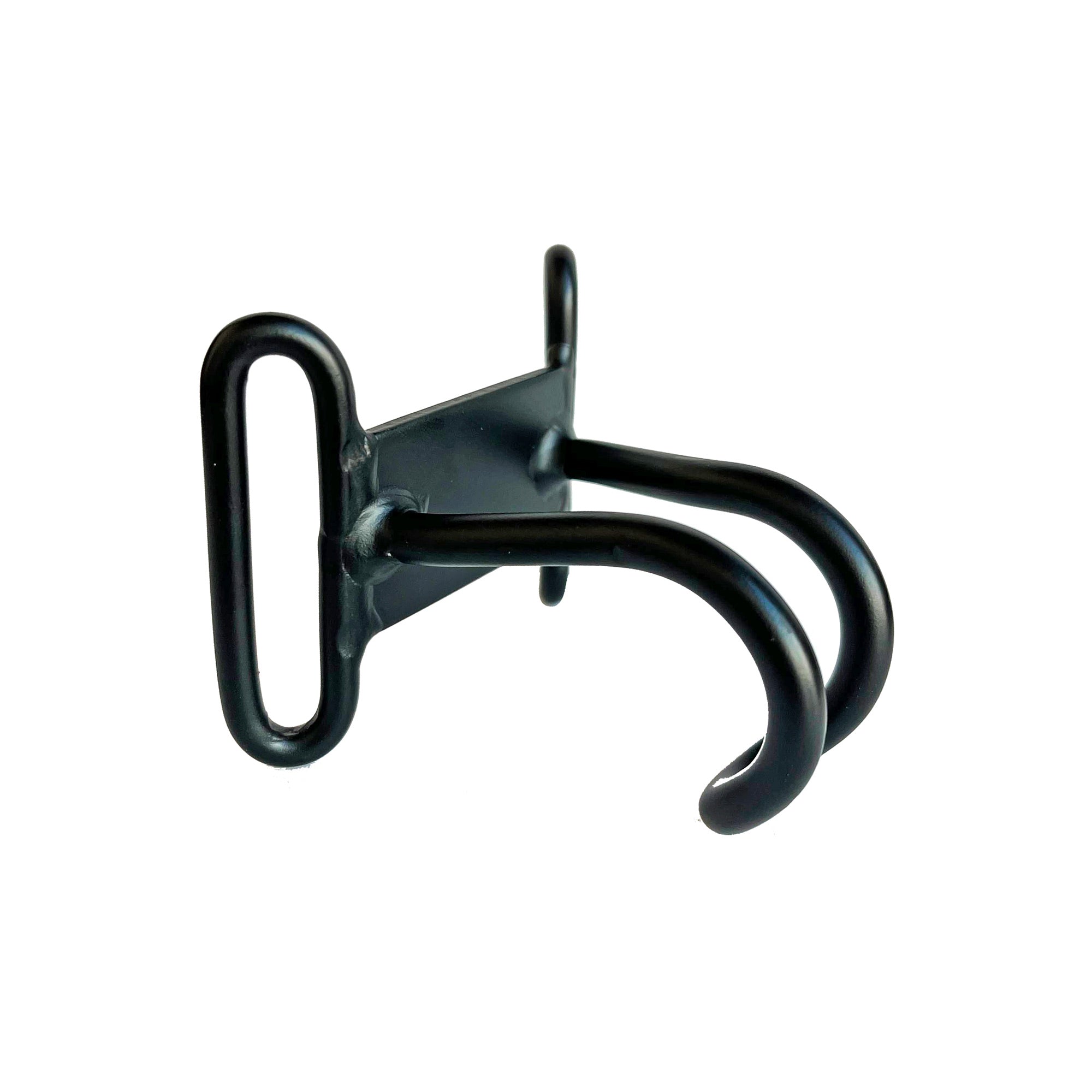
Ride Engine Harness Connection Guide
Kiteboarding Harness Connections Explained
Fixed hook, closed metal loop, full sliding rope, or mini rope loop? Your harness connection influences how directly you feel the kite, how freely your body can rotate, how securely you remain connected, and whether unhooked riding is possible.
Most kiteboarders refer to the connection on the front of their harness as a harness hook. Technically, however, only one of the primary connection options is actually a hook.
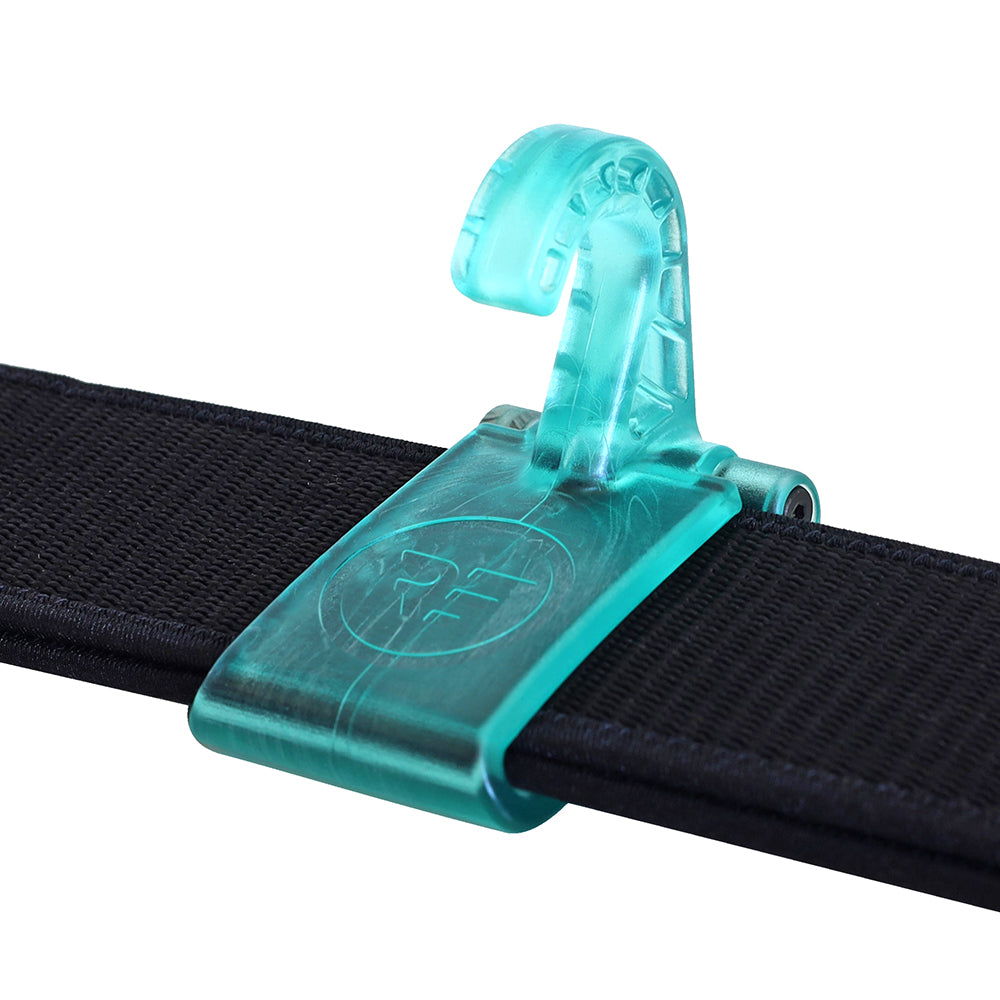
The traditional fixed kite hook has an open hook geometry. A closed metal loop and sliding rope system are better described as connection options because the control system loop must be opened, passed through the connection point, and securely reassembled.
That distinction is more than terminology. Your connection choice can influence how directly you feel the kite, how freely your hips and upper body can rotate, how easily you can unhook, and how securely the control system remains connected to the harness.
After years of harness design, development, and time on the water, we have learned that there is no single connection that is best for every kiteboarder. The right option depends on your discipline, how you move on the board, and the type of connection feel you prefer.


The Fixed Kite Hook: The Familiar Standard
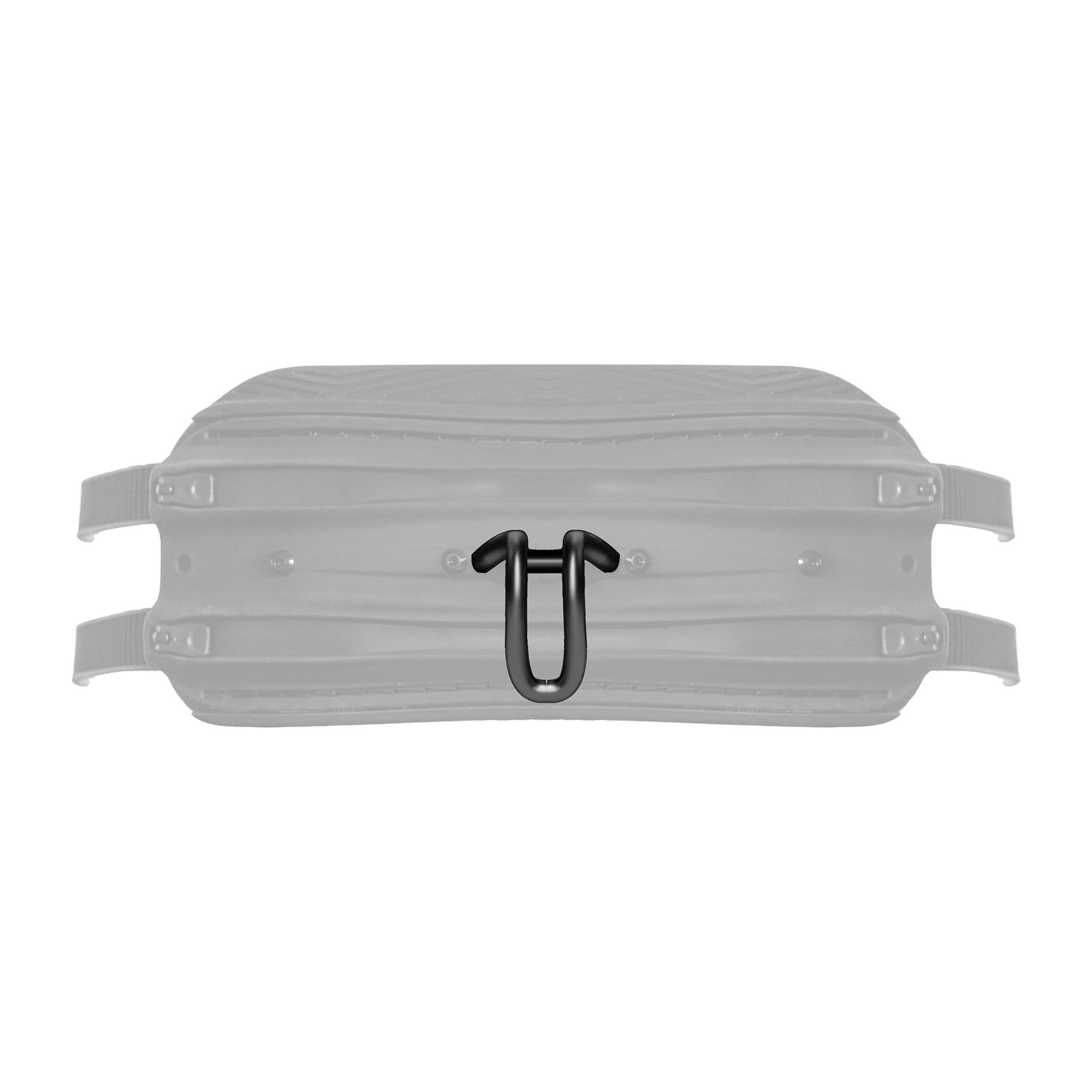
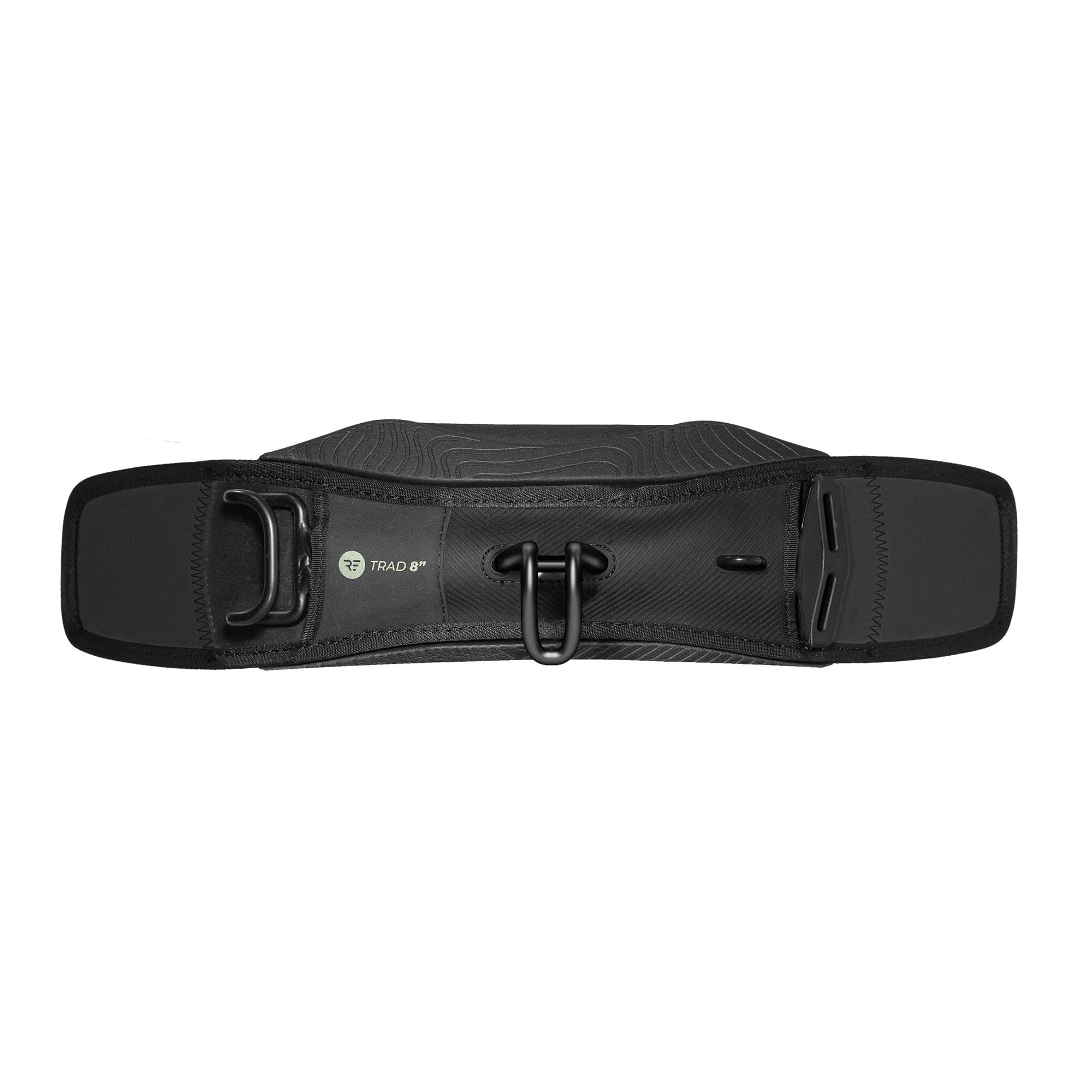
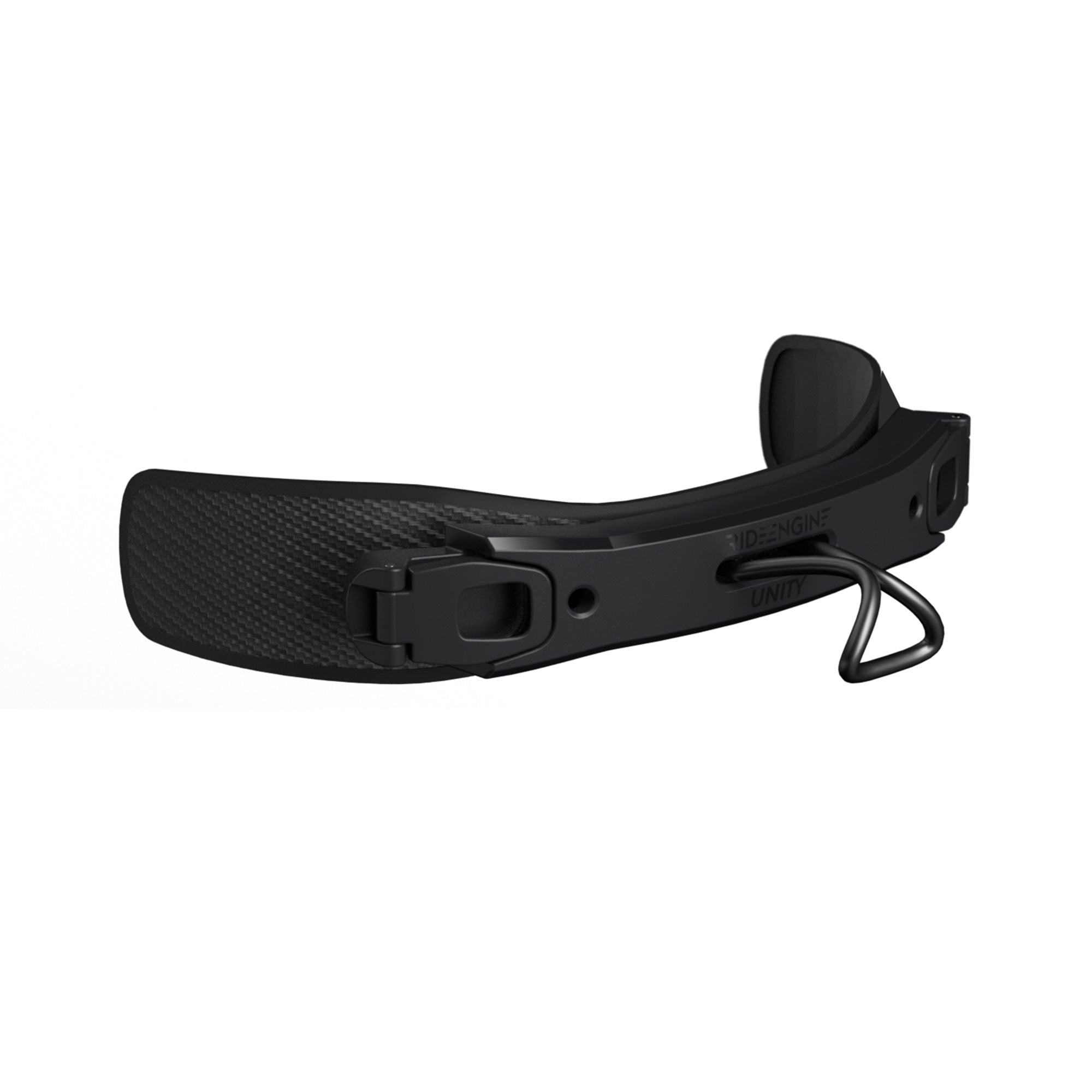
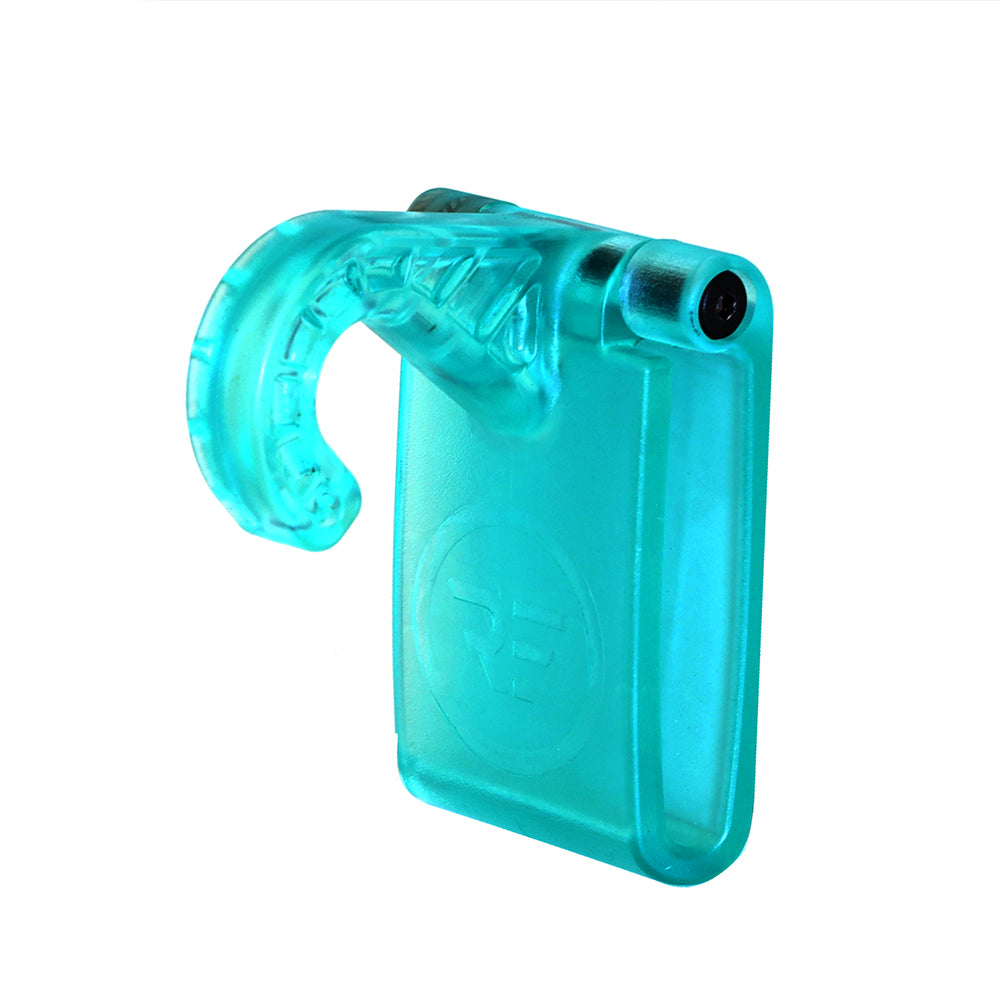
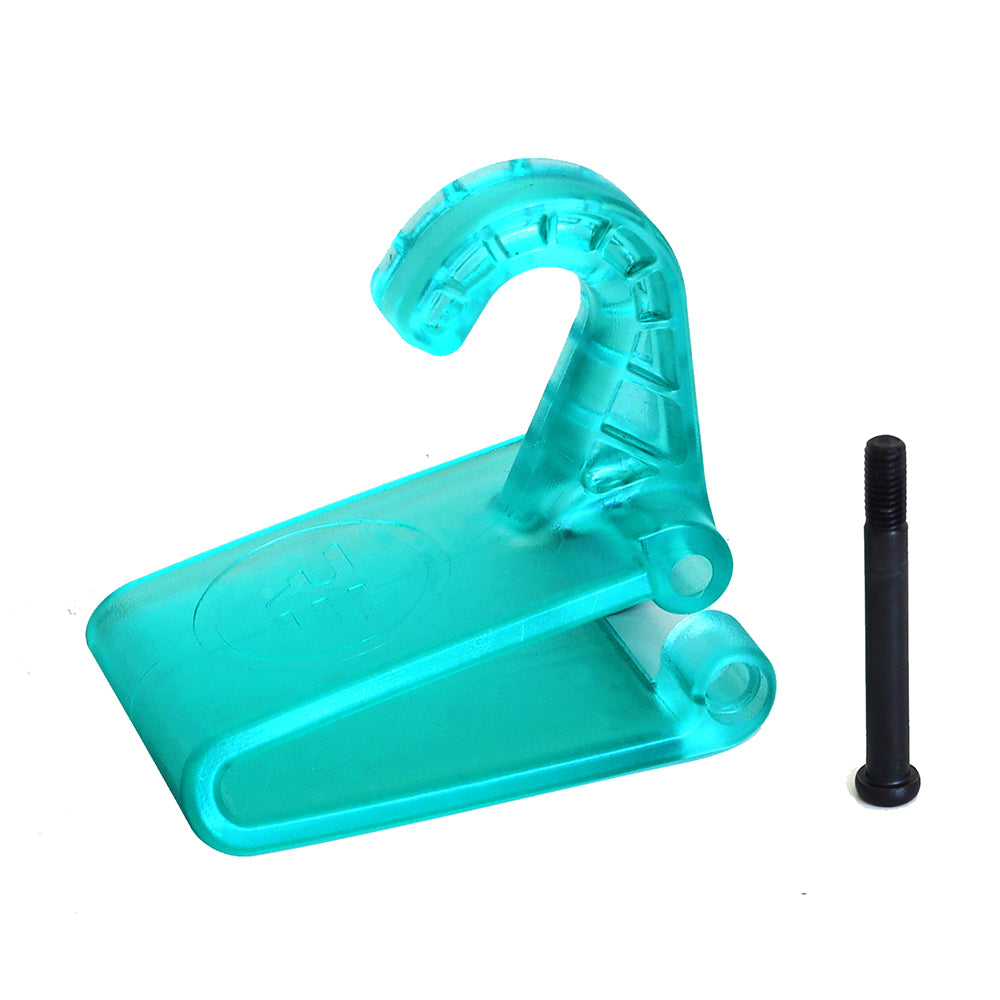
The fixed kite hook has been the standard connection since the early days of kiteboarding. Originally adapted from windsurfing harnesses, its simple open hook geometry remains the most widely recognized and commonly used option.
To connect, the chicken loop is placed on the hook and secured with the control system's retaining finger or safety pin. Once the kite is powered and the connection is loaded, the chicken loop is pulled securely into the base of the hook.
A fixed hook creates a centered and direct connection between the kite and harness. This geometry provides consistent feedback and a locked-in feel that many kiteboarders have used throughout their entire progression.
At Ride Engine, we consider the fixed hook the most direct connection option, making it particularly well suited for big air, freeriding, hydrofoiling, and technical freestyle.
Advantages of a Fixed Kite Hook
- Fast and intuitive connection
- Direct and centered kite feedback
- Stable loading point for powered riding
- Compatible with conventional unhooked freestyle
- Familiar geometry for experienced kiteboarders
Best for: unhooked freestyle, big air, powered freeriding, hydrofoiling, and riders who prefer a traditional direct connection.
Potential Disadvantages
Because the hook is open, the kiteboarder must confirm that the chicken loop is fully seated and that the retaining finger or safety pin has been installed correctly.
A false hook can occur when the chicken loop appears to be connected but has only caught the end or side of the hook. Some chicken loop geometries can also become disconnected if line tension is lost and the retaining system is not properly engaged.
The fixed position can also restrict hip rotation. When riding toe side, carving a directional board, or making aggressive turns in surf, the harness connection remains centered while the body attempts to rotate.

The Closed Metal Loop: Maximum Connection Security
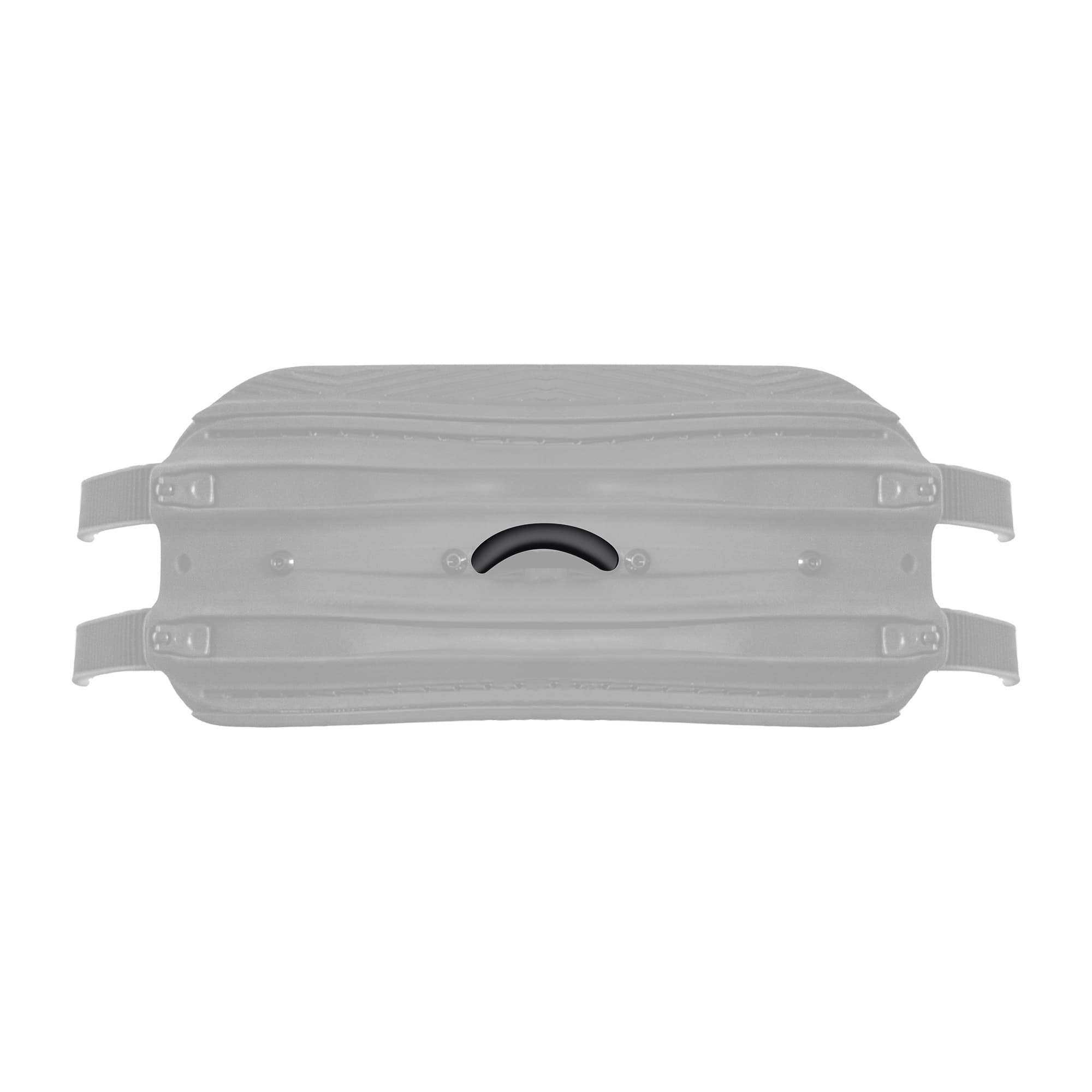
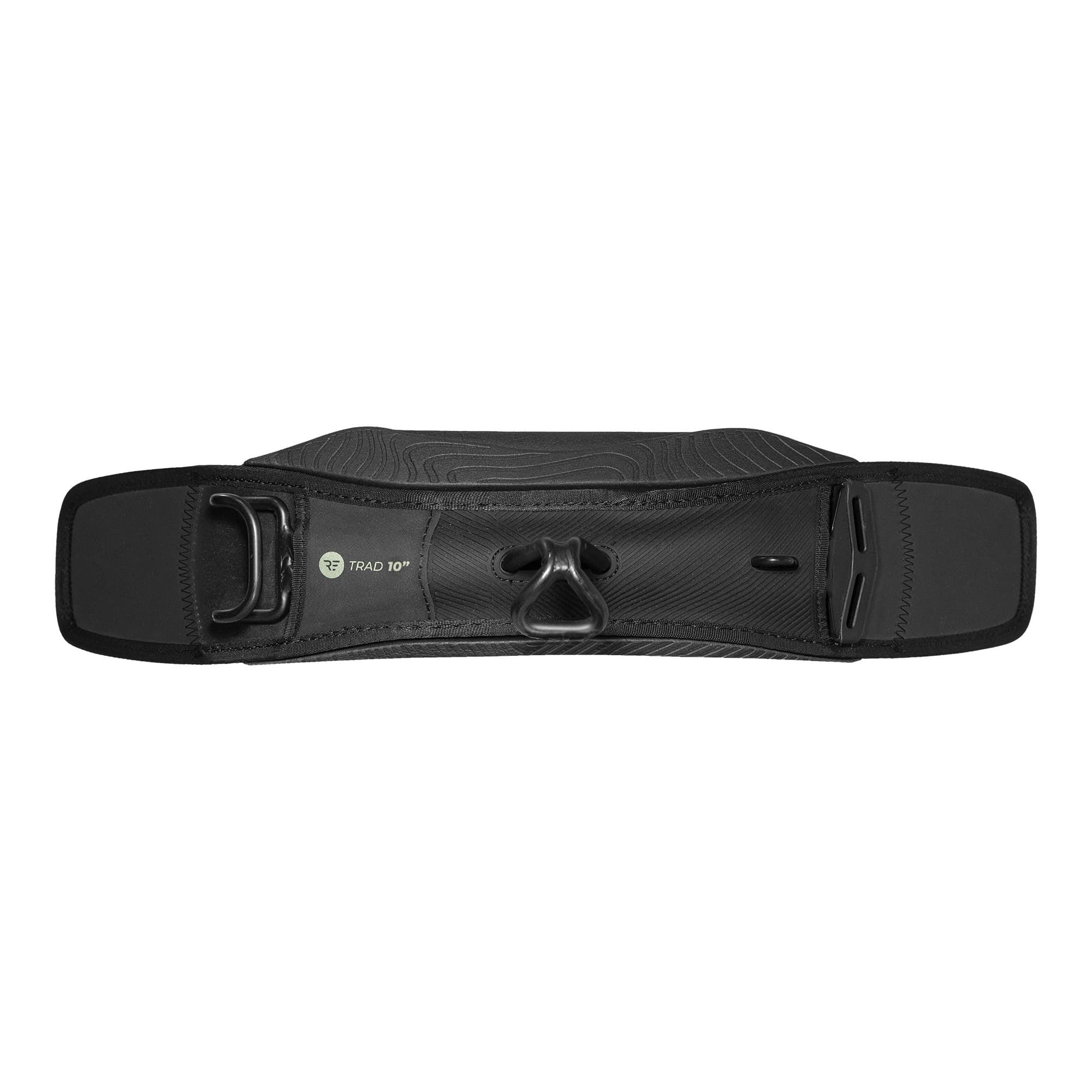
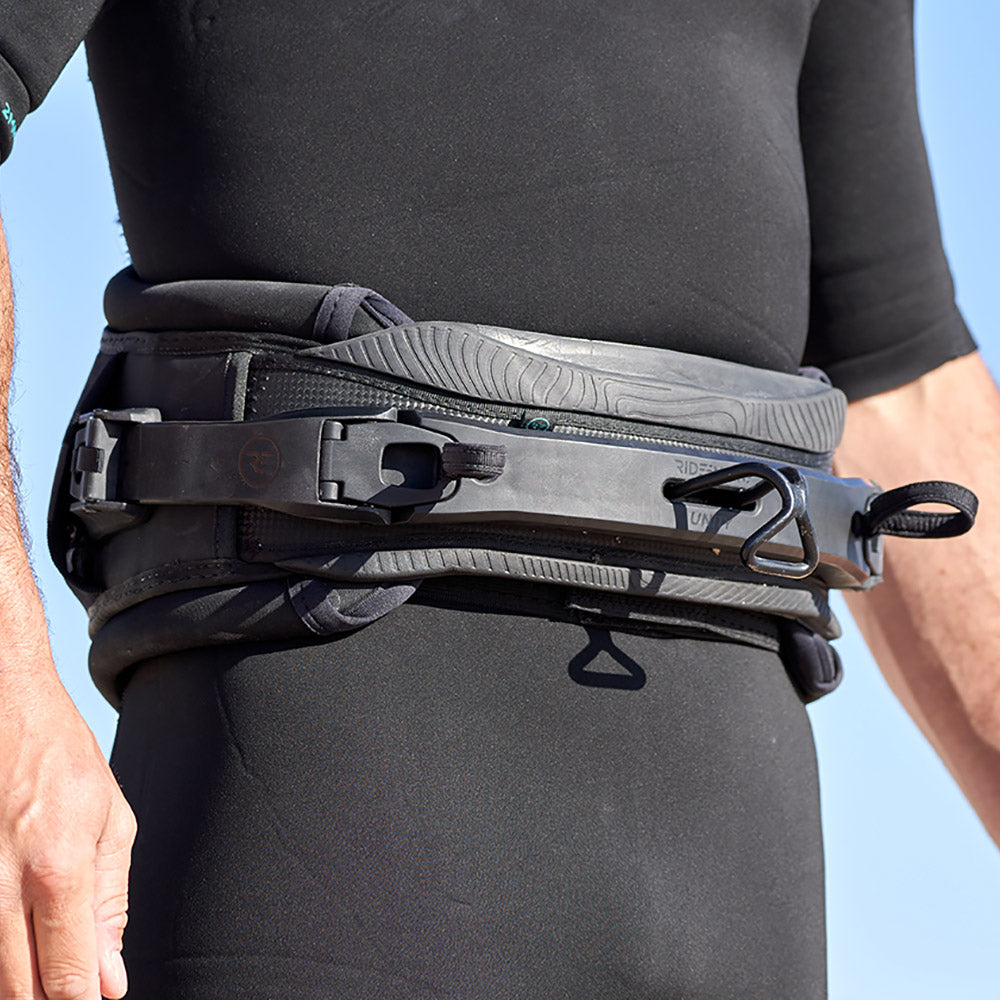
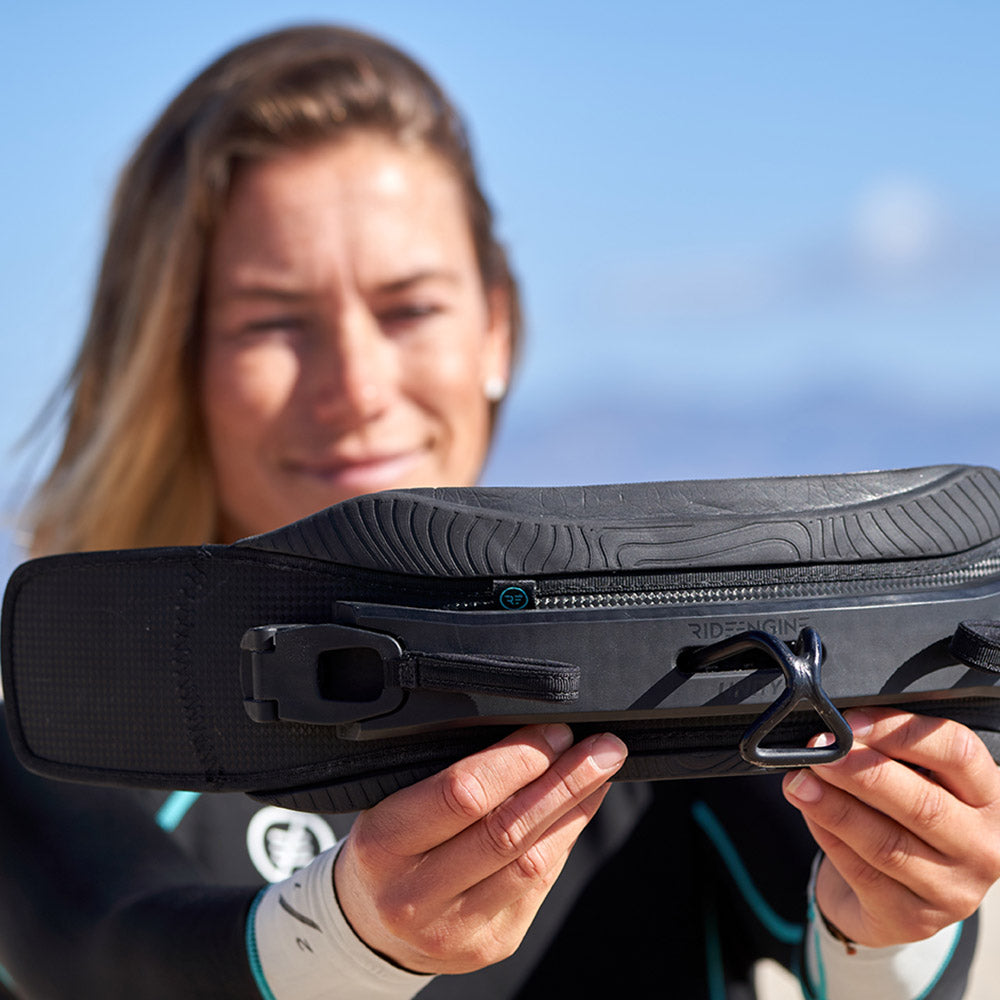
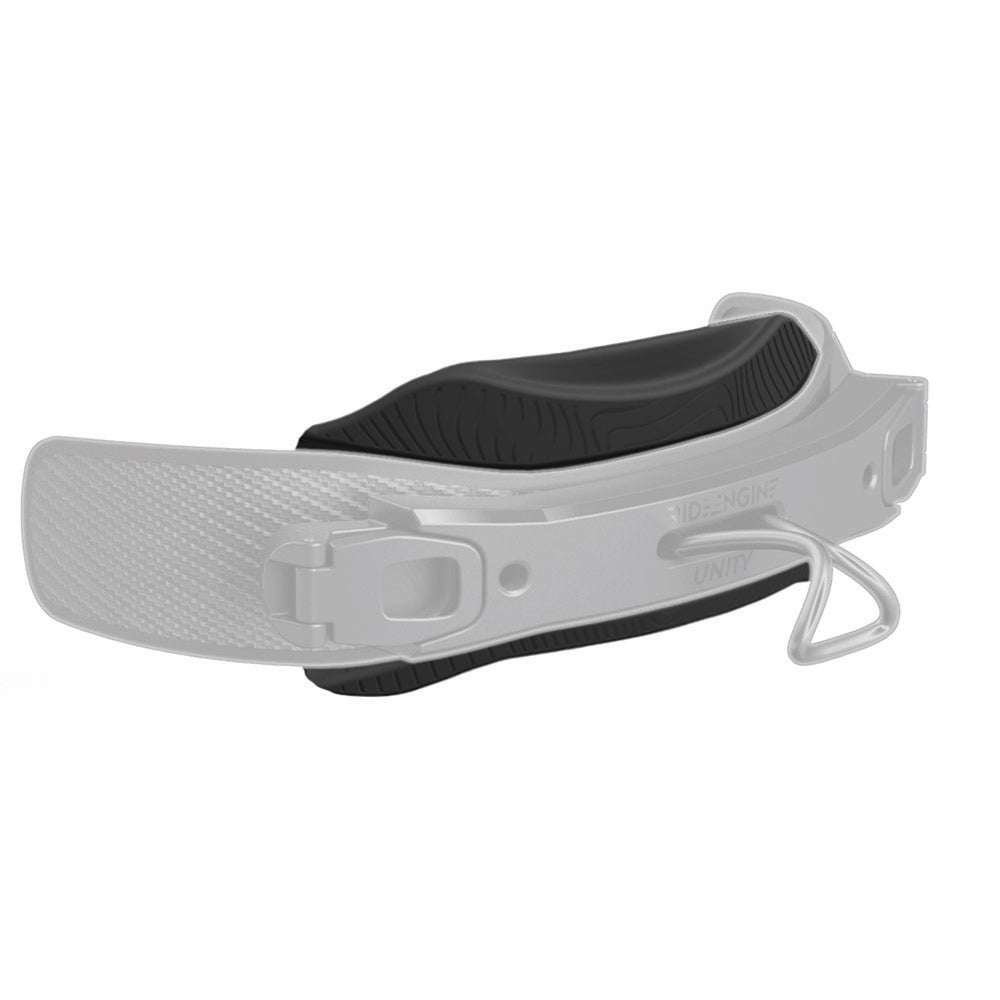
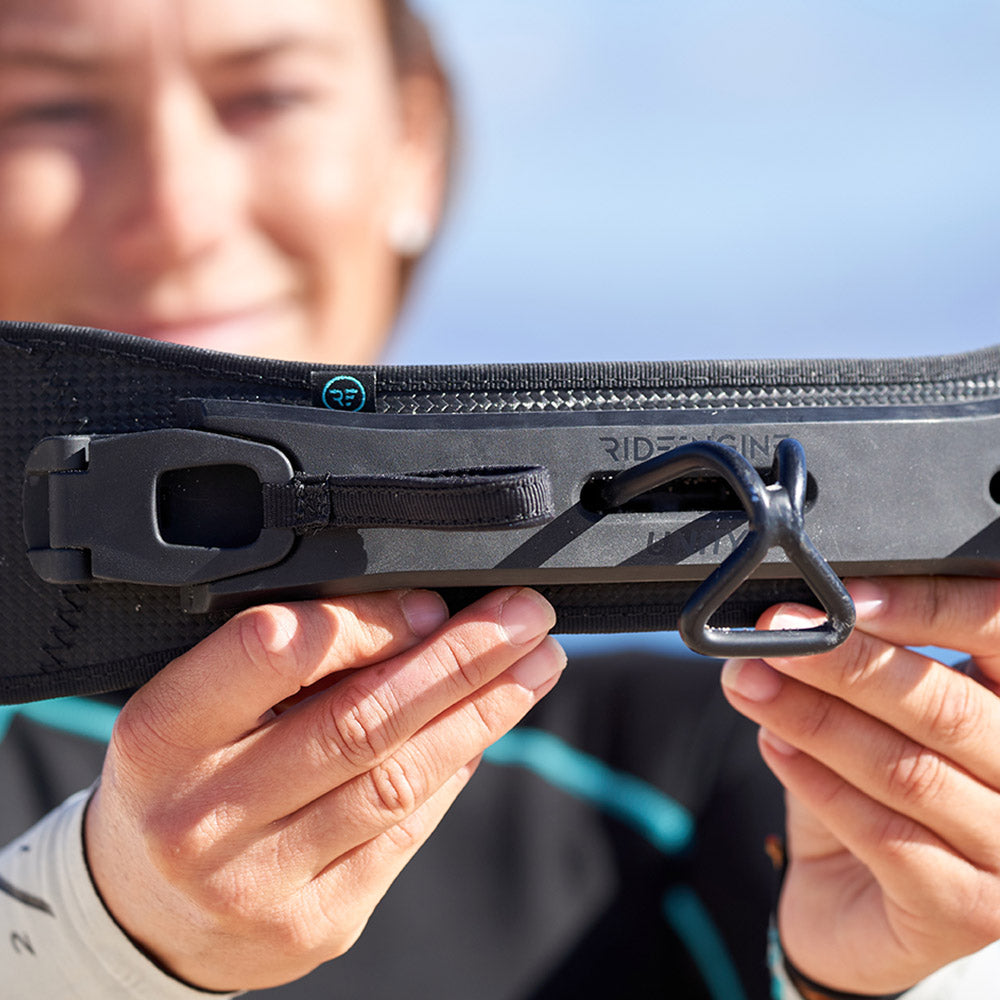
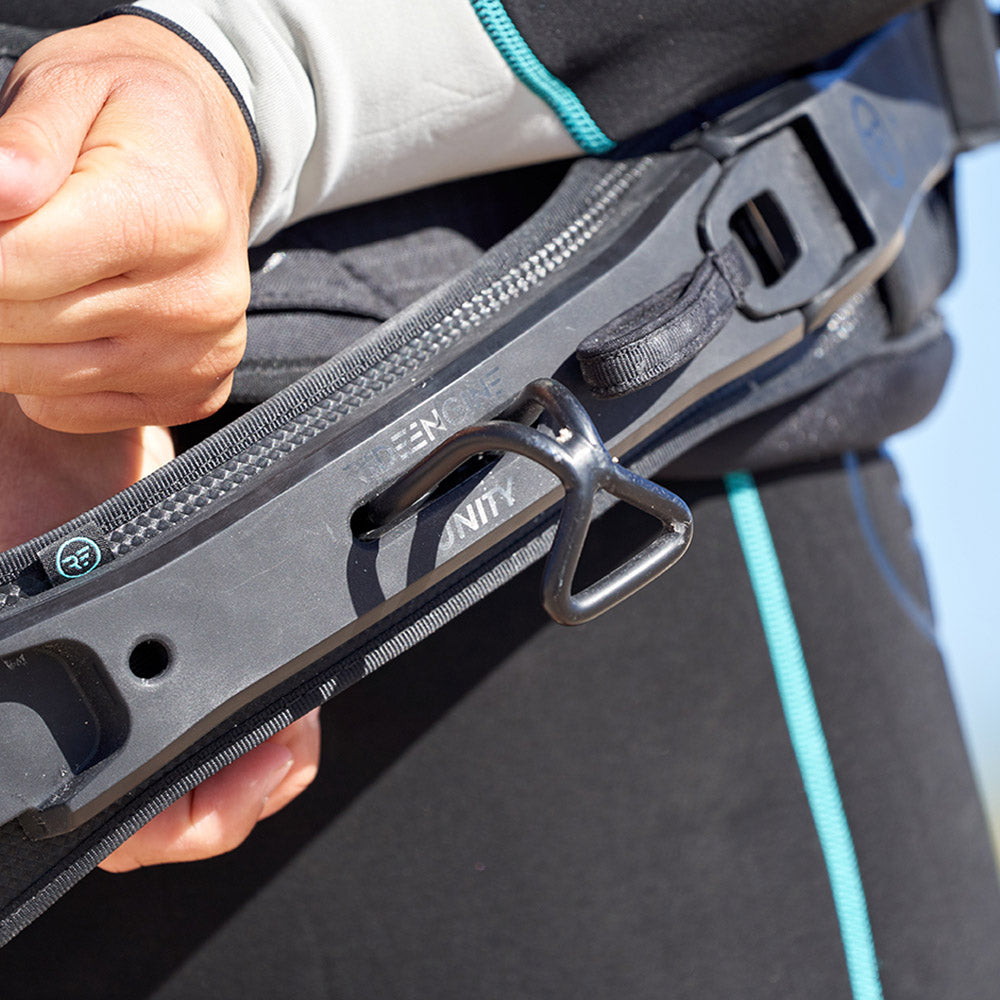
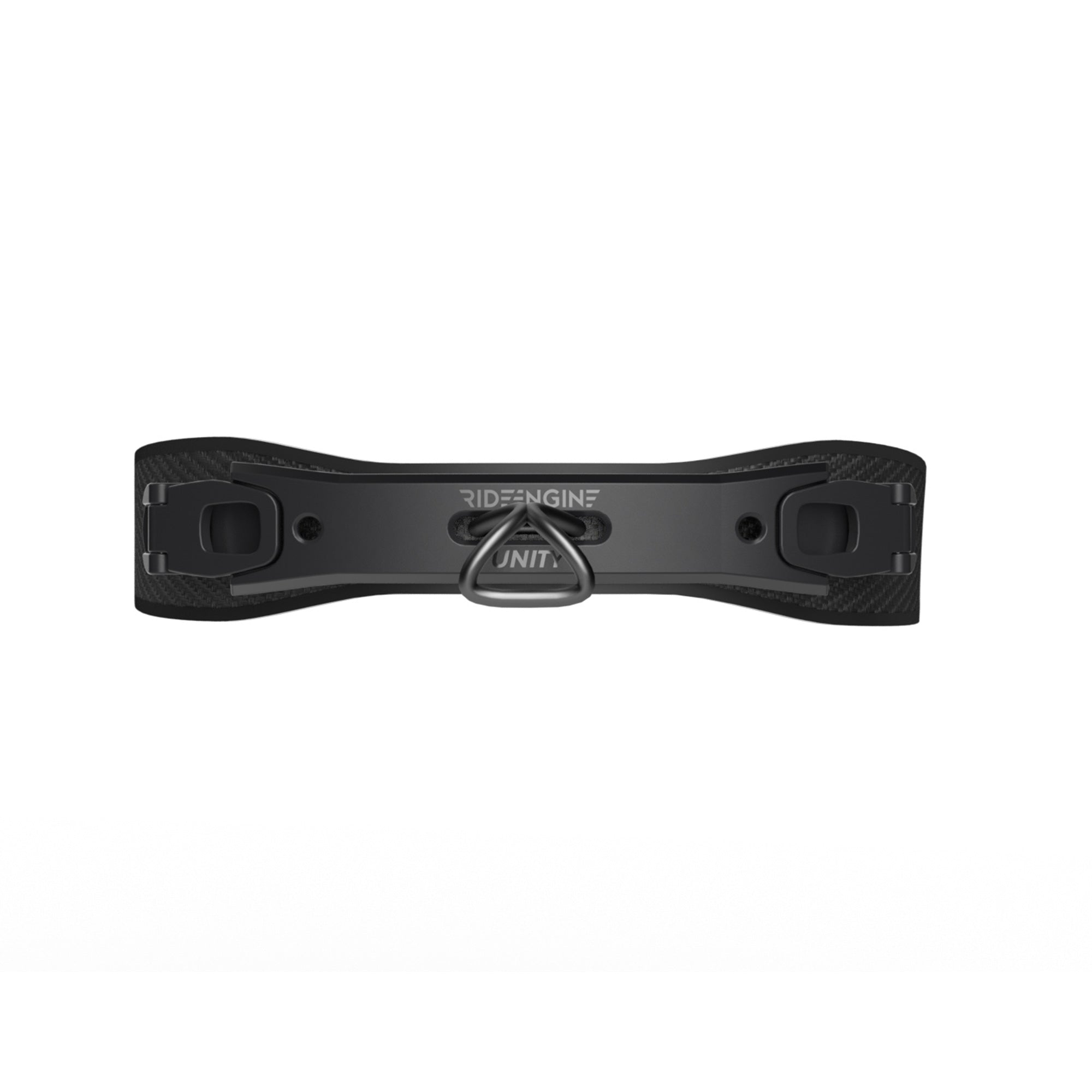
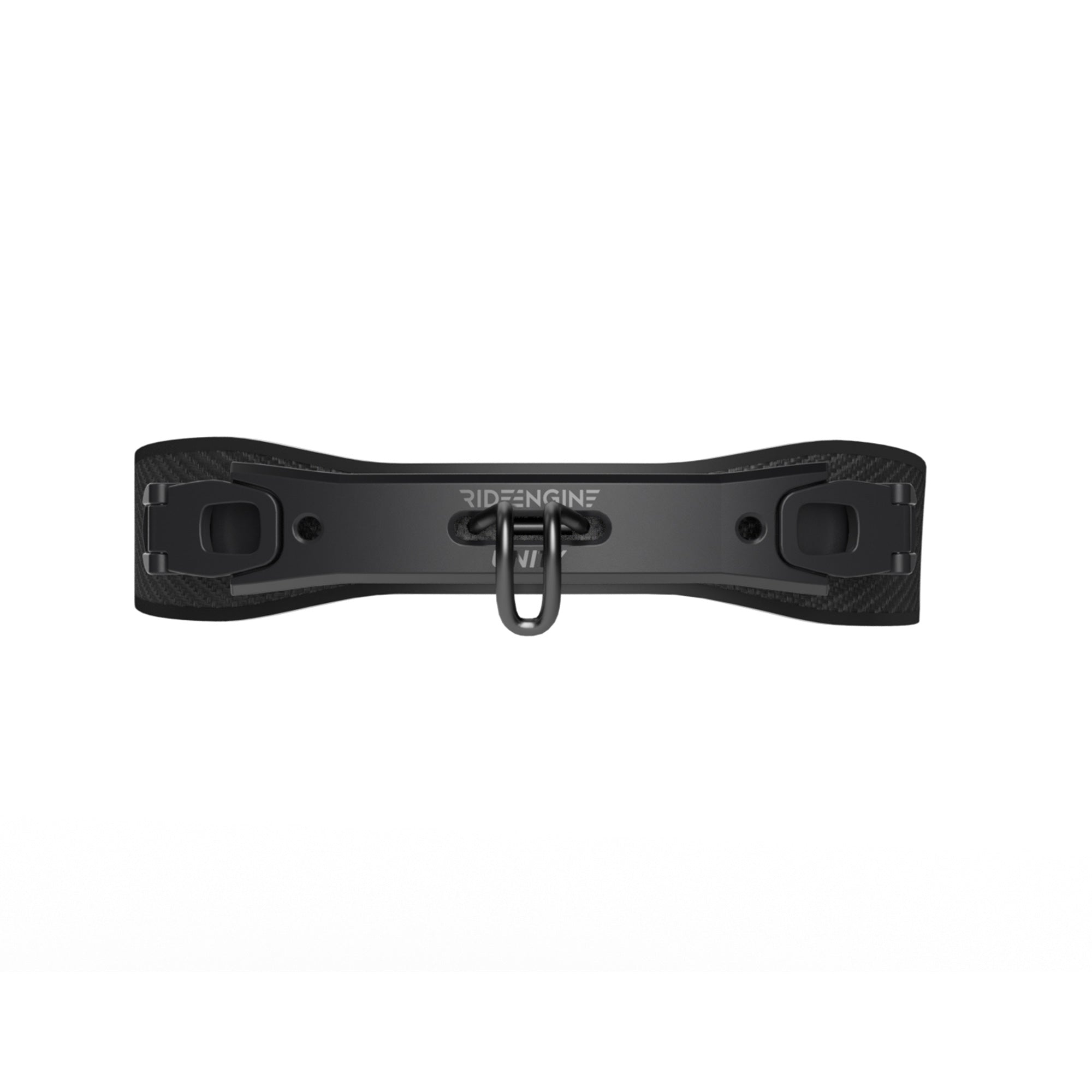
A closed metal loop replaces the open hook with a continuous metal connection point.
Instead of placing the chicken loop over an open hook, the kiteboarder activates the push-away safety release, passes the control system loop through the closed metal loop, and then correctly reassembles and resets the safety system.
Once connected, the chicken loop cannot simply lift or fall away from the harness connection. The closed geometry removes the open hook interface and greatly reduces the possibility of false hooking or accidental unhooking.
Ride Engine's Hyperlock Closed Metal Loop uses a precurved 8 millimeter stainless steel loop designed to work with common chicken loop geometries.
The primary advantage of a closed metal loop is connection security. There is no open side from which the chicken loop can unintentionally disconnect.
Advantages of a Closed Metal Loop
Because the control system is physically secured through a closed connection, the system can provide additional confidence during hard crashes, moments of kite slack, or when a rider is tumbled in the surf.
Connecting and disconnecting also requires the kiteboarder to activate, reassemble, and reset the primary safety release. This repeated process can build familiarity with how the system operates and creates an opportunity to confirm that the release moves freely and resets correctly before each session.
Best for:
- Big air kiteboarders who remain connected throughout the session
- Powered freeriding
- Wave riders who prioritize connection security
- Kite foiling with a secure centered connection
- Anyone who never intentionally unhooks
Important: A closed metal loop is not intended for conventional unhooked freestyle.
Potential Disadvantages
Connecting and disconnecting takes slightly more time than placing a chicken loop over an open hook. The control system must be reassembled correctly every time, following the control bar manufacturer's instructions.
The connection also remains centered, so it does not provide the rotational freedom of a full sliding rope.


The Sliding Rope Connection: Freedom Through Movement
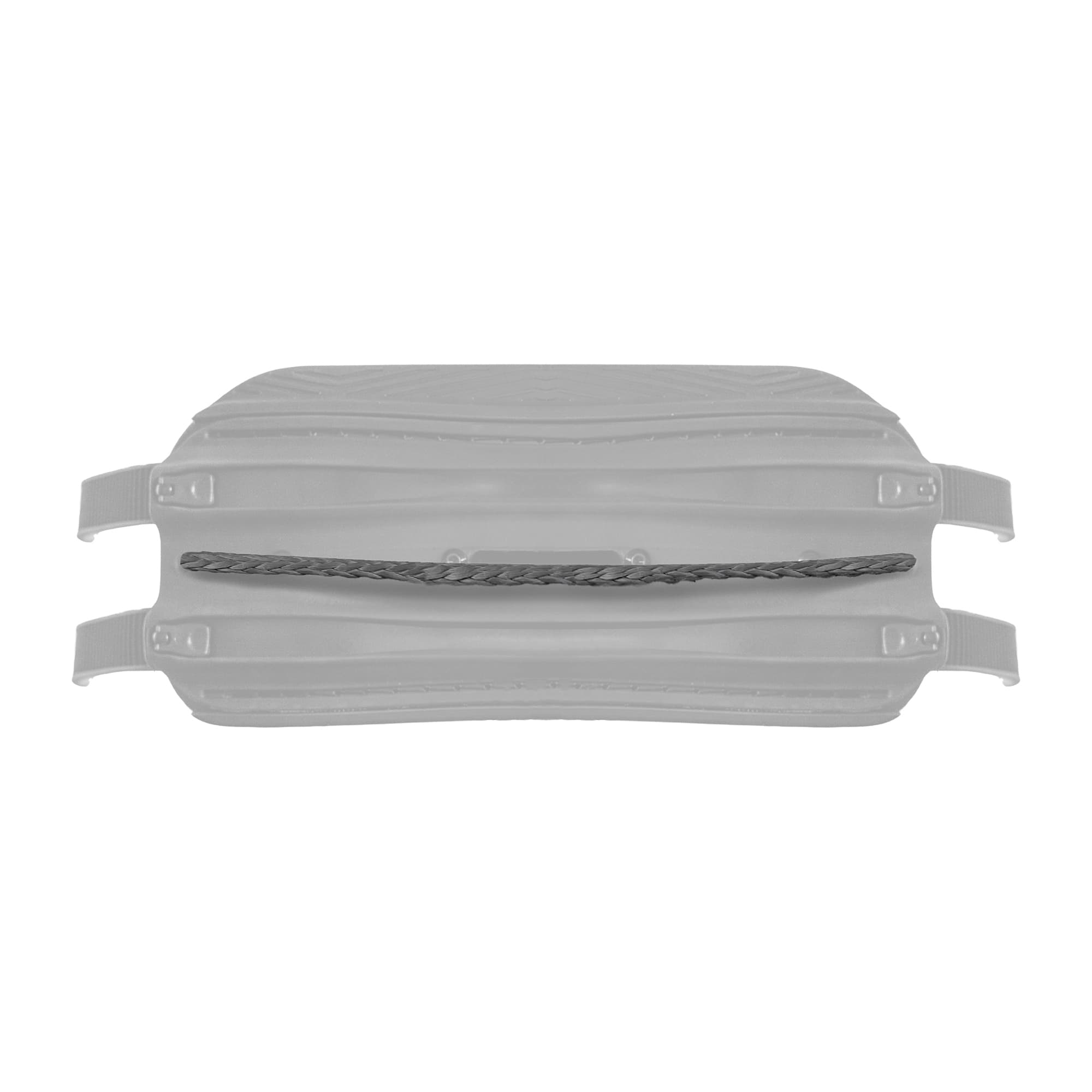
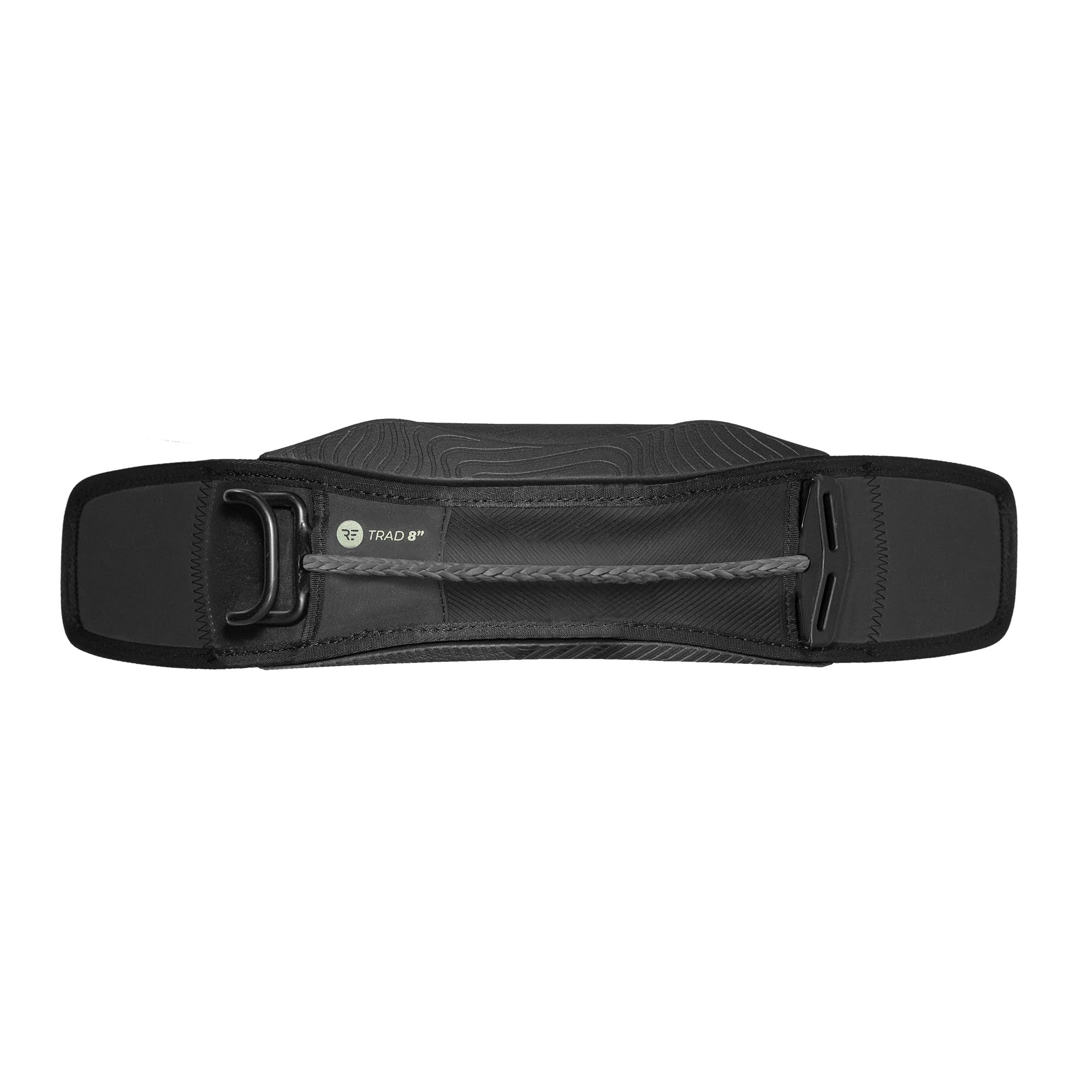
A sliding rope system replaces the fixed hook with a high-strength rope positioned across the front of the spreader bar.
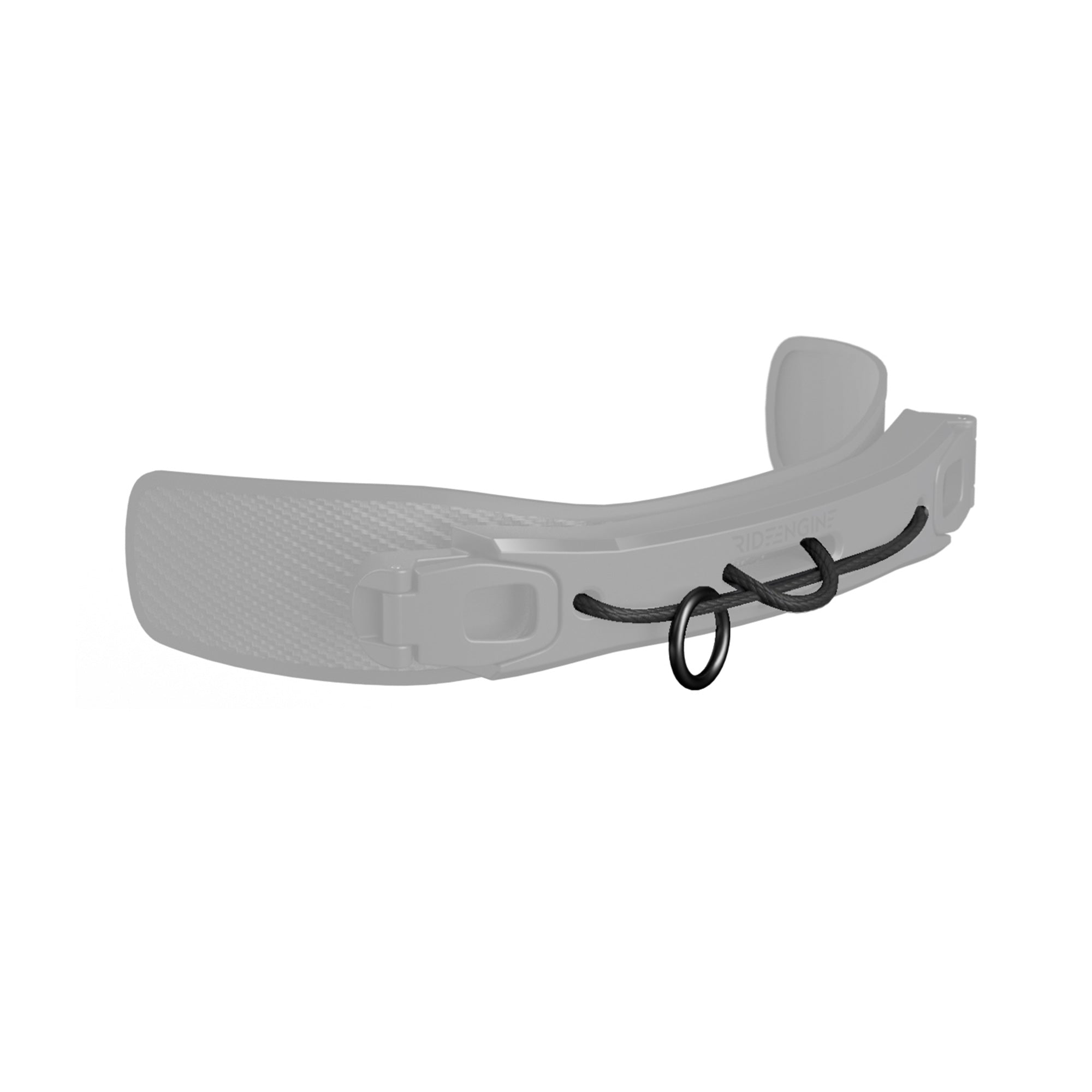
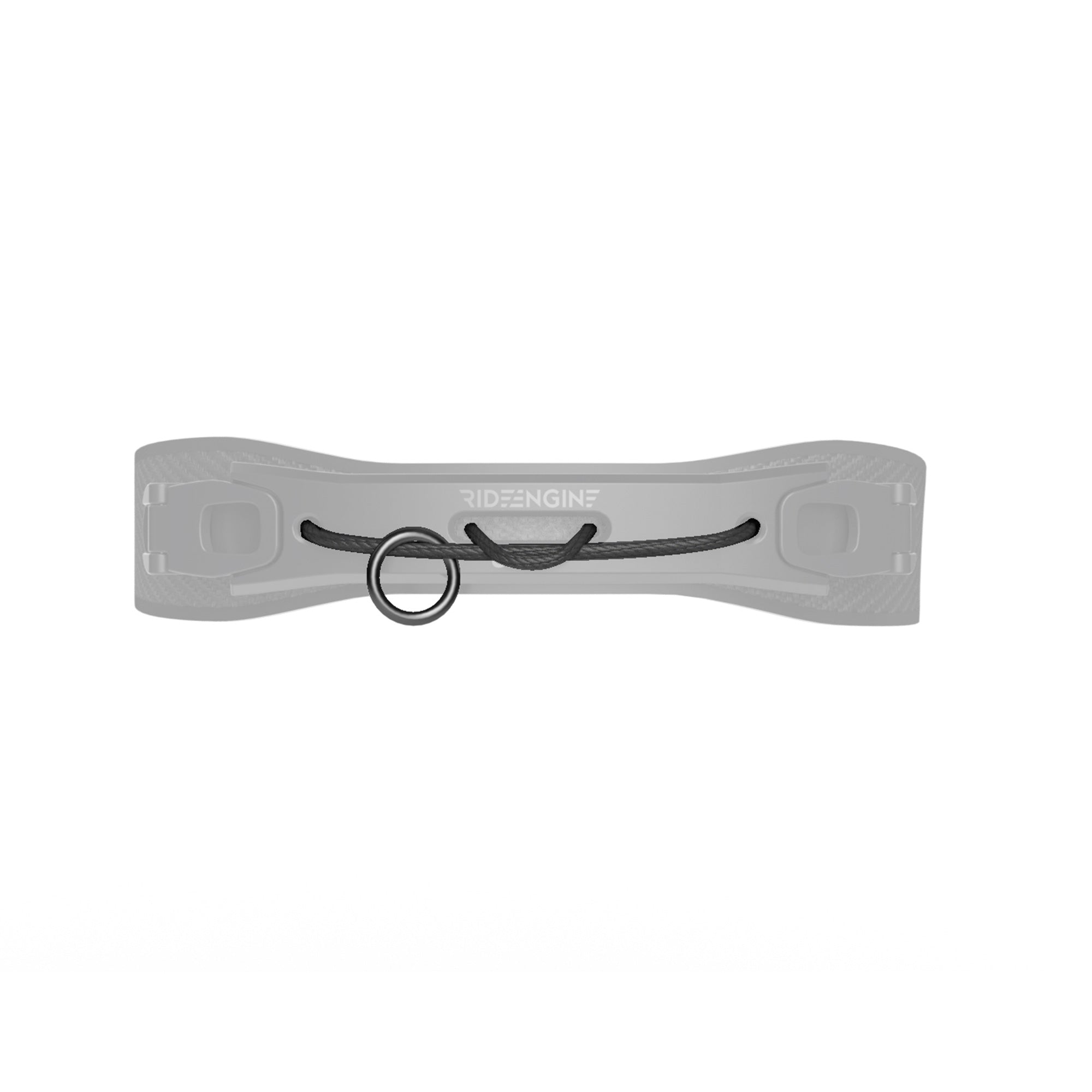
Depending on the configuration, the control system connects around the rope or through a smaller fixed rope loop known as a mini loop.
The full sliding configuration allows the kite connection to move from one side of the harness to the other. As the kiteboarder rotates into toe side, carves through a turn, or changes direction on a wave, the connection can travel toward the hip instead of forcing the body to rotate against a fixed center point.
Ride Engine rope conversion systems use Dyneema rope and can be configured with either a full slider or mini loop connection.
Advantages of a Full Sliding Rope
The greatest benefit is rotational freedom.
During a hard turn on a wave, the connection can move toward the leading hip. This allows the shoulders, hips, and board to align more naturally through the turn.
Toe-side riding can also feel easier because the body is not pulling against a connection that remains fixed in the middle of the harness. The reduced leverage can help limit spreader bar twisting and create a more fluid, less restricted sensation.
Best for:
- Wave riding
- Directional kiteboarding
- Hydrofoiling
- Fluid and movement-focused freeriding
- Anyone who feels restricted by a fixed connection
Potential Disadvantages
A rope is a wear component. Friction from the chicken loop, sand, salt, and repeated loading can gradually damage the rope.
Its condition should be inspected before every session and the rope should be replaced at the first sign of meaningful wear, flattening, cuts, damaged fibers, or deterioration.
The moving connection can also feel less direct. Kiteboarders accustomed to a fixed hook may initially feel that the kite is moving independently across the front of the harness.
For those focused on powered jumping, the lateral movement may feel less stable than a centered hook or closed metal loop. A full slider is also not intended for conventional unhooked freestyle.

The Mini Rope Loop: A Balance of Security and Movement
The mini loop offers a middle ground between a fixed metal connection and a full sliding rope.
Rather than allowing the connection to travel across the entire spreader bar, the chicken loop is secured through a compact rope loop. The rope can articulate and change angle under load, but the connection remains relatively centered.
This provides more freedom than a rigid fixed hook or closed metal loop without creating the full side-to-side travel of a sliding ring.
Advantages of the Mini Loop
The mini loop creates a closed and secure connection while allowing the chicken loop and harness connection to move more naturally in relation to one another.
This can reduce binding as the kite changes position in the window or as the kiteboarder adjusts stance. It provides some rotational freedom while retaining a predictable central connection.
Because there is no open hook, it also reduces the risk of false hooking or accidental unhooking.
Best for:
- Hydrofoiling
- Freeriding
- Kiteboarders transitioning from a fixed hook
- Riders who want security without full lateral travel
Potential Disadvantages
Like the full sliding system, the mini loop is a wear component and requires regular inspection.
It does not provide enough movement for riders specifically seeking the unrestricted hip rotation of a full rope slider. It is also not appropriate for conventional unhooked freestyle.


Which Kite Connection Is Right for You?
The best connection depends on what you do most often and how you want the kite to feel through the harness.
Fixed Kite Hook
Choose this when unhooked freestyle is part of your riding, when you want the most direct traditional connection, or when fast connection and disconnection are priorities.
Closed Metal Loop
Choose this when maximum connection security is the priority, you never intentionally unhook, and you prefer the kite to remain in a fixed central position.
Full Sliding Rope
Choose this when body rotation, toe-side comfort, wave riding, and directional freedom matter more than a locked-in connection.
Mini Rope Loop
Choose this when you want the security of a closed connection, some additional articulation, and a more centered feel than a full slider.
Matching the Connection to Your Discipline
Big air: The decision often comes down to the fixed hook or closed metal loop. The fixed hook provides the traditional direct connection, while the closed metal loop provides additional security for riders who never need to unhook.
Wave riding: A full sliding rope generally provides the greatest freedom, although a closed metal loop may appeal to someone who prioritizes connection security.
Hydrofoiling: Both the full slider and mini loop can work well. The full slider offers maximum freedom, while the mini loop creates a more controlled and centered connection.
General freeriding: All options are valid. The choice is largely about whether you prefer direct feedback, maximum security, or increased movement.

Connection Choice Is Only Part of the System
A harness connection should never be considered independently from the rest of the kite system.
Harness fit, chicken loop condition, rope condition, safety release operation, and correct assembly all contribute to a reliable connection.
Before Every Session
- Confirm that the connection is assembled correctly.
- Activate and test the primary safety release in an appropriate controlled environment.
- Inspect metal components for bending, cracking, corrosion, or sharp edges.
- Inspect rope components for wear, cuts, flattening, or damaged fibers.
- Confirm that the chicken loop and retaining system are functioning correctly.
- Follow the control bar and harness manufacturer's instructions.
No connection system eliminates the need for proper training, equipment inspection, responsible kite handling, and regular safety practice.
One Harness, Different Ways to Connect
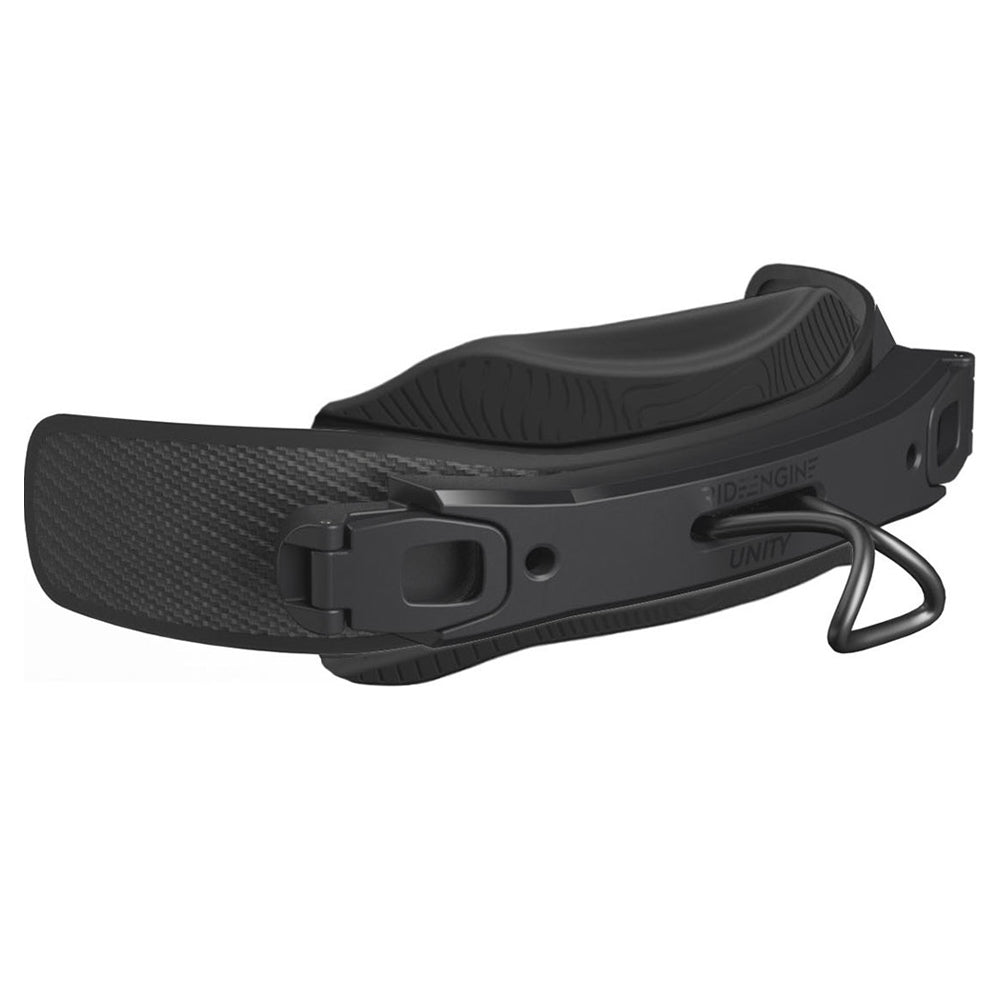
A major advantage of the Ride Engine Hyperlock system is the ability to maintain multiple spreader bar configurations and change between them quickly.
The Hyperlock interface makes it easy to remove and install a spreader bar without rebuilding the harness setup, allowing you to alternate between a fixed hook, closed metal loop, full sliding rope, or mini loop configuration.
This gives a single harness far greater versatility and allows the setup to be matched to the specific demands of big air, freestyle, wave riding, freeriding, or hydrofoiling.

Choose the Connection That Matches Your Riding
The traditional fixed kite hook remains the familiar standard, but it is no longer the only option.
A closed metal loop provides an exceptionally secure fixed attachment. A sliding rope creates greater freedom for directional riding, wave riding, and foiling. The mini loop combines the security of a closed system with controlled articulation and a more centered feel.
The goal is not to identify one option as universally better. It is to choose the connection geometry that best complements how you kiteboard.
When your harness, spreader bar, and control system work together correctly, the connection becomes something you no longer have to think about. You can focus on the kite, the conditions, and the next move.
```